LLOS.ai / Auto Glossary / Emissions / Catalytic Converter
Emissions Mechanic

Catalytic Converter

Language:

Coming soon in Punjabi & Tamil

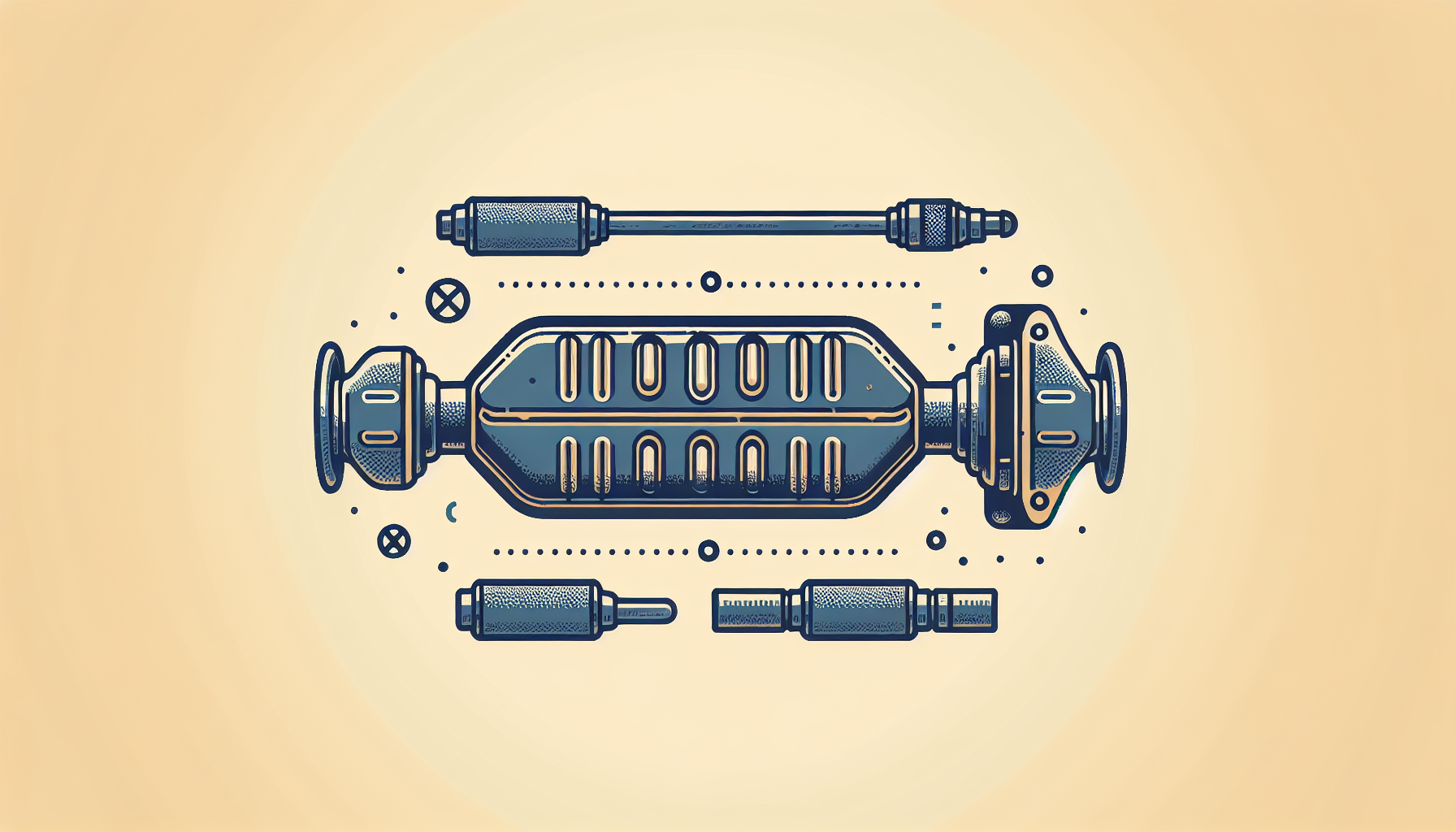
Illustration: catalytic-converter

Common Meaning

This part cleans exhaust gases from your car, reducing pollution. It uses special metals to convert harmful gases into less harmful ones before they exit the tailpipe.

Strict Definition

A catalytic converter is an exhaust emission control device that reduces toxic gases and pollutants in exhaust gas from an internal combustion engine into less-toxic substances.

The Human Perspective

Catalytic Converter: What it is: A device in your car's exhaust system that reduces harmful emissions.

What it feels like — You won't feel it directly, but a healthy converter means cleaner air.

What increases/affects it — Age, overheating, contamination from oil or coolant leaks, and physical damage all affect its performance. A failing converter can cause poor performance and a check engine light.

उत्प्रेरक कनवर्टर: यह क्या है: आपकी कार के निकास प्रणाली में एक उपकरण जो हानिकारक उत्सर्जन को कम करता है।

यह कैसा लगता है: आप इसे सीधे महसूस नहीं करेंगे, लेकिन एक स्वस्थ कनवर्टर का मतलब है स्वच्छ हवा।

इसे क्या बढ़ाता/प्रभावित करता है: उम्र, ज़्यादा गरम होना, तेल या शीतलक रिसाव से संदूषण, और भौतिक क्षति सभी इसके प्रदर्शन को प्रभावित करते हैं।

एक विफल कनवर्टर खराब प्रदर्शन और चेक इंजन लाइट का कारण बन सकता है।

Concepts You Need First

Exhaust System

The system that carries exhaust gases away from the engine.

Emissions

Harmful gases released by a vehicle.

Internal Combustion Engine

An engine that burns fuel inside cylinders.

Air-Fuel Ratio

The ratio of air to fuel in the engine.

Oxygen Sensor

A sensor that measures oxygen levels in the exhaust.

Fuel Injector

A device that sprays fuel into the engine.

Misfire

When combustion doesn't happen properly in a cylinder.

Engine Control Unit (ECU)

The car's computer that controls engine functions.

Tailpipe

The end of the exhaust system where gases exit.

Why It Matters

A functioning catalytic converter is crucial for passing emissions tests and reducing your car's environmental impact. If it fails, replace it promptly to avoid fines and improve air quality.

Related Terms

Quick Check

Listen

Alright, let's break down what a catalytic converter is. Think of it as a crucial component in your car's exhaust system, kind of like a pollution-fighting superhero.

Its main job is to reduce harmful emissions from your engine before they're released into the environment.

Inside, it's got a special honeycomb structure coated with catalysts like platinum, palladium, and rhodium.

These catalysts help convert nasty stuff like carbon monoxide, hydrocarbons, and nitrogen oxides into less harmful substances like carbon dioxide, water, and nitrogen.

Over time, catalytic converters can wear out or get clogged, especially if your engine isn't running efficiently.

When that happens, you might notice reduced engine performance, poor fuel economy, or even a failed emissions test.

Regular maintenance and addressing engine issues promptly can help prolong the life of your catalytic converter and keep your car running cleaner.

ठीक है, चलो समझते हैं कि कैटालिटिक कन्वर्टर क्या होता है। इसे अपनी गाड़ी के एग्जॉस्ट सिस्टम में एक महत्वपूर्ण घटक के रूप में सोचें, जो प्रदूषण से लड़ने वाले सुपरहीरो की तरह है।

इसका मुख्य काम आपके इंजन से निकलने वाले हानिकारक उत्सर्जन को पर्यावरण में छोड़ने से पहले कम करना है।

अंदर, इसमें प्लैटिनम, पैलेडियम और रोडियम जैसे उत्प्रेरकों के साथ लेपित एक विशेष मधुकोश संरचना होती है।

ये उत्प्रेरक कार्बन मोनोऑक्साइड, हाइड्रोकार्बन और नाइट्रोजन ऑक्साइड जैसे हानिकारक पदार्थों को कार्बन डाइऑक्साइड, पानी और नाइट्रोजन जैसे कम हानिकारक पदार्थों में बदलने में मदद करते हैं।

समय के साथ, कैटालिटिक कन्वर्टर खराब हो सकते हैं या बंद हो सकते हैं, खासकर अगर आपका इंजन कुशलता से नहीं चल रहा है।

जब ऐसा होता है, तो आप इंजन के प्रदर्शन में कमी, खराब ईंधन अर्थव्यवस्था या यहां तक कि विफल उत्सर्जन परीक्षण देख सकते हैं।

नियमित रखरखाव और इंजन के मुद्दों को तुरंत संबोधित करने से आपके कैटालिटिक कन्वर्टर के जीवन को बढ़ाने और आपकी गाड़ी को साफ चलाने में मदद मिल सकती है।

Answers You Need

What is the main purpose of a catalytic converter in my car?
The primary purpose of a catalytic converter is to reduce harmful emissions from your vehicle's exhaust. It converts pollutants like carbon monoxide, hydrocarbons, and nitrogen oxides into less harmful substances such as carbon dioxide, water, and nitrogen, helping to protect the environment.
How can I tell if my catalytic converter is failing?
Several signs can indicate a failing catalytic converter. These include reduced engine performance, poor fuel economy, a rattling noise from underneath the car, a failed emissions test, or the 'check engine' light illuminating on your dashboard. A professional inspection can confirm the issue.
Can driving with a bad catalytic converter damage my car?
Yes, driving with a failing catalytic converter can cause further damage to your car. It can lead to reduced engine performance, overheating, and even damage to other components in the exhaust system. It's best to address the issue promptly to prevent further problems.
Are there any ways to extend the life of my catalytic converter?
Yes, proper maintenance can help extend the life of your catalytic converter. Ensure your engine is running efficiently by performing regular tune-ups, addressing any engine issues promptly, and avoiding excessive idling. Also, use high-quality fuel and avoid running the car with a misfiring engine.
How much does it typically cost to replace a catalytic converter?
The cost to replace a catalytic converter can vary depending on the make and model of your vehicle, as well as the type of converter required. Generally, you can expect to pay anywhere from ₹5,000 to ₹25,000 or more for the replacement, including parts and labor.
What tests can I perform to diagnose a potentially failing catalytic converter?
Several tests can help diagnose a failing catalytic converter. These include a visual inspection for damage, checking for exhaust leaks, using a backpressure test to measure exhaust flow restriction, and analyzing oxygen sensor readings before and after the converter with a scan tool to assess its efficiency.
What are the common causes of catalytic converter failure?
Common causes of catalytic converter failure include engine misfires, oil leaks, coolant leaks, and contaminated fuel. These issues can cause the converter to overheat and become clogged, reducing its efficiency. Physical damage from road debris can also lead to failure.