Overview
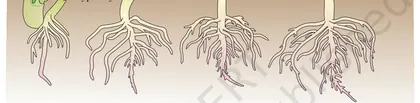
Introduction: Plant Growth and Development (Class 11, NCERT) explains how plants increase in size and change form and function throughout their life cycles. The chapter distinguishes between growth (irreversible increase in size/mass) and development (series of changes including growth, differentiation, morphogenesis, flowering and senescence) and links cellular processes to whole-plant behaviour. Importance: Understanding plant growth and development is fundamental for agriculture, horticulture, forestry and biotechnology. Knowledge of meristems, growth regulators, photoperiodism, dormancy and germination helps in crop improvement, propagation, controlling flowering time, improving yields and managing plant responses to environment. Key themes: - Definitions and measurement of growth: absolute, relative and specific growth rates; growth curves (lag, exponential/log, stationary) - Cellular basis of growth: cell division (mitosis), cell expansion and cell differentiation; concepts of dedifferentiation and redifferentiation - Meristems: types (apical, lateral, intercalary), structure and role in primary and secondary growth - Plant growth regulators (phytohormones): auxins,…
Learning Objectives
- Define growth and development and differentiate between them in the context of plants
- Explain primary and secondary growth with reference to apical and lateral meristems and examples
- Describe the phases of growth (cell division, elongation, maturation) and their occurrence in plant organs
- Identify types of meristems (apical, intercalary, lateral) and state their locations and functions
- Differentiate between differentiation, dedifferentiation and redifferentiation with appropriate examples
- Apply methods of measuring growth (absolute growth, relative growth rate, and growth indices) to given data
- Interpret a sigmoid growth curve and relate its phases to physiological events in plants
- Explain the site, mode of action and physiological effects of major plant hormones: auxin, gibberellin, cytokinin, ethylene and abscisic acid
Topics in this chapter
13 topics · tap a topic title to jump straight to it.
Growth: definition and characteristics
Definition: Growth is a permanent, irreversible and progressive increase in size, mass, volume or number of cells of an organism or part of an organism. In plants growth results from cell division, cell enlargement and cell differentiation occurring mainly in meristems.
What is measured: Length, area, volume, fresh weight, dry weight (biomass), number of cells or number of organs (e.g., leaves).
Key processes that produce growth:
- Cell division (mitosis) in meristems — increases cell number.
- Cell enlargement/expansion — increases cell volume (often major contributor to plant growth).
- Cell differentiation and maturation — qualitative change producing tissues and organs (part of development).
Characteristics of growth:
- Irreversible: Once growth has occurred it cannot be reversed to the previous size.
- Permanent: Results in lasting structural change.
- Quantitative: Can be measured (length, biomass, cell number).
- Qualitative: Accompanied by differentiation and development (forming specialized cells/tissues).
- Localized: In plants, growth is localized to meristems (apical, intercalary, lateral).
- Directional: Growth has direction (e.g., apical growth of roots and shoots, radial growth from cambium).
- Variable rates: Rate of growth changes with age and conditions — not constant.
- Pattern types: Arithmetic (linear), geometric (exponential) and sigmoid (S-shaped) growth patterns occur.
- Determinacy: Organs are often determinate (e.g., leaves), whole plants may be indeterminate (continuous apical growth).
- Regulated: Controlled by genetic factors and environmental influences (light, water, nutrients, hormones).
Growth versus Development: Growth is a quantitative increase (size/number) while development is the sequence of qualitative changes (differentiation, morphogenesis, maturation). Both are integrated.
Practical measurement: Commonly measured as change in dry weight over time (absolute growth rate) or as relative growth rate (per unit mass or per unit time) to compare growth efficiency.
- Elongation of stem internodes after a period of vegetative growth (cell division at shoot apical meristem followed by cell elongation).
- Increase in dry weight of a seedling during germination — measurable biomass increase (typical sigmoid pattern).
- Secondary (radial) growth in woody plants — formation of annual rings from cambial activity (visible yearly increase in stem girth).
- Rapid multiplication of bacteria in culture — geometric (exponential) growth under ideal conditions (doubling each generation).
- Formation of new leaves and branches by perennial plants showing indeterminate growth (continuous production of modules).
- Absolute Growth Rate (AGR) = (W2 − W1) / (t2 − t1), where W = size or weight at times t1 and t2 (units: g day⁻¹ or mm day⁻¹).
- Relative Growth Rate (RGR) = (ln W2 − ln W1) / (t2 − t1) or RGR = (1/W) · (dW/dt) (units: day⁻¹).
- Arithmetic growth (linear): Wt = W0 + k·t, where k is constant absolute increase per unit time.
- Geometric (discrete) growth: Wn = W0 · r^n, where r is multiplication factor per unit period (e.g., r = 2 for doubling).
- \[Exponential (continuous) growth: W(t) = W0 · e^{k·t}\]\[where k is the growth constant\]\[doubling time t_d = ln(2)/k.\]
Measurement and analysis of growth
Growth in plants is an irreversible increase in size and mass resulting from cell division and expansion. Measurement and analysis of growth quantify how fast and in what pattern a plant (or plant part) increases over time. Accurate measurement requires choosing a suitable growth parameter (length, area or mass), a sampling method (destructive or non‑destructive) and appropriate time intervals.
Common parameters and methods
- Linear measurements: length of root, shoot or organ; useful for apical growth (measured with ruler, calipers).
- Area measurements: leaf area (planimeter, leaf-area meter, graph paper method); used for photosynthetic surface and LAI estimates.
- Biomass (mass): fresh weight and dry weight (oven-dried to constant mass) — most common for whole-plant growth studies (usually destructive sampling).
- Cellular measurements: cell number and cell size (microscopy) to distinguish growth by division vs expansion.
- Non-destructive methods: repeated measures of the same plant (height, leaf count, image analysis).
Sampling design and sources of error: use replicates, randomization and consistent time intervals. Destructive sampling requires multiple identical plants; non‑destructive sampling reduces variance but may disturb plants. Control environment (light, water, nutrients, temperature) since growth is highly responsive to conditions.
Growth patterns and their interpretation
- Plant growth over time typically follows a sigmoid (S‑shaped) curve with four phases: lag (slow), exponential/log (rapid), deceleration (slowing), and stationary (plateau).
- Different analysis transforms highlight different aspects: plotting mass vs time shows the overall S-curve; plotting ln(mass) vs time is linear during the exponential phase — useful for estimating relative growth rate.
Derived growth rates and indices (used to compare plants or treatments):
- Absolute Growth Rate (AGR): increase in size or mass per unit time. Useful to know how much biomass is added each day.
- Relative Growth Rate (RGR): rate of increase per unit existing biomass (a measure of efficiency). During exponential growth, RGR is constant.
- Crop Growth Rate (CGR): biomass produced per unit ground area per unit time (important in agronomy).
- Specific Leaf Area (SLA) and Leaf Area Ratio (LAR): link leaf area to dry mass and show how leafiness contributes to whole‑plant growth.
Practical uses: breeders and agronomists use RGR and CGR to select high-performing genotypes, horticulturists monitor nursery growth, ecologists compare species’ strategies (fast vs slow growers), and farmers use growth analysis to schedule fertilizer and irrigation.
- Seedling biomass example: A pot experiment measures dry mass of identical seedlings. At day 0 average dry mass W1 = 10 g; at day 10 average dry mass W2 = 40 g. AGR = (40 - 10)/10 = 3 g day^-1. RGR = (ln 40 - ln 10)/(10) = (3.6889 - 2.3026)/10 = 0.138 day^-1. Doubling time = ln(2)/RGR = 0.693/0.138 ≈ 5.0 days.
- Leaf-area monitoring: A horticulturist measures leaf area weekly with a leaf-area meter to calculate SLA = leaf area (cm^2) / leaf dry mass (g). High SLA indicates thinner leaves; a nursery may select varieties with desired SLA for shade tolerance.
- Agronomy (CGR): A wheat plot yields W1 = 150 g m^-2 at day 30 and W2 = 1150 g m^-2 at day 60. CGR = (1150 - 150)/(60 - 30) = 1000/30 ≈ 33.3 g m^-2 day^-1; this helps compare cultivars and management practices.
- Absolute Growth Rate (AGR) = (W2 - W1) / (t2 - t1) [units: mass · time^-1, e.g., g day^-1]
- Relative Growth Rate (discrete) (RGR) = (ln W2 - ln W1) / (t2 - t1) [units: time^-1, e.g., day^-1]
- Relative Growth Rate (instantaneous) = (1/W) · (dW/dt) [differential form]
- Percentage growth over interval = ((W2 - W1) / W1) × 100 %
- Doubling time (Td) = ln(2) / RGR [time units]
- Crop Growth Rate (CGR) = (W2 - W1) / ((t2 - t1) × ground area) [e.g., g m^-2 day^-1]
Meristems and growth zones
Definition: Meristems are regions of actively dividing, undifferentiated cells (meristematic cells) that produce new cells for growth. Growth zones in roots and shoots are spatial regions where division, elongation and differentiation occur.
Characteristics of meristematic cells: small cells with thin primary walls; dense cytoplasm and large nucleus; little or no vacuole; high mitotic activity; ability to remain undifferentiated and to produce new tissues.
Classification (by position):
- Apical meristems — found at shoot and root tips; responsible for primary growth (increase in length). Primary meristems derived from apical meristems: protoderm (forms epidermis), ground meristem (forms cortex and pith), procambium (forms primary xylem and phloem).
- Intercalary meristems — located at internodes or leaf bases (common in grasses and some monocots); allow rapid elongation and regrowth after damage (mowing, grazing).
- Lateral meristems — include vascular cambium and cork cambium (phellogen); responsible for secondary growth (increase in girth) in dicots and gymnosperms.
Root and shoot apex: growth zones:
- Root tip zones (from tip upward): root cap (protection, secretion of mucilage), meristematic zone (zone of cell division; contains quiescent centre — region of slowly dividing cells that can replace damaged meristem), zone of elongation (cells increase in length, pushing root tip forward), zone of maturation/differentiation (cells differentiate into root hairs, xylem, phloem, cortex).
- Shoot apical meristem zones: central zone (stem cells, low division), peripheral zone (gives rise to leaf primordia), and rib zone (contributes to stem tissues). Above these, leaf primordia and young leaves differentiate.
Secondary growth: Vascular cambium forms a continuous cylinder in stems and roots of woody plants; it produces secondary xylem (wood) toward inside and secondary phloem toward outside. Cork cambium produces periderm (protective outer layer). Repeated activity produces annual rings (in temperate trees) and increases stem/root diameter.
Physiological sequence of growth: cell division (mitosis) in meristems → cell enlargement (water uptake, cell wall loosening) → cell differentiation and maturation. Growth is irreversible increase in size and dry mass.
Practical significance: understanding meristems helps in vegetative propagation (cuttings, grafting), pruning (removal of apical meristem breaks apical dominance and stimulates axillary buds), agriculture (regrowth in grasses due to intercalary meristems), and forestry (managing secondary growth for timber).
- Intercalary meristems in grasses (wheat, maize, bamboo) allow rapid regrowth after mowing or grazing — explains why lawns regrow from the base.
- Vascular cambium activity in dicot trees (oak, mango) produces secondary xylem yearly, forming visible annual rings used to estimate tree age.
- Shoot apical meristem produces leaf primordia and floral meristems; removal of the apical bud (pinching) promotes bushier growth by releasing axillary buds from apical dominance.
- Root apical meristem with quiescent centre protects the meristem and provides cells to replace damaged ones when roots are injured.
- Absolute Growth Rate (AGR) = (W2 - W1) / (t2 - t1), where W1 and W2 are plant weights (dry mass) at times t1 and t2 respectively.
- Relative Growth Rate (RGR) = (ln W2 - ln W1) / (t2 - t1). RGR has units time^-1 and expresses growth per unit mass.
- Percentage Growth Rate per day = [ (W2 - W1) / W1 ] × 100 / (t2 - t1).
Cell division, enlargement and differentiation
Overview
Plant growth and development at the cellular level involve three linked processes: cell division (production of new cells), cell enlargement (increase in cell volume), and cell differentiation (specialization of cells to perform specific functions). These processes occur mainly in meristematic regions and are regulated by plant hormones, environmental cues and genetic control.
1. Cell division
Where it occurs: Meristems — apical meristems (root and shoot tips) for primary growth, lateral meristems (vascular cambium and cork cambium) for secondary growth, and intercalary meristems (at bases of leaves or internodes in monocots).
How it occurs: Most mitotic cell divisions in plants follow the eukaryotic cell cycle (G1 → S → G2 → M). Mitosis (M phase) is subdivided into prophase, metaphase, anaphase and telophase, followed by cytokinesis (cell plate formation in plant cells).
Significance: Increases cell number, provides cells for growth and differentiation, contributes to organ formation and repair.
Key points of regulation
- Cell cycle checkpoints (G1/S and G2/M) ensure DNA integrity and proper conditions for division.
- Mitotic index (a diagnostic measure) estimates the proportion of cells undergoing mitosis.
2. Cell enlargement (expansion)
Mechanism: Cell enlargement in plants is mainly due to vacuole enlargement by osmotically driven water uptake and loosening of the cell wall to allow expansion. Important steps:
- Accumulation of solutes (e.g., K+, organic acids) lowers cell osmotic potential.
- Water enters by osmosis; turgor pressure increases.
- Cell wall loosening by enzymes (expansins, cellulases, pectinases) and incorporation of new wall material allows irreversible expansion.
Hormonal control: Auxins (IAA) stimulate cell wall loosening and proton pump activity (acid-growth hypothesis); gibberellins also promote cell elongation.
Importance: Cell enlargement accounts for a large part of plant growth (size increase) after cell division provides new cells.
3. Cell differentiation
Definition: Process by which similar daughter cells become structurally and functionally distinct (forming tissues like xylem, phloem, epidermis, parenchyma).
Mechanisms: Differential gene expression, positional information (signals from neighboring cells), hormonal gradients (auxin, cytokinin), and environmental signals determine fate.
Examples of differentiation events: Lignification and programmed cell death to form mature xylem vessels and tracheids; formation of root hairs from epidermal cells; stomatal guard cell differentiation.
Integration of the three processes
In root apices and shoot tips there is a spatial organization: zone of cell division (meristem), zone of elongation (cells enlarge), and zone of differentiation (cells mature into tissues). Proper timing and coordination (e.g., balance of auxin and cytokinin) are required for normal organogenesis and responses such as wound healing or organ regeneration.
Special phenomena
- Secondary growth: Lateral meristems (vascular cambium) divide to produce secondary xylem (wood) and phloem — causes increase in girth and formation of growth rings.
- Dedifferentiation and redifferentiation: Some mature plant cells can dedifferentiate (become meristematic) — basis of callus formation and plant tissue culture; then redifferentiate to form organs.
- Programmed cell death (PCD): Essential in xylem maturation and aerenchyma formation.
Controls and signals
Major hormones: auxins, cytokinins, gibberellins, ethylene, abscisic acid. Nutrients, light, temperature and water availability also influence cell division, expansion and differentiation.
Practical importance: Understanding these processes underlies agriculture and horticulture practices — pruning, use of growth regulators, tissue culture, grafting, improving yield by manipulating cell division and enlargement (fruit size, stem thickness).
- Root apical meristem: cells divide in the meristematic zone, then move to the elongation zone to increase in length, and finally differentiate into root tissues (xylem, phloem, cortex, root hairs).
- Vascular cambium activity in trees: repeated cell division and differentiation produce secondary xylem (wood) and secondary phloem — visible as annual rings (secondary growth).
- Callus formation and regeneration: wounded tissue or explants in tissue culture dedifferentiate to form a callus (meristematic), then redifferentiate to form shoots and roots under appropriate auxin/cytokinin ratios.
- Fruit growth: early fruit development involves both cell division and expansion — e.g., apple fruit size depends on number of cells formed (division) and subsequent enlargement.
- Cotton fibre elongation: individual epidermal cells elongate dramatically (cell expansion) to form long fibres used in textiles.
- Mitotic index (MI) = (Number of cells in mitosis / Total number of observed cells) × 100
- Absolute Growth Rate (AGR) = (W2 − W1) / (t2 − t1) — where W is size (mass, length) at times t1 and t2
- Relative Growth Rate (RGR) = (ln W2 − ln W1) / (t2 − t1) — growth per unit size per unit time
- Percentage increase (%) = ((W2 − W1) / W1) × 100
- Cell population doubling (exponential growth) Nt = N0 × 2^(t/td) — Nt: cells at time t, N0: initial cells, td: doubling time
Seed structure and germination
1. Overview
A seed is a matured ovule that contains a young plant (embryo) and stored food, protected by a seed coat. Germination is the sequence of events by which a seed resumes metabolic activity, grows and produces a seedling when environmental conditions are favourable.
2. Structure of a typical dicot seed (e.g., pea/bean)
- Testa (seed coat): protects the embryo; derived from integuments. Often has a thin inner layer (tegmen).
- Micropyle: a small pore through which water and oxygen can enter; also marks pollen tube entry.
- Hilum: point of attachment to the funiculus (seed stalk).
- Embryo: the young plant — includes
- Radicle (embryonic root) — becomes primary root
- Hypocotyl — region below cotyledons; lifts radicle/plumule in some types
- Cotyledons — one or two seed leaves that may store food (in many dicots) or absorb endosperm
- Plumule (embryonic shoot)
- Endosperm (if present): nutritive tissue produced by double fertilization (triploid in angiosperms). In many legumes endosperm is consumed during seed development and food is stored in cotyledons.
3. Structure of a typical monocot seed (e.g., maize/wheat)
- Pericarp + testa: fused outer coverings.
- Aleurone layer: living outer layer of the endosperm in cereals; produces enzymes (e.g., amylases) on germination.
- Starchy endosperm: main storage tissue.
- Embryo components unique to monocots:
- Scutellum: a single cotyledon that absorbs food from endosperm
- Coleoptile: sheath protecting the plumule as it grows up
- Coleorhiza: sheath protecting the radicle
4. Seed formation (brief)
Double fertilization: one sperm fuses with egg to form diploid embryo; the other fuses with two polar nuclei to form triploid endosperm (storage tissue).
5. Conditions required for germination
- Water: imbibition (rapid water uptake) hydrates tissues, reactivates metabolism.
- Oxygen: for respiration (ATP production) — anaerobic respiration supports only limited activity.
- Suitable temperature: species-specific optimal range for enzyme activity.
- Light or darkness: some seeds require light (photoblastic +), others darkness (photoblastic -) or are indifferent.
6. Phases of germination
- Phase I — Imbibition: rapid water uptake; seed swells and testa softens.
- Phase II — Lag/activation: metabolic reactivation, synthesis of enzymes (e.g., amylase), respiration increases; stored food is mobilized.
- Phase III — Radicle emergence: cell elongation and division cause radicle to break through the testa; visible germination is recorded.
7. Biochemical events
- Stored macromolecules (starch, proteins, lipids) are hydrolysed by enzymes (amylases, proteases, lipases).
- In cereals, embryo releases gibberellins (GA) that stimulate aleurone to release alpha-amylase to break down starch to sugars.
- Respiration (glycolysis, TCA cycle) provides ATP for growth.
8. Types of germination
- Epigeal germination: hypocotyl elongates, cotyledons pushed above ground (become photosynthetic) — example: many beans (Phaseolus).
- Hypogeal germination: epicotyl grows while cotyledons remain below ground (serve as reserve) — example: pea (Pisum sativum).
- Monocot (typical cereal): coleoptile protects the shoot; coleorhiza protects radicle — example: maize, wheat.
9. Seed dormancy and breaking methods
- Types of dormancy
- Physical dormancy: impermeable seed coat (e.g., some legumes).
- Physiological dormancy: internal inhibitors or hormonal balance (high abscisic acid, low gibberellin).
- Morphological dormancy: immature embryo requiring further development.
- Breaking dormancy: scarification (mechanical/acid) to break seed coat, stratification (cold treatment) for temperate seeds, dry storage (after-ripening), gibberellin application in some cases.
10. Seed viability and tests
- Germination test: count % germination under standard conditions.
- Tetrazolium (TZ) test: stains living tissues red (viability assessment).
11. Importance (real-life relevance)
- Agriculture: seed quality (viability, vigour, dormancy) determines crop establishment and yield.
- Food: many edible seeds (beans, cereals) are germinated as sprouts for nutrition.
- Conservation and forestry: understanding dormancy and germination helps in propagation of trees and endangered species.
Concise summary: Seed structure (protective coat, embryo, storage tissue) is closely linked to the mechanism of germination. Germination requires water, oxygen, suitable temperature and involves imbibition, metabolic activation and radicle emergence; hormonal control (GA vs ABA) and enzyme-mediated mobilization of reserves are key.
- Pea (Pisum sativum): dicot, hypogeal germination — cotyledons remain below ground and serve as food reserve.
- Bean (Phaseolus/Vigna): dicot, epigeal germination — hypocotyl lifts cotyledons above ground which become photosynthetic.
- Maize (Zea mays): monocot seed with scutellum, coleoptile and coleorhiza; starchy endosperm is mobilized by enzymes.
- Wheat (Triticum aestivum): cereal; embryo releases gibberellin that stimulates aleurone to secrete amylases to hydrolyse starch.
- Coconut: large monocot seed with a fibrous husk, liquid endosperm (coconut water) and haustorial cotyledon that absorbs nutrients.
- Germination percentage (%) = (Number of seeds germinated / Total number of seeds tested) × 100
- Mean Germination Time (MGT) = Σ(ni × ti) / Σ ni, where ni = number of seeds germinated on day ti
- Seed vigour index = Germination percentage × Mean seedling length (root + shoot) — used to compare vigour
- Moisture content (dry-basis) (%) = (Fresh weight − Dry weight) / Dry weight × 100
- Moisture content (wet-basis) (%) = (Fresh weight − Dry weight) / Fresh weight × 100
Seed dormancy and breaking dormancy
Definition: Seed dormancy is a temporary physiological state in which viable seeds do not germinate even under favourable conditions. It prevents germination at inappropriate times and synchronises seedling emergence with optimal conditions.
Types of dormancy (CBSE-level classification):
- Primary dormancy: Imposed during seed development on the mother plant.
- Secondary dormancy: Induced after dispersal when previously non-dormant seeds encounter adverse conditions.
- By cause/mechanism:
- Physical dormancy (seed coat-imposed) – impermeable testa prevents water/gas entry (e.g., many legumes).
- Physiological dormancy – embryo is dormant due to internal chemical signals (hormonal control; common in many temperate seeds).
- Morphological dormancy – embryo underdeveloped at dispersal and requires time to grow.
- Morphophysiological dormancy – combination of underdeveloped embryo + physiological block.
Causes and internal control:
- Hormones: Abscisic acid (ABA) promotes and maintains dormancy; gibberellins (GA) promote germination. The balance (ABA vs GA) determines the switch.
- Water impermeability and mechanical constraints from hard seed coats.
- Light sensitivity mediated by phytochrome (some seeds require red light to germinate; others are inhibited by light).
- Temperature and oxygen availability influence dormancy release.
Ecological significance: Dormancy spreads germination over time (bet-hedging), allows seeds to survive adverse seasons (winter, drought), and promotes dispersal/colonisation (e.g., fire-cued germination in Mediterranean ecosystems).
Breaking dormancy (major methods):
- Scarification (removes/reduces seed coat impermeability): mechanical (sandpaper, nicking), thermal (hot water), chemical (concentrated sulfuric acid briefly). Used for hard-coated legumes (e.g., Acacia, many beans).
- Stratification (cold or warm moist treatment): moist chilling at low temperatures for weeks/months breaks physiological dormancy in many temperate species (e.g., apple, pear, many temperate trees).
- After-ripening (dry storage at room temperature): physiological dormancy gradually lost during dry storage (e.g., cereals like wheat; many weeds).
- Hormonal treatments: application of gibberellic acid (GA3) can substitute for natural cues and promote germination in some dormant seeds.
- Light or temperature cues: exposure to red light (activates phytochrome Pfr) or alternating temperatures can trigger germination for photodormant or thermo-dormant seeds (e.g., lettuce requires light).
- Smoke/heat cues: smoke-derived chemicals (karrikins) or fire-related heat break dormancy in fire-adapted species (Banksia, some Proteaceae, serotinous cones in some conifers).
- Leaching: rinsing away inhibitors (e.g., some seeds contain water-soluble inhibitors removed by rain).
Practical notes for experiments: Compare treatments by measuring germination percent over time, use controls, replicate samples, and record days to first germination and mean germination time. Safety: chemical scarification (H2SO4) must be done with care and appropriate lab controls.
Summary: Dormancy is an adaptive pause in germination controlled by seed structures and hormones (mainly ABA vs GA), and it can be overcome by physical, chemical, hormonal or environmental treatments designed to remove the barrier imposed by coat, embryo immaturity or inhibitory signals.
- Hard-seeded legumes (e.g., Acacia, many common beans): physical dormancy overcome by scarification (nick/abrasion or hot water treatment).
- Apple and pear seeds: physiological dormancy requiring cold moist stratification (moist chilling for several weeks) to germinate in spring.
- Lettuce (Lactuca sativa): small seeds showing photodormancy – require red light to germinate via phytochrome activation.
- Banksia and some Australian/ Mediterranean plants: fire-adapted species whose seeds are released or stimulated to germinate by heat or smoke chemicals (karrikins).
- Orchid seeds: morphologically dormant (tiny embryos, lack endosperm) often require symbiotic fungi or special treatments to germinate.
- Germination percentage (%) = (Number of seeds germinated / Total seeds sown) × 100
- Mean Germination Time (MGT) = Σ(n_i × t_i) / Σ n_i, where n_i = number of seeds germinated at time t_i
- Germination Rate Index (GRI) or Germination Index (GI) = Σ(G_t / t), where G_t is number (or percentage) germinated on day t (higher value = faster germination)
Phases of plant growth and development
Overview: Plant growth and development occur in ordered phases at both the cellular level and the whole-plant level. Growth denotes irreversible increase in size/biomass; development denotes progression through stages (e.g., germination, vegetative growth, flowering, fruiting).
Cellular (ontogenetic) phases of growth
- Cell division – Mitosis in meristematic tissues (apical, lateral, intercalary). This increases cell number. Cytokinins and auxins promote division.
- Cell enlargement / elongation – Cells expand by water uptake, loosening of cell wall (expansins), and vacuole growth. Gibberellins and auxins stimulate elongation.
- Cell differentiation and maturation – Cells acquire specialized structures and functions (xylem, phloem, stomata, epidermis) and may undergo secondary wall formation or lignification.
Whole-plant growth phases (sigmoid pattern)
When total plant mass (W) is plotted versus time (t), growth typically follows a sigmoid (S-shaped) curve composed of phases:
- Lag / initial phase – Slow growth after germination or transplanting while systems establish (rooting, initial leaf expansion).
- Exponential / log phase – Rapid, near-exponential increase in biomass; resources and meristems active. RGR is highest here.
- Deceleration phase – Growth rate slows as limitations (nutrients, light, space) and allocation shifts (to reproduction) occur.
- Plateau / stationary phase – Net growth ceases; senescence or maintenance dominates.
Regulation and factors
Internal regulators: plant hormones (auxin, gibberellin, cytokinin, ethylene, ABA), genetic programming and source–sink relationships. External factors: light (quality, duration), temperature, water, nutrients, CO2, and biotic interactions.
Measurement concepts (brief)
Growth is quantified by metrics such as Absolute Growth Rate (AGR), Relative Growth Rate (RGR), Net Assimilation Rate (NAR) and Crop Growth Rate (CGR) — these allow comparison across times and plants.
Interpretation tip: Plotting ln(W) vs time yields a straight line during exponential phase (constant RGR). Comparing AGR and RGR shows that a large plant can have high AGR but low RGR (growth per unit mass).
- Germination of a bean seed: cell division in the radicle and elongation of the embryonic axis produce the seedling (cellular phases visible).
- Stem elongation in a transplanted tomato: slow initial growth (lag), rapid shoot growth after establishment (exponential), then slowed growth when fruiting starts (deceleration).
- Annual crop like wheat: vegetative exponential growth followed by reproductive shift; final plateau when grains mature.
- Formation of xylem vessels in a tree: cells stop dividing, elongate, differentiate and lignify (cell differentiation/maturation).
- Potato tuber development: biomass is reallocated from leaves/stems to tubers during the deceleration-to-plateau transition (developmental reprogramming).
- Absolute Growth Rate (AGR) = (W2 - W1) / (t2 - t1) (units: mass · time^-1). W = plant mass at times t1 and t2.
- Relative Growth Rate (RGR) = (ln W2 - ln W1) / (t2 - t1) (units: mass · mass^-1 · time^-1, often mg·g^-1·day^-1 or day^-1).
- Percentage Growth Rate (%) = [(W2 - W1) / W1] × 100 (over the chosen interval).
- Crop Growth Rate (CGR) = (W2 - W1) / (t2 - t1) × (1 / ground area) (units: g·m^-2·day^-1).
- Net Assimilation Rate (NAR) ≈ [(W2 - W1) / (t2 - t1)] × [(ln A2 - ln A1) / (A2 - A1)] (growth per unit leaf area·time). W = dry weight, A = leaf area.
Photoperiodism, vernalization and flowering
Overview
Plants use environmental cues — day length (photoperiod) and prolonged cold (vernalization) — to time flowering so that reproduction occurs at favorable seasons. Flowering involves three major events: floral induction (leaf perceives signal), floral initiation (shoot apical meristem switches identity) and floral organ formation.
1. Photoperiodism — definition and types
Photoperiodism is the physiological reaction of organisms to the relative lengths of light and dark periods. Plants are classified by their photoperiodic flowering response:
- Short-day plants (SDP): Flower when day length is shorter than a critical day length (equivalently when night length is longer than a critical night). Examples: chrysanthemum, poinsettia, many varieties of rice and soybean.
- Long-day plants (LDP): Flower when day length exceeds a critical day length (night shorter than critical night). Examples: spinach, radish, lettuce, some barley and wheat cultivars, Arabidopsis (some ecotypes).
- Day-neutral plants (DNP): Flower irrespective of day length; flowering controlled by age or other cues. Examples: tomato, cucumber, sunflower.
Mechanism: phytochrome system and critical night
The pigment system that measures light is phytochrome, which exists in two interconvertible forms: Pr (absorbs red ~660 nm) and Pfr (absorbs far-red ~730 nm). Light converts Pr <=> Pfr. Pfr is the biologically active form in many responses. The key idea for photoperiodic flowering is that plants measure the uninterrupted dark period (night length):
- In SDPs flowering is triggered when night length > critical night; in LDPs flowering when night length < critical night.
- Brief flashes of red or far-red light during the night can prevent or permit flowering by changing Pfr/Pr ratios (classic experiments by Garner & Allard; night-break experiments).
Molecular integration (brief)
Leaves sense photoperiod and regulate genes: CONSTANS (CO) integrates circadian clock and light signals to induce FLOWERING LOCUS T (FT) in long-day plants. FT protein (a mobile signal called 'florigen') moves via phloem to the shoot apical meristem and activates floral identity genes (e.g., APETALA1), initiating meristem conversion to a flower.
2. Vernalization — definition and role
Vernalization is the induction of flowering by exposure to a prolonged period of low temperature (cold). It ensures flowering in spring after winter in species from temperate climates.
- Obligate vernalization: flowering will not occur without cold treatment (e.g., many winter wheat cultivars, biennials like sugar beet and carrot).
- Facultative vernalization: cold accelerates flowering but is not absolutely required.
Mechanism (molecular and epigenetic basis)
In Arabidopsis and related species, vernalization causes stable repression of a floral repressor gene FLOWERING LOCUS C (FLC) via chromatin modifications (histone methylation and formation of repressive chromatin). Repression of FLC permits activation of FT/other flowering promoters. In cereals (wheat, barley), VRN genes are involved: cold induces VRN1 and reduces VRN2 (repressor), enabling flowering.
3. Florigen and hormonal influence
Florigen (FT protein) produced in leaves is the long-distance floral signal traveling to the shoot apex. Plant hormones also influence flowering: gibberellins often promote flowering (notably in some long-day plants and non-photoperiodic species), while cytokinins can contribute to floral induction in some contexts.
4. Interaction between photoperiod and vernalization
Plants may require both cues: vernalization permits a plant to become competent to flower; photoperiod (or other cues) then determine the timing. Example: winter wheat requires vernalization and long days for flowering.
5. Classic experiments
Garner & Allard (1920s): showed that photoperiod controls flowering by growing plants under different day-lengths; night-break experiments demonstrated that the dark period is critical. Chailakhyan (1936): proposed the concept of 'florigen' (mobile flowering signal).
6. Importance and applications
Understanding these processes helps agriculture: manipulating light (greenhouses, day-neutral cultivars), vernalization (cold treatment of seeds/seedlings), and breeding for photoperiod/vern-dependent varieties allows control of flowering time and crop adaptation to climates.
Summary points
- Photoperiodism: flowering response to relative day/night length; plants are SDP, LDP or day-neutral.
- Phytochrome (Pr/Pfr) + circadian clock measure night length; Pfr level and timing regulate flowering genes.
- Vernalization: prolonged cold suppresses floral repressors epigenetically, enabling flowering in spring.
- Florigen (FT) produced in leaves travels to SAM to trigger floral development.
- Short-day plant: Chrysanthemum — flowers when days become shorter in autumn (night length exceeds critical value).
- Short-day crop: Rice (many varieties) — flowers when day length is shorter; used to time planting in tropics.
- Long-day plant: Spinach and lettuce — flower when days are long (spring/early summer).
- Day-neutral plant: Tomato — flowering largely independent of day length, depends on plant age and size.
- Vernalization example: Winter wheat — seeds/plants need a period of cold to flower in spring; without vernalization they remain vegetative.
- Biennial example: Sugar beet and carrot — grow vegetative year 1, require winter cold, then flower in year 2.
- Photoperiod (hours of light per 24 h) + Night length (hours of dark) = 24 h
- Short-day plant flowers if: Night length > Critical Night Length
- Long-day plant flowers if: Night length < Critical Night Length (equivalently Day length > Critical Day Length)
- Phytochrome interconversion notation: Pr (absorbs 660 nm, inactive) ↔ Pfr (absorbs 730 nm, active); light shifts equilibrium: red light converts Pr → Pfr, far-red converts Pfr → Pr
- Florigen concept (informal): FT produced in leaves → transported via phloem → activates floral meristem identity genes at SAM
Plant growth regulators (phytohormones)
Definition: Plant growth regulators or phytohormones are naturally occurring organic substances produced in very small amounts in one part of a plant and translocated to other parts where they modify physiological processes at very low concentrations.
Major classes and brief functions:
- Auxins (e.g., IAA, IBA): Synthesised mainly in apical meristems, young leaves and developing seeds. Promote cell elongation, apical dominance, root initiation, vascular differentiation and tropic responses. Transported polarly (polar auxin transport) from shoot tip downward.
- Gibberellins (GAs): Produced in shoot tips, young leaves and seeds. Promote stem elongation (cell division and elongation), seed germination (mobilise food reserves), flowering (in some species) and fruit growth (parthenocarpy).
- Cytokinins (e.g., zeatin): Synthesised in roots, transported upward by xylem. Promote cell division, delay senescence, stimulate shoot formation, and act antagonistically with auxin in organogenesis.
- Abscisic acid (ABA): Produced in mature leaves, roots and seeds. Often called the stress hormone: induces stomatal closure during drought, promotes seed dormancy and inhibits germination.
- Ethylene (C2H4): A gaseous hormone produced in ripening fruits, senescing tissues and stressed tissues. Promotes fruit ripening, leaf abscission, triple response in seedlings and senescence.
Mechanism of action (overview): Phytohormones act at low concentrations by binding to specific receptors (membrane or intracellular), triggering signalling cascades that change gene expression and cellular metabolism leading to altered cell division, elongation or differentiation. Hormone effects depend on concentration, tissue sensitivity, and interactions with other hormones.
Interactions: Hormones rarely act alone. Important interactions include auxin–cytokinin ratios (control organogenesis in tissue culture: high auxin:cytokinin favors roots; high cytokinin:auxin favors shoots), auxin–gibberellin synergy in stem elongation, and ABA–GA antagonism in seed dormancy and germination.
Physiological phenomena explained by phytohormones (examples):
- Phototropism: Uneven distribution of auxin causes cells on the shaded side to elongate more, bending the shoot toward light.
- Apical dominance: Auxin from the shoot apical bud suppresses lateral bud growth; removing the apex reduces auxin and lateral buds grow.
- Leaf abscission and senescence: Reduced auxin from aging leaves plus increased ethylene and ABA promote abscission.
- Fruit ripening: Ethylene stimulates enzymes that convert starches to sugars and degrade cell walls; used commercially to ripen climacteric fruits.
- Seed dormancy and germination: ABA maintains dormancy; GAs break dormancy and stimulate hydrolytic enzymes for mobilising food reserves in endosperm.
Applied uses in agriculture and horticulture:
- Auxins (IBA, NAA) as rooting powders to promote cutting root formation.
- Gibberellins (GA3) to increase fruit size (e.g., seedless grapes), to promote malting in barley and to break seed dormancy.
- Cytokinins in tissue culture to induce shoot proliferation (micropropagation).
- Ethylene or ethephon (an ethylene-releasing compound) to ripen fruits uniformly or induce flowering/degreening.
- Growth retardants (e.g., paclobutrazol) to limit gibberellin biosynthesis and control plant height in ornamentals.
- Auxin-type herbicides (2,4-D, dicamba) that cause uncontrolled growth in weeds (selective weed control).
Key points to remember:
- Phytohormones act at very low concentrations and effects are concentration- and tissue-specific.
- Transport routes: auxins (polar transport in phloem/parenchyma), cytokinins (xylem), gibberellins and ABA (xylem/phloem), ethylene diffuses as a gas.
- Physiological responses often result from relative levels and cross-talk among hormones rather than absolute amounts of a single hormone.
- Rooting powders containing IBA are used to induce roots on cuttings of ornamental plants.
- Gibberellic acid (GA3) used to increase size of Thompson seedless grapes and to promote malting in barley.
- Ethylene gas (or ethephon) used commercially to ripen bananas and tomatoes uniformly.
- Cytokinins applied in vitro to stimulate shoot proliferation in micropropagation of plants.
- ABA accumulates in seeds to maintain dormancy; seeds treated with GA or stratification (cold) break dormancy and germinate.
- Synthetic auxin herbicides (2,4-D) kill broadleaf weeds by causing uncontrolled growth.
- Absolute Growth Rate (AGR) = (W2 - W1) / (t2 - t1) (units: mass/time)
- Relative Growth Rate (RGR) = (ln W2 - ln W1) / (t2 - t1) (units: mass per mass per time, e.g., g·g⁻¹·day⁻¹)
- Doubling time (Td) = ln(2) / RGR
- Percent change = ((Value_treated - Value_control) / Value_control) × 100 (useful for hormone response comparisons)
Tropisms and nastic movements
Overview
Tropisms are directional growth responses in which the direction of the stimulus determines the direction of movement (growth). They are usually slow and result from differential cell growth. Nastic movements are non-directional responses where the direction of movement is independent of the direction of stimulus; they are often reversible and caused by changes in turgor pressure or growth.
Tropisms — types and mechanism
- Phototropism — response to light. Shoots show positive phototropism (bend toward light); many roots show little or negative phototropism. Mechanism: differential distribution of auxin (IAA) to the shaded side of the coleoptile or stem, causing increased cell elongation on the shaded side (acid-growth hypothesis) and bending toward light.
- Geotropism (Gravitropism) — response to gravity. Roots show positive geotropism (grow downward), shoots show negative geotropism. Mechanism: gravity is perceived by statoliths (amyloplasts) in root columella and shoot endodermal cells, causing auxin redistribution. In roots, higher auxin on the lower side inhibits elongation (root bends down); in shoots, higher auxin on the lower side stimulates elongation (shoot bends up).
- Hydrotropism — growth toward moisture (roots toward water).
- Chemotropism — response to chemicals (e.g., pollen tube growth toward ovule; root growth toward nutrients).
- Thigmotropism — response to touch/contact (climbing plant tendrils coil around support).
- Other tropisms: electrotropism (electric fields), thermotropism (temperature gradients), etc.
Key experimental evidence
- Darwin and Darwin (1880): coleoptile tip required for phototropic bending.
- Boysen-Jensen: a diffusible chemical from the tip passes through gelatin but not through impermeable barriers — evidence for a mobile chemical (auxin).
- Frits Went: Agar block bioassay from a shaded-side coleoptile tip caused curvature in test oat coleoptiles — identification of "auxin" effect.
Cellular mechanism (brief)
Auxin stimulates plasma membrane H+-ATPases, lowering apoplastic pH, activating expansins and cell-wall-loosening enzymes. Water uptake and cell-wall loosening on one side cause cell elongation there and curvature. In roots, high auxin inhibits elongation — tissue-specific response.
Nastic movements — types and mechanism
- Definition: Non-directional movements produced by changes in turgor or growth; direction is independent of stimulus direction.
- Common types:
- Seismonasty (thigmonasty): response to touch or shock — e.g., Mimosa pudica leaflets close rapidly.
- Thigmonasty: rapid closure of Venus flytrap lobes in response to touch (mechanical stimulation triggers action potentials and rapid changes).
- Photonasty: flower movements due to changes in light intensity (some flowers open at day and close at night).
- Nyctinasty: sleep movements/leaf folding driven by circadian rhythms (legume leaflets show nyctinasty via pulvini).
- Thermonasty: movement in response to temperature changes (some flowers open on warm days).
- Mechanism: Usually reversible changes in turgor pressure in specialized motor organs (pulvini). Ion fluxes (K+, Cl-) across membranes change osmotic potential, water moves, and cells on one side lose or gain turgor — causing bending. Rapid movements (Mimosa, Venus flytrap) involve action potentials and very fast ion flux and turgor changes; slower nastic movements may involve differential growth.
Comparison: Tropism vs Nastic
- Tropism = directional (movement direction depends on stimulus direction); nastic = non-directional (movement independent of stimulus direction).
- Tropism usually involves growth (irreversible or slow); nastic often involves reversible turgor change (can be rapid).
- Examples: phototropism (shoot bending toward light) vs photonasty/nyctinasty (flower opening/leaf folding at day/night).
Relevance and biological significance
- Optimize light capture (phototropism), water and nutrient acquisition (hydrotropism, chemotropism), anchorage and support (thigmotropism), and pollination timing (nastic flower movements).
- Rapid nastic responses are defensive (e.g., Mimosa closing) or carnivorous trapping (Venus flytrap).
Short notes for students
- Remember: auxin = mobile growth regulator essential in tropisms; its effect depends on tissue type and concentration.
- Statoliths (amyloplasts) = gravity sensors in roots/shoots.
- Pulvini = motor organs for nastic leaf/leaflet movements in legumes.
References for further reading
Darwin (1880) on phototropism; classical experiments by Boysen-Jensen and Went; CBSE Class 11 NCERT Chapter: Plant Growth and Development.
- Phototropism: Sunflower shoot bending toward a light source (positive phototropism).
- Geotropism: Root tips growing downward into soil (positive geotropism), shoot apex growing upward (negative geotropism).
- Hydrotropism: Root growing toward a localized source of moisture in soil.
- Chemotropism: Pollen tube growing toward ovule guided by attractant chemicals.
- Thigmotropism: Tendrils of pea or grapevine coiling around a support.
- Seismonasty: Mimosa pudica leaflets fold rapidly when touched.
- Absolute Growth Rate (AGR) = (W2 - W1) / (t2 - t1), where W1 and W2 are sizes (mass, length) at times t1 and t2.
- Relative Growth Rate (RGR) = (ln W2 - ln W1) / (t2 - t1). RGR gives growth per unit mass per unit time.
- If differential growth causes curvature: curvature (rate) ∝ difference in elongation rates between two sides (no single universal algebraic formula; measured experimentally as change in bending angle per unit time).
Senescence and abscission
Senescence is the genetically programmed and environmentally influenced process of ageing in plants that leads to the controlled degradation of cellular components and nutrient remobilisation before organ death. Abscission is the process by which a plant sheds an organ (leaf, flower, fruit, or seed) through the formation and action of a specialised abscission zone (AZ) at the organ base.
Key features of senescence
- Triggered by developmental cues (e.g., seed maturation, ageing of leaves, post-pollination) and environmental stresses (drought, shading, pathogens, low temperature).
- Physiological and biochemical events: chlorophyll degradation (leaf yellowing), decline in photosynthesis, protein hydrolysis, lipid peroxidation, increased activity of hydrolytic enzymes (proteases, RNases), increased respiration and reactive oxygen species (ROS) production, and nutrient (N, P, K) mobilisation to other parts (young leaves, seeds).
- Hormonal control: promoted by ethylene, abscisic acid (ABA), jasmonic acid (JA) and reduced cytokinin levels. Cytokinins and some auxins delay senescence.
Key features of abscission
- Occurs at a pre-determined layer of cells (abscission zone) composed of small, dense cells with thin walls located at the base of the organ.
- Phases of abscission: (1) AZ differentiation, (2) acquisition of competence to respond, (3) activation of cell wall hydrolytic enzymes (polygalacturonase, cellulase, pectinmethylesterase) leading to middle lamella degradation and cell separation, and (4) formation of a protective (periderm) layer on the retained plant body.
- Hormonal regulation: auxin supplied from the distal organ (leaf/fruit) normally suppresses sensitivity of AZ to ethylene. When auxin flow falls below a threshold (e.g., due to ageing or fruit ripening), AZ becomes sensitive and ethylene promotes expression of cell-wall-degrading enzymes leading to abscission.
Mechanism — hormonal interplay (simplified)
- High auxin flow from the organ → AZ insensitive to ethylene → no abscission.
- Reduced auxin (organ age, damage, detachment, pollination changes) → AZ becomes ethylene-sensitive → ethylene induces cell-wall hydrolases → cell separation and abscission.
- ABA and jasmonates can promote senescence and sensitize tissues to abscission; cytokinins delay senescence and abscission.
Biochemical events in AZ
- Upregulation of polygalacturonase, cellulase and other pectinases that hydrolyse middle lamella (pectin-rich) and primary cell wall components.
- Deposition of a protective suberised/cork layer on the proximal side to prevent water loss and infection after organ drop.
Agricultural and ecological importance
- Fruit drop at ripening — ethylene-mediated abscission (important for timing harvest; ethephon is used to manipulate ripening/abscission).
- Leaf fall in autumn aids nutrient recycling and reduces transpiration in temperate plants.
- Flower drop and fruit thinning — natural or induced for crop management (mechanical or chemical thinning).
- Manipulation of senescence (cytokinin sprays, genetic approaches) is used to prolong shelf life (stay-green crops) and delay leaf yellowing.
Summary model
Senescence and abscission are controlled processes integrating developmental signals, environmental cues and hormonal balances (especially auxin and ethylene). Senescence mobilises nutrients away from ageing tissues; abscission is the physical detachment achieved by programmed cell separation at the abscission zone.
- Autumn leaf fall in deciduous trees: chlorophyll breakdown causes yellowing and eventual abscission of leaves.
- Ripening and drop of tomato fruits: increased ethylene production leads to fruit ripening and can trigger abscission of overripe fruits.
- Shedding of mature cotton bolls or apple fruit thinning: hormonal changes (reduced auxin, increased ethylene) cause abscission—used deliberately in orchards.
- Flower drop in many ornamentals after pollination or stress: pollination can change hormone levels and trigger petal abscission.
- Ethephon application in agriculture: 2-chloroethylphosphonic acid releases ethylene and is used to synchronise fruit ripening or promote leaf/fruit drop for mechanical harvesting.
- Ethylene chemical formula: C2H4
- Abscisic acid (ABA) chemical formula: C15H20O4
- Simplified ethylene biosynthesis pathway: Methionine → S-adenosyl methionine (SAM) → 1-aminocyclopropane-1-carboxylic acid (ACC) → Ethylene (C2H4)
- Conceptual relationships used as 'formulas': Abscission tendency ∝ (Ethylene concentration) / (Auxin flow); Senescence rate ∝ (Ethylene + ABA + JA) / Cytokinin
Tissue culture and totipotency
Definition: Tissue culture (plant tissue culture) is the aseptic culture of plant cells, tissues or organs on a nutrient medium under controlled conditions to regenerate a whole plant. Totipotency is the ability of a single plant cell to divide and produce all differentiated cell types of the plant and therefore regenerate an entire organism.
Historical notes: The idea of cellular totipotency was proposed by Gottlieb Haberlandt (1902). Practical methods and media (notably Murashige and Skoog medium, 1962) and the role of growth regulators (Skoog & Miller) established reproducible plant regeneration in vitro.
Basic principles:
- Explants (small pieces of tissue such as shoot tip, leaf, stem, anther) are cultured under sterile conditions on a nutrient medium that supplies minerals, vitamins, carbon source and solidifying agent.
- Plant growth regulators (auxins and cytokinins) in specific concentrations and ratios direct cell division, callus formation, organogenesis or somatic embryogenesis.
- Totipotency: any viable differentiated cell (or protoplast) can be induced to dedifferentiate, divide, form a callus and subsequently give rise to a whole plant under suitable hormonal and nutritional conditions.
Typical steps in plant tissue culture:
- Selection of explant (juvenile tissues often give better response).
- Surface sterilization of explant (e.g., 0.1% mercuric chloride or 70% ethanol briefly; thorough rinsing in sterile water).
- Preparation of culture medium (e.g., MS medium) with sucrose (carbon source) and agar (0.7–0.8%) and adjustment of pH ~5.8.
- Inoculation of explant onto medium in aseptic conditions (laminar flow hood).
- Callus induction (often using higher auxin or balanced auxin:cytokinin).
- Organogenesis or somatic embryogenesis by changing hormone balance (e.g., high cytokinin for shoots, high auxin for roots).
- Rooting of regenerated shoots and transfer to soil after acclimatization (hardening).
Medium composition and physical conditions (typical): MS salts (macro- and micro-nutrients), vitamins, 3% sucrose, agar 0.7–0.8%, pH ~5.8, temperature ~25 ± 2 °C, light/dark cycles depending on stage. Aseptic technique is essential.
Role of growth regulators:
- Auxins (IAA, NAA, 2,4-D): promote cell division, callus formation, root initiation (higher auxin relative to cytokinin favors root formation or callus).
- Cytokinins (BAP, kinetin): promote shoot formation and cell division (higher cytokinin relative to auxin favors shoot formation).
- Relative balance (ratio) of auxin : cytokinin determines morphogenic fate: high auxin : cytokinin → roots; high cytokinin : auxin → shoots; intermediate/equal → callus.
Applications:
- Micropropagation / mass clonal multiplication of elite plants (orchids, banana, sugarcane, potato).
- Production of disease-free or virus-free planting material (e.g., virus-free potato, banana).
- Somaclonal variation and breeding; somatic hybridization by protoplast fusion.
- Conservation of endangered plants, germplasm storage and synthetic seeds (encapsulated somatic embryos).
- In vitro selection and production of secondary metabolites.
Limitations and precautions: Contamination by microbes is a major problem; somaclonal variation can cause unwanted genetic changes in clones; acclimatization (hardening) is critical for survival after transfer to soil.
Connection to curriculum (Class 11): Tissue culture illustrates the totipotency concept and shows how external factors (nutrients and hormones) control plant growth and development, linking cellular potential to whole-plant regeneration.
- Micropropagation of orchids: rapid production of large numbers of identical flowering plants from shoot-tip or meristem explants.
- Production of virus-free potato planting material by meristem culture and in vitro propagation.
- Banana clonal propagation: disease-free banana plants produced in vitro to supply planting material for plantations.
- Somatic embryogenesis and synthetic seed production: somatic embryos encapsulated in alginate used as synthetic seeds for storage and sowing.
- Anther culture for haploid production: development of haploid plants from pollen, speeding up breeding programs.
- \[Exponential growth of cell number: N = N0 × e^{r t} (N0 = initial cell number\]\[r = growth rate\]\[t = time)\]
- Doubling time (generation time): t_d = ln(2) / r
- Dilution/mixture equation used in media preparation: C1 × V1 = C2 × V2
- Hormonal guideline (qualitative ratio rule): auxin : cytokinin high → root formation; auxin : cytokinin low (cytokinin high) → shoot formation; equal/intermediate → callus
Practical experiments and applications
Practical experiments and applications in Plant Growth and Development focus on measuring growth, testing environmental and hormonal effects, and applying results to agriculture, horticulture and biotechnology. Well-designed experiments identify variables (independent, dependent, controlled), use appropriate replicates and controls, record data at regular intervals, calculate growth indices and present results as tables and graphs for interpretation.
Common practical objectives
- Measure and compare growth (length, fresh/dry weight, leaf area) over time.
- Quantify rate of growth using absolute and relative indices and plot growth curves.
- Test effects of environmental factors: light (photoperiod, intensity), temperature, water, oxygen and nutrients on germination and growth.
- Test effects of plant growth regulators (auxins, gibberellins, cytokinins, ethylene, abscisic acid) on elongation, rooting, germination, dormancy and senescence.
- Demonstrate tropisms (phototropism, geotropism) and practical rooting/propagation techniques.
Typical experimental design and methods
- Choose easily measurable parameters: shoot/root length, number of leaves, fresh weight, dry weight (after oven-drying), leaf area (graph paper or digital image analysis).
- Use multiple time points (for example daily or every 2–3 days) to capture the growth curve phases (lag, exponential, deceleration, stationary).
- Keep conditions constant for controls (same pot size, soil, water regime, temperature) and vary only the independent factor (light, hormone dose, etc.).
- Use statistical replication (≥3 replicates) and calculate mean ± standard deviation; if available, perform basic statistical tests to confirm significance.
- Convert fresh weight to dry weight for comparisons requiring biomass (dry weight removes water-content variability).
- When growth is exponential, use natural log-transformed data to obtain a straight line and compute Relative Growth Rate (RGR).
Interpretation and applications
- Growth curves help identify phases when management (fertilizer, water) is most effective.
- Hormone experiments guide practical uses: auxins for rooting cuttings, gibberellins to break dormancy or increase stem elongation, ethylene for synchronizing fruit ripening.
- Agricultural applications include breeding for desired growth habit (dwarf vs tall), manipulating photoperiod to control flowering, and using growth retardants or stimulants to optimize yield and plant form.
- Biotechnological applications: tissue culture protocols (optimizing cytokinin:auxin ratios for organogenesis), seed priming, dormancy-breaking treatments (stratification, GA3 application).
Notes on accuracy and safety
- Measure at the same time of day to avoid diurnal variation in water content and turgor.
- For biomass studies, oven-dry samples at 60–80°C until constant weight is reached to obtain dry weight.
- Handle hormones and chemical inhibitors with care; follow safety instructions and use minimal effective concentrations.
- Seed germination under different conditions: Compare germination percentage and mean germination time for seeds kept in light vs dark, or at different temperatures. Practical application: selecting optimal sowing time and seed treatments for crops.
- Measuring Relative Growth Rate (RGR): Grow identical seedlings, sample a set at day 0 and at regular intervals, measure dry weight and calculate RGR to compare growth performance of varieties or treatments (e.g., fertilizer vs control). Application: comparing vigor of cultivars.
- Phototropism experiment with coleoptiles or young shoots: expose seedlings to unilateral light, record curvature vs time and relate to auxin redistribution. Application: understanding light response in crop spacing and greenhouse lighting.
- Auxin-induced rooting in cuttings: treat stem cuttings with different concentrations of IBA/IAA, record percent rooted and root number/length. Application: propagation of horticultural plants and clonal multiplication.
- Breaking seed dormancy with GA3: treat dormant seeds with gibberellic acid and compare germination to untreated controls. Application: overcoming dormancy in cereals/ornamentals for uniform crop establishment.
- Use of growth retardant (paclobutrazol) to control excessive vegetative growth: apply different concentrations and compare plant height and internode length. Application: controlling plant form in ornamentals and fruit trees.
- Absolute Growth Rate (AGR) = (W2 - W1) / (t2 - t1) where W is plant weight (g) and t is time (days); units: g day^-1
- Relative Growth Rate (RGR) = (ln W2 - ln W1) / (t2 - t1) where ln is natural logarithm; units: g g^-1 day^-1 (or day^-1)
- Crop Growth Rate (CGR) = (W2 - W1) / (t2 - t1) × (1 / ground area) units: g m^-2 day^-1
- Net Assimilation Rate (NAR) = (W2 - W1) / (t2 - t1) × (ln LA2 - ln LA1) / (LA2 - LA1) (relates biomass gain to leaf area)
- Doubling time (Td) = ln 2 / RGR
- Percentage germination = (Number of seeds germinated / Total seeds sown) × 100
Key Concepts
- Growth
- Irreversible increase in size, volume or dry weight of an organism or its parts; usually measurable and quantitative.
- Development
- Progressive series of changes an organism undergoes during its life, including growth, differentiation, morphogenesis and maturation.
- Differentiation
- Process by which unspecialized cells acquire specific structure and function.
- Dedifferentiation
- Reversion of specialized cells to a less specialized, mitotically active state (meristematic).
- Meristem
- Region of actively dividing, undifferentiated cells that gives rise to new tissues and organs.
- Apical meristem
- Meristem located at the tips of roots and shoots responsible for primary (length) growth.
- Lateral meristem
- Meristematic tissue arranged parallel to the axis of an organ responsible for secondary (girth) growth.
- Intercalary meristem
- Meristematic tissue located at internodes or leaf bases that restores length growth, especially in monocots.
- Primary growth
- Increase in length of roots and shoots produced by apical meristems, forming primary tissues.
- Secondary growth
- Increase in thickness/girth of plant organs due to activity of lateral meristems (cambia).
- Tropism
- Directional growth response of a plant organ toward or away from an external stimulus.
- Nastic movement
- Non-directional, reversible movement of plant parts in response to stimuli, typically caused by changes in turgor or growth.
- Photoperiodism
- Physiological response of plants to the relative lengths of day and night, often controlling flowering.
- Vernalization
- Induction of flowering by exposing plants or seeds to a prolonged period of low temperature.
- Seed dormancy
- Temporary suspension of growth and metabolic activity in viable seeds, preventing germination under unfavorable conditions.
- Germination
- Resumption of embryo growth following seed dormancy, marked by emergence of the radicle and shoot under favorable conditions.
- Auxin
- Class of plant hormones (e.g., indole-3-acetic acid) that promote cell elongation, apical dominance and root initiation.
- Gibberellin
- Group of hormones that promote stem elongation, seed germination, breaking of dormancy and some flowering responses.
- Cytokinin
- Hormones that promote cell division, delay leaf senescence and interact with auxins to regulate organ formation.
- Abscisic acid (ABA)
- Hormone that generally inhibits growth, enforces seed dormancy and mediates stress responses like stomatal closure during drought.
End-of-Chapter Trial Paper & Test Questions
Topic-wise questions to test your understanding of every concept in this chapter.
-
Differentiate between growth and development in plants. / पौधों में वृद्धि और परिवर्धन में अंतर बताइए।
Show answer
Growth is the irreversible, quantitative increase in size, mass or cell number, whereas development is the sequence of qualitative changes including growth, differentiation, morphogenesis, flowering and senescence throughout the life cycle. / वृद्धि आकार, द्रव्यमान या कोशिका संख्या में अनुत्क्रमणीय, मात्रात्मक बढ़ोतरी है, जबकि परिवर्धन जीवन-चक्र भर में वृद्धि, विभेदन, आकारजनन, पुष्पन और जीर्णता सहित गुणात्मक परिवर्तनों का क्रम है।
-
A seedling weighs 10 g on day 0 and 40 g on day 10. Calculate its Absolute Growth Rate (AGR) and Relative Growth Rate (RGR). / एक अंकुर का भार दिन 0 पर 10 g और दिन 10 पर 40 g है। इसकी निरपेक्ष वृद्धि दर (AGR) और सापेक्ष वृद्धि दर (RGR) ज्ञात कीजिए।
Show answer
AGR = (40 - 10)/10 = 3 g/day; RGR = (ln 40 - ln 10)/10 = (3.689 - 2.303)/10 = 0.139 per day. / AGR = (40 - 10)/10 = 3 g/दिन; RGR = (ln 40 - ln 10)/10 = (3.689 - 2.303)/10 = 0.139 प्रति दिन।
-
Describe the three phases of a sigmoid (S-shaped) growth curve. / सिग्मॉइड (S-आकार) वृद्धि वक्र के तीन प्रावस्थाओं का वर्णन कीजिए।
Show answer
The curve has a lag phase (slow initial growth), a log/exponential phase (rapid growth, maximum RGR) and a stationary phase (growth slows and plateaus due to limiting factors and maturation). / वक्र में एक लैग प्रावस्था (धीमी प्रारंभिक वृद्धि), एक लॉग/घातांकीय प्रावस्था (तीव्र वृद्धि, अधिकतम RGR) और एक स्थिर प्रावस्था (वृद्धि धीमी होकर पठार बनती है) होती है।
-
Why do grasses regrow quickly after mowing or grazing? / घास काटने या चराई के बाद घास तेजी से पुनः क्यों उग आती है?
Show answer
Grasses have intercalary meristems located at the base of leaves and internodes, which remain active and allow rapid elongation and regrowth even after the upper parts are removed. / घासों में पत्तियों और पर्वों के आधार पर अंतर्विष्ट विभज्योतक होते हैं, जो सक्रिय रहते हैं और ऊपरी भाग हटने पर भी तीव्र दीर्घीकरण और पुनर्वृद्धि करने देते हैं।
-
Explain the acid-growth hypothesis of auxin-mediated cell elongation. / ऑक्सिन-मध्यस्थ कोशिका दीर्घीकरण की अम्ल-वृद्धि परिकल्पना समझाइए।
Show answer
Auxin activates proton pumps that acidify the cell wall, which activates expansins to loosen the wall; water then enters by osmosis increasing turgor, allowing irreversible cell expansion and elongation. / ऑक्सिन प्रोटॉन पंप सक्रिय करता है जो कोशिका भित्ति को अम्लीय बनाते हैं, जिससे एक्सपैंसिन सक्रिय होकर भित्ति ढीली करते हैं; फिर परासरण द्वारा जल प्रवेश कर स्फीति बढ़ाता है, जिससे अनुत्क्रमणीय कोशिका विस्तार और दीर्घीकरण होता है।
-
What is vernalization, and why is it important for winter wheat? / वर्नलीकरण क्या है, और यह शीतकालीन गेहूँ के लिए क्यों महत्वपूर्ण है?
Show answer
Vernalization is the promotion of flowering by exposure to a prolonged period of low temperature; winter wheat requires this cold treatment to flower, ensuring it reproduces in spring after surviving winter rather than flowering prematurely. / वर्नलीकरण दीर्घ निम्न तापमान के संपर्क द्वारा पुष्पन को प्रेरित करना है; शीतकालीन गेहूँ को पुष्पित होने हेतु इस शीत उपचार की आवश्यकता होती है, जिससे यह शीत झेलकर वसंत में प्रजनन करता है न कि समय से पूर्व पुष्पित होता है।
-
Distinguish between short-day and long-day plants on the basis of critical night length, with one example each. / क्रांतिक रात्रि अवधि के आधार पर अल्प-दिवसीय और दीर्घ-दिवसीय पौधों में अंतर बताइए, प्रत्येक का एक उदाहरण सहित।
Show answer
Short-day plants flower when the night length exceeds a critical value (e.g., chrysanthemum), while long-day plants flower when the night length is shorter than the critical value (e.g., spinach). / अल्प-दिवसीय पौधे तब पुष्पित होते हैं जब रात्रि अवधि क्रांतिक मान से अधिक हो (जैसे गुलदाउदी), जबकि दीर्घ-दिवसीय पौधे तब पुष्पित होते हैं जब रात्रि अवधि क्रांतिक मान से कम हो (जैसे पालक)।
-
Name the hormones responsible for apical dominance and for breaking seed dormancy, explaining their roles. / शीर्ष प्रभाविता और बीज प्रसुप्ति तोड़ने के लिए उत्तरदायी हार्मोन के नाम बताइए और उनकी भूमिका समझाइए।
Show answer
Auxin from the apical bud causes apical dominance by suppressing lateral bud growth; gibberellin breaks seed dormancy by stimulating hydrolytic enzymes (like alpha-amylase) to mobilise food reserves, while ABA promotes dormancy. / शीर्ष कलिका से ऑक्सिन पार्श्व कलिकाओं की वृद्धि दबाकर शीर्ष प्रभाविता उत्पन्न करता है; जिबरेलिन जल-अपघटनी एंजाइमों (जैसे अल्फा-एमाइलेज) को उद्दीपित कर भोजन भंडार जुटाकर बीज प्रसुप्ति तोड़ता है, जबकि ABA प्रसुप्ति को बढ़ावा देता है।
Related Laws & Principles
Explore allFoundational laws & principles behind this chapter. Each one opens a full page — what it says, why it matters, five practice questions and the mistakes to avoid.