Overview
This chapter introduces Yoga as an integrated system of physical, mental and spiritual practices originating in India and included in the Class 11 Physical Education (NCERT) textbook. It explains the historical background and philosophical basis (Patanjali's Ashtanga Yoga), defines key concepts (yoga, asanas, pranayama, dhyana, relaxation), and presents the scientific and practical importance of yoga for health, fitness and well‑being. The chapter covers major components of yogic practice — ethical disciplines, physical postures, breathing control, cleansing practices, locks and gestures, concentration and meditation — and shows how to plan and conduct safe, progressive yoga sessions. Students learn the benefits, contraindications and precautions, procedural steps for common asanas and pranayamas, methods to assess outcomes, and ways to integrate yoga into a balanced physical education programme for stress management, improved flexibility, strength, posture and mental focus.
Learning Objectives
- Define yoga and its key concepts, objectives and components in the context of physical education
- Explain the historical development and philosophical foundations of yoga, including Patanjali's Ashtanga (eight limbs)
- Describe major types of yoga (Hatha, Raja, Karma, Bhakti, Jnana) and their primary aims
- Demonstrate correct technique, alignment and breathing for selected asanas (e.g., Tadasana, Vrikshasana, Padmasana, Savasana, Surya Namaskar)
- Perform basic pranayama techniques (Anulom Vilom, Kapalbhati, Bhramari) with attention to rhythm, duration and safety
- Explain physiological, psychological and social benefits of regular practice of asanas, pranayama and meditation
- Analyze contraindications, precautions and necessary modifications of common yoga practices for different age groups and health conditions
- Apply principles of relaxation, meditation and yoga nidra to reduce stress and enhance concentration
Topics in this chapter
17 topics · tap a topic title to jump straight to it.
Introduction to Yoga
What is Yoga? Yoga is an ancient system of physical, mental and spiritual practices that originated in India. The word "yoga" comes from the Sanskrit root "yuj," meaning to join or unite — commonly interpreted as union of body, mind and breath. In Physical Education, yoga refers mainly to systematic practices (asanas, pranayama, relaxation and meditation) that develop flexibility, strength, balance, breath control and mental calm.
Brief history & philosophy
- Prajnaparamita and Vedic origins: roots in Vedic traditions and early ascetic practices.
- Patanjali's Yoga Sutras (classical period): introduces the eight-limbed path (Ashtanga) as a practical framework for ethical living and mental discipline.
- Modern development: Hatha yoga emphasizes physical postures and breath techniques; many modern styles (Iyengar, Ashtanga, Vinyasa, Kundalini, etc.) adapt traditional practices for contemporary needs.
Objectives of Yoga in Physical Education
- Improve physical fitness: flexibility, strength, posture, balance and body awareness.
- Enhance respiratory efficiency and cardiovascular regulation.
- Develop concentration, stress management and emotional regulation.
- Promote lifelong healthy habits and preventive health.
Core components (brief)
- Yama & Niyama: ethical guidelines (restraint and observances) that support practice.
- Asana: physical postures improving strength, flexibility and balance.
- Pranayama: breath-control techniques to regulate prana (vital energy).
- Pratyahara, Dharana, Dhyana, Samadhi: withdrawal of senses, concentration, meditation and higher states of absorption.
- Relaxation (Shavasana): integration and physiological recovery.
Benefits (evidence-based highlights)
- Physical: increased joint mobility and flexibility, improved core strength and posture, reduced musculoskeletal pain (e.g., lower back).
- Physiological: lower resting heart rate, improved heart rate variability, better lung volumes and breathing efficiency.
- Mental/emotional: reduced perceived stress, improved attention and mood, better sleep quality.
- Educational/social: improved concentration and classroom behaviour, enhanced self-regulation among students.
Principles of safe practice
- Practice regularly and progressively — start with simple asanas and short pranayama sessions.
- Breathe smoothly; synchronize movement with breath; avoid breath-holding unless trained.
- Maintain alignment; use props or modify postures for limitations.
- Avoid forcing range of motion; stop if pain (sharp or radiating) occurs.
- Consult healthcare provider for chronic conditions, recent injuries, pregnancy or cardiovascular diseases.
Classroom application for Class 11 students
- Short daily sessions (15–30 minutes) combining warm-up, 5–8 basic asanas, 5–10 minutes pranayama and 5 minutes relaxation.
- Use objective outcomes: improved sit-and-reach (flexibility), reduced resting pulse, attention tests or self-reported stress scales.
- Integrate mindfulness and breathing breaks during exam periods to reduce anxiety.
Summary: Introduction to yoga gives students the conceptual framework (history, philosophy and components) and practical, safe methods (asanas, breath work, relaxation) to improve physical fitness, mental well-being and performance in daily life and sports.
- A student practices daily Surya Namaskar (sun salutations) for 10 minutes to improve flexibility and energy before morning classes; within 6–8 weeks their forward-bending reach and posture improve.
- An aspiring cricketer adds 15 minutes of yoga twice a week (hip-opening asanas and core work) and notices better balance and reduced hamstring tightness, aiding sprinting and fielding.
- During exam season, students use simple pranayama (Sama Vritti: equal breathing) for 5 minutes to reduce anxiety and improve focus before tests.
- An elderly person uses gentle Hatha yoga and daily deep breathing to reduce lower-back pain and improve mobility, enabling easier performance of daily activities.
- Minute ventilation (VE) = Tidal Volume (VT, ml) × Respiratory Rate (f, breaths/min). Example: VT 500 ml × f 12 = 6000 ml/min.
- Heart rate reserve (HRR) = HRmax − HRrest ; HRmax (approx) = 220 − age. (Used with Karvonen formula for exercise intensity.)
- Target Heart Rate (Karvonen) = HRrest + intensity × (HRmax − HRrest). Example intensity 50% = 0.50.
- Approximate calories burned per minute = MET × 3.5 × body weight (kg) / 200. (Yoga MET ≈ 2.0–3.0 depending on style.)
- Body Mass Index (BMI) = weight (kg) / [height (m)]^2 — useful to monitor general health alongside yoga practice.
- Breathing ratios used in pranayama (timing formula): e.g., Sama Vritti = Inhale : Retain : Exhale = 1 : 0 : 1; For Anulom Vilom beginners 1 : 0 : 1; For increased retention practice 1 : 1 : 2 (inhale 4s, retain 4s, exhale 8s).
Types and Paths of Yoga
Overview: Yoga means 'union' — integration of body, breath and mind toward higher awareness. Classical texts describe several paths (margs) and types of Yoga. Each path emphasizes different practices (action, devotion, knowledge, meditation, or physical discipline) but all aim at self-transformation and reduced mental fluctuations.
Main paths/types:
- Karma Yoga (Path of Action): Practice of selfless action without attachment to results. Emphasis: duty, service, right attitude. Goal: purify the heart and reduce ego through detached work.
- Bhakti Yoga (Path of Devotion): Cultivating love, surrender and devotion to the divine or an ideal. Practices: prayer, chanting, singing, ritual, remembrance. Goal: transform emotions into love and devotion.
- Jnana Yoga (Path of Knowledge): Inquiry, discrimination (viveka) and study to realize the true Self. Practices: scriptural study, reflection, self-inquiry (Who am I?). Goal: remove ignorance by direct knowledge.
- Raja Yoga (Royal Path / Ashtanga Yoga): Emphasizes meditation and mental discipline; often identified with Patanjali's Eight Limbs (Ashtanga). Practices progress from ethical foundations to deep meditation and samadhi.
- Hatha Yoga (Path of Force / Body-Based Yoga): Focus on purification and balancing of body and subtle energies by asanas (postures), pranayama (breath control), shatkarmas (cleansing), bandhas and mudras. Often used as preparation for higher meditative practices.
Patanjali's Ashtanga (Raja) — the eight limbs:
- Yama (ethical restraints)
- Niyama (personal observances)
- Asana (posture)
- Pranayama (breath control)
- Pratyahara (withdrawal of senses)
- Dharana (concentration)
- Dhyana (meditation)
- Samadhi (absorption)
How the paths interrelate: They are complementary. Hatha provides bodily and respiratory balance; Karma purifies ego through action; Bhakti uses emotion as a vehicle; Jnana refines intellect and insight; Raja integrates them into stabilized awareness. Practitioners often combine methods depending on temperament (kula): the thinker may emphasize Jnana, the doer Karma, the feeling type Bhakti, and those seeking focus may start with Hatha/Raja.
Benefits: Improved physical health (Hatha), reduced stress and anxiety (pranayama, meditation), stronger ethics and social harmony (Karma), emotional resilience and purpose (Bhakti), clarity and self-understanding (Jnana/Raja).
Safety and practice tips: Begin with guided instruction; progress gradually; use gentle breath ratios initially; adapt practices to age, health and capacity. Combine an ethical foundation (Yama/Niyama) with regular practice for stable benefits.
- Karma Yoga: Volunteering at a local food bank while focusing on service rather than recognition; performing workplace duties mindfully and without attachment to praise.
- Bhakti Yoga: Daily devotional singing (bhajans), chanting a mantra, or heartfelt prayer and ritual as a way to cultivate surrender and love.
- Jnana Yoga: Regular study of philosophical texts, guided self-inquiry sessions (asking 'Who am I?') and reflective journaling to notice and question habitual beliefs.
- Raja Yoga: Following a structured meditation program that moves from breath awareness to focused concentration and then to sustained meditation (dhyana).
- Hatha Yoga: A regular class or home routine of asanas (e.g., Tadasana, Trikonasana), basic pranayama (diaphragmatic breathing, nadi shodhana) and relaxation with progressive adaptation for injuries.
- Patanjali's Ashtanga formula (Raja practice sequence): Yama → Niyama → Asana → Pranayama → Pratyahara → Dharana → Dhyana → Samadhi.
- Basic breath-ratio guidelines (start gentle and adapt to capacity): - Sama Vritti (equal breathing): inhale:exhale = 1:1 (e.g., 4s in, 4s out). - Box breathing for beginners: inhale:hold:exhale:hold = 4:4:4:4. - Calming extended exhale: inhale:exhale = 4:6 (longer exhale so inhale 4s, exhale 6s) for relaxation. Note: advanced retention ratios (1:4:2 etc.) should be learned with a qualified teacher.
- Hatha practice 'purification progression' (practical formula): Cleanse → Asana (stability & ease) → Pranayama (energy control) → Pratyahara/Dharana (sense withdrawal & concentration) → Meditation.
- Simple practice frequency guideline: Short daily practice (15–30 min) > occasional long sessions; consistency yields cumulative benefit.
Philosophy: Ashtanga (Eight Limbs) and Ethics
Overview: Ashtanga yoga (the Eight Limbs) is the classical framework taught by Patanjali in the Yoga Sutras. It is both a practical path and an ethical system that guides behaviour, physical practice and mental discipline toward greater health, concentration and self-realization.
The Eight Limbs (short definitions):
- Yama (ethical restraints toward others): non-violence (ahimsa), truthfulness (satya), non-stealing (asteya), continence/moderation (brahmacharya), non-possessiveness/non-greed (aparigraha).
- Niyama (personal observances): purity (saucha), contentment (santosha), discipline/ascetic practice (tapas), self-study/reflection (svadhyaya), devotion/surrender (Ishvara pranidhana).
- Asana (physical postures): steadiness and comfort in posture; prepares body for meditation and daily life.
- Pranayama (breath regulation): techniques to control and balance prana (life-force) via breath.
- Pratyahara (withdrawal of senses): turning attention inward, reducing external distractions.
- Dharana (concentration): one‑pointed focus on an object, mantra or breath.
- Dhyana (meditation): sustained unbroken flow of awareness toward the chosen object.
- Samadhi (absorption/bliss): deepest state of meditative awareness; integration of subject and object.
Ethics (Yama and Niyama) in daily life: Yamas are social ethics that make relationships peaceful and sustainable. Niyamas are personal habits that support mental clarity and well-being. Together they form the moral foundation for all higher practice.
How the limbs work together: Yama and Niyama form the foundation (ethical and lifestyle groundwork). Asana and Pranayama stabilize body and breath. Pratyahara through Samadhi are progressively inward-focused stages of mind training culminating in deep meditative absorption.
Practical tips for students:
- Start with simple daily ethical reflections (one yama/niyama per week) to notice behaviour changes.
- During asana practice focus on steadiness and ease (not forcing poses).
- When learning pranayama, use simple equal-breathing (Sama Vritti) and learn advanced ratios from a qualified teacher.
- Use short concentration practices (5–10 minutes) to train dharana, then gradually increase time.
Relevance to Physical Education: The Ashtanga model links ethical conduct, physical postures and breath control to mental focus, improved sports performance, injury prevention and stress management. Athletes who observe yama/niyama cultivate discipline, teamwork and emotional balance.
- Ahimsa (non-violence): A student avoids verbal abuse of teammates after a loss; instead offers constructive feedback.
- Satya (truthfulness): Being honest about an injury to the coach so appropriate rest and rehab can be given.
- Saucha (purity): Keeping training clothes and practice space clean to promote hygiene and mental clarity.
- Santosha (contentment): Accepting gradual progress in flexibility rather than forcing extreme stretches that cause injury.
- Asana example: Holding Tadasana (mountain pose) to practice alignment and steadiness before moving into dynamic drills.
- Pranayama example: Using Sama Vritti (equal breathing) for 4 counts in/out to calm nerves before a competition.
- Ashtanga = Yama + Niyama + Asana + Pranayama + Pratyahara + Dharana + Dhyana + Samadhi (conceptual composition of the eight limbs)
- Practice Progress (conceptual): Improvement ≈ Consistency × Duration × Quality (regular, correctly guided practice produces results)
- Common pranayama guideline (consult teacher): Sama Vritti (equal breathing) often practiced as inhale:pause:exhale:pause = 1:1:1:1 (e.g., 4s:4s:4s:4s). Use gentle ratios; advanced ratios require supervision.
- Time allocation example for a 30-minute session: Ethics reflection 3 min + Asana 12 min + Pranayama 8 min + Dharana/Dhyana 7 min — adjustable by goal.
Components of Yoga Practice
Overview: Yoga practice combines ethical living, physical postures, breath control, cleansing practices, concentration and meditation. For school-level physical education it is useful to see components on two levels: the classical eight-limbed (Ashtanga) framework and the practical components of a class/session.
- Classical components (Ashtanga of Patanjali):
- Yama (Restraints): Ethical disciplines such as non-violence (ahimsa) and truthfulness (satya) that guide behaviour and reduce mental conflict.
- Niyama (Observances): Personal practices like cleanliness, contentment and self-discipline that stabilize lifestyle and mind.
- Asana (Postures): Stable, comfortable physical postures that develop strength, flexibility and balance and prepare the body for stillness.
- Pranayama (Breath regulation): Techniques to control the breath (and prana) that calm the nervous system and increase lung capacity and concentration.
- Pratyahara (Withdrawal of senses): Turning attention away from external sensory input to reduce distraction and prepare for inward focus.
- Dharana (Concentration): Single-pointed focus techniques—on an object, mantra or breath—to train attention.
- Dhyana (Meditation): Uninterrupted flow of awareness toward the chosen focus, producing mental clarity and calm.
- Samadhi (Absorption): Deepest state of meditative integration—unity of knower, knowing and known (often a long-term aim rather than a school practice goal).
- Practical session components (typical class structure):
- 1. Opening/Intention (Sankalpa): Brief settling and setting intention to focus the practice.
- 2. Warm-up / Sukshma Vyayama: Gentle joint movements, neck/shoulder rolls and spine mobilisations to prepare tissues and reduce injury risk.
- 3. Kriyas (Cleansing techniques): Optional practices like neti or kapalabhati to clear airways and energise (usually under supervision).
- 4. Asana sequence: Standing, seated, forward bends, backbends, twists and balance postures organised progressively. Emphasis on alignment, breath-synchronised movement and gradual progression.
- 5. Pranayama: Controlled breathing practices (e.g., deep diaphragmatic breathing, alternate nostril breathing) to regulate arousal and improve respiratory function.
- 6. Mudras and Bandhas (subtle practices): Hand gestures and muscle locks used to direct energy; taught to advanced students with care.
- 7. Relaxation (Shavasana): Final rest to integrate physical and nervous-system changes, important for recovery and consolidation of effects.
- 8. Meditation/Closing: Short guided meditation or silence, closing with a brief reflection or dedicated breathwork.
Benefits and how components work together: Ethical practices (yama/niyama) stabilize behavior and reduce stressors. Asana develops the body so that longer stillness and breathing practices become comfortable. Pranayama directly affects autonomic balance (parasympathetic activation) improving stress resilience. Pratyahara and dharana create the attention skills needed for dhyana. Shavasana and slow pranayama consolidate physiological changes—lowered heart rate, improved respiratory efficiency and reduced muscle tension.
Teaching notes for students: Progress gradually, prioritise alignment and breath over depth of pose. Combine a balanced routine: warm-up (10%), asana (50–60%), pranayama (10–15%), relaxation/meditation (15–20%). Modify based on age, fitness and any health conditions; seek qualified guidance for kriyas, bandhas and advanced practices.
- Exam-stressed student: Uses 10 minutes of alternate nostril breathing (Nadi Shodhana) before study to lower anxiety and improve focus.
- Office worker: Performs short standing stretches and a 5-minute guided Shavasana during lunch break to relieve shoulder/neck tension and reset posture.
- Elderly person: Practices gentle asanas (Tadasana, Trikonasana with support) and balance poses plus pranayama to reduce fall risk and improve breathing efficiency.
- Athlete: Adds focused hip-opening asanas and diaphragmatic breathing to increase range of motion and improve breath control during endurance training.
- Beginner class structure: 5 min warm-up, 30–40 min asana sequence (standing to seated), 10 min pranayama, 10–15 min relaxation/meditation.
- Respiratory rehab example: COPD patient practices paced breathing and diaphragmatic exercises under supervision to increase tidal volume and reduce breathlessness.
- Session time allocation (example): Total session = Twarmup + Tasana + Tpranayama + Trelaxation + Tclosing. (e.g., 60 min = 6 + 36 + 8 + 9 + 1)
- Breaths per minute (bpm) = 60 / (Tinhalation + Texhalation + Tretention) where times are in seconds. (Use for paced-breathing planning.)
- Pranayama ratio examples: Sama Vritti (equal breathing) = Inhale : Hold : Exhale = 1 : 0 : 1 (or 1:1:1 with retention), Box breathing = 1:1:1:1 (inhale:hold:exhale:hold), Relaxing ratio = 1 : 4 : 2 (inhale 4s, hold 16s, exhale 8s) — adapt to comfort.
- Flexibility progress rate: Weekly ROM gain = (ROM_final - ROM_initial) / number_of_weeks (degrees/week). Useful to track improvement from asana practice.
- Breath-rate change percentage = ((bpm_before - bpm_after) / bpm_before) × 100 — shows acute parasympathetic effect after pranayama.
Asanas: Classification and Common Postures
Introduction: Asanas are physical postures in yoga designed to develop physical strength, flexibility, balance and mental calm. In Class 11 Physical Education the focus is on understanding how asanas are classified, learning common postures and knowing benefits, precautions and practice guidelines.
Classification of Asanas
- Based on Body Position
- Standing asanas (e.g., Tadasana, Trikonasana) — develop posture, leg strength, balance.
- Sitting/meditative asanas (e.g., Padmasana, Sukhasana, Vajrasana) — used for meditation, improve spinal alignment and digestion.
- Supine/lying on back (e.g., Savasana, Setu Bandha) — relaxation and back strengthening.
- Prone/lying on stomach (e.g., Bhujangasana, Shalabhasana) — strengthen back extensors, open chest.
- Inverted asanas (e.g., Sirsasana, Halasana, Sarvangasana) — reverse blood flow, stimulate endocrine system (practice with caution).
- Balancing asanas (e.g., Vrikshasana, Natarajasana) — improve proprioception and core stability.
- Based on Action / Shape
- Forward bends (e.g., Paschimottanasana) — spinal flexion, hamstring stretch.
- Backward bends (e.g., Ustrasana, Dhanurasana) — spinal extension, chest opening.
- Twists (e.g., Ardha Matsyendrasana) — spinal mobility, digestion.
- Restorative/Relaxation (e.g., Savasana) — stress reduction and recovery.
- Based on Purpose
- Meditative — support long seated practice (Padmasana).
- Therapeutic — specific for conditions (gentle twists for digestion, mild backbends for posture).
- Preparatory/Corrective — used to prepare joints and muscles for advanced practice or correct imbalances.
Common Postures and Key Benefits
- Tadasana (Mountain Pose) — improves posture, standing alignment and awareness.
- Vrikshasana (Tree Pose) — balance, ankle and hip stability.
- Vajrasana — aids digestion, recommended after meals and for meditation.
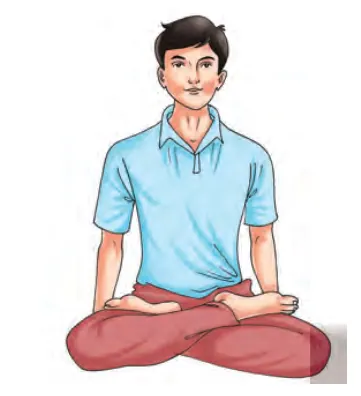
- Padmasana / Sukhasana — comfortable seated poses for meditation, improves hip flexibility.
- Bhujangasana (Cobra) — strengthens lumbar spine, opens chest.
- Shalabhasana (Locust) — strengthens back muscles and glutes.
- Setu Bandha (Bridge) — stretches chest, strengthens lower back and glutes.
- Adho Mukha Svanasana (Downward Dog) — full body stretch, shoulder and hamstring flexibility.
- Trikonasana (Triangle) — lateral stretch, spinal mobility and leg strength.
- Paschimottanasana (Seated Forward Bend) — hamstring and spinal stretch, calming effect.
- Ardha Matsyendrasana (Half Spinal Twist) — spinal rotation, aids digestion.
- Savasana (Corpse Pose) — deep relaxation, reduces stress and restores body systems.
- Halasana / Sarvangasana / Sirsasana (Plough / Shoulderstand / Headstand) — inversions that should be practiced with experience and caution; affect circulation and endocrine function.
Practice Guidelines & Precautions
- Always begin with warm-up (joint mobility and Sukshma vyayama) and end with relaxation (Savasana).
- Maintain natural breathing; do not hold breath during asana practice unless trained in pranayama techniques.
- Avoid forceful movements; work within pain-free range. If any pain, stop and seek guidance.
- Certain conditions (high blood pressure, heart disease, neck problems, pregnancy, glaucoma) require modifications or avoidance of specific asanas (especially inversions and deep twists).
- Progress gradually: stabilize alignment first, then increase duration or depth.
Educational Emphasis for Class 11: understand categories so you can design safe, balanced sequences that include warm-up, standing, seated, back/forward bends, twists, balance work and final relaxation; be able to name common asanas, explain basic steps, benefits and contraindications.
- Vajrasana after meals to improve digestion and aid absorption.
- Vrikshasana practiced to improve balance — useful when standing in a moving bus or on uneven ground.
- Savasana for 5–10 minutes to reduce exam stress and enhance recovery after practice.
- Padmasana or Sukhasana used as sitting posture during meditation or pranayama sessions.
- Bhujangasana to relieve mild lower-back stiffness from prolonged sitting at a desk.
- Session time distribution (simple guideline): Warm-up 10% + Asana practice 70% + Relaxation 20% of total session time. Example: 60 min → 6 min warm-up, 42 min asanas, 12 min relaxation.
- Holding time by level: Beginners 15–30 seconds per asana; Intermediate 30–60 seconds; Advanced 1–5 minutes (or as taught).
- Repetition guideline for dynamic asanas: 3–5 repetitions per side when building strength/mobility.
- Breath-action rule: Generally inhale to expand or lift (backbends, lifts), exhale to fold or twist (forward bends, twists).
- Practice frequency: 3–6 days/week for benefit; daily short practice (15–30 min) is effective for beginners.
Pranayama: Types and Techniques
Introduction
Pranayama is the yogic practice of regulating the breath to control life force (prana). It improves respiratory efficiency, calms the nervous system, enhances concentration and balances body and mind. Pranayama is usually practiced in a comfortable meditative posture (e.g., Sukhasana or Padmasana), with a straight spine, relaxed shoulders and awareness on the breath.
Basic components of breathing
- Puraka (Inhalation) — drawing breath into the lungs.
- Rechaka (Exhalation) — releasing breath out of the lungs.
- Kumbhaka (Retention) — holding the breath. Antar Kumbhaka = internal retention (after inhalation). Bahya Kumbhaka = external retention (after exhalation).
General precautions
- Practice on an empty stomach or 3–4 hours after heavy food.
- Start slowly; maintain comfort, never strain. Stop if dizzy, faint or breathless.
- Avoid some practices (forceful breathing) in pregnancy, severe hypertension, heart disease, recent surgery, or uncontrolled asthma unless advised by a qualified teacher/doctor.
Common types and their technique
1. Dirga (Three-part or Deep Breathing)
Technique: Sit comfortably. Inhale slowly first into the lower abdomen (diaphragm), then the lower ribs, finally the upper chest. Exhale in reverse order, emptying chest, ribs, then abdomen. Keep breath smooth and even.
Ratio: Beginners 1:1 (inhale:exhale). Use 4–6 slow cycles per minute.
Benefits: Increases lung capacity, reduces anxiety, useful before sleep or exams.
2. Anulom Vilom / Nadi Shodhana (Alternate Nostril Breathing)
Technique: Use right thumb to close right nostril, inhale through left; close left with ring finger, release right, exhale through right. Inhale through right, close right, exhale left. That is one round.
Ratio: For beginners 1:0:1 (inhale:hold:exhale). Progress to 1:4:2 for calming (e.g., inhale 4s, hold 16s, exhale 8s) only under guidance.
Benefits: Balances autonomic nervous system, improves concentration, calms mind.
3. Kapalbhati (Skull-polishing Breathing)
Technique: Forceful, short exhalations produced by rapid abdominal contractions; inhalation is passive. Start with 20–30 quick pumps as one round, rest, repeat 3–4 rounds.
Note: Considered a kriya. Not recommended for pregnant women, heart patients, or uncontrolled hypertension.
Benefits: Clears airways, stimulates abdominal organs, increases alertness.
4. Bhastrika (Bellows Breath)
Technique: Strong, active inhalation and exhalation through the nostrils at a faster but controlled pace (like bellows). Start with 10–20 breaths per round, rest, repeat 2–3 rounds.
Benefits: Energising, increases oxygenation and metabolism. Use with caution if hypertensive.
5. Ujjayi (Victorious Breath)
Technique: Slight constriction of the throat (glottis) to create a soft ocean-like sound on inhalation and exhalation. Breathe slowly and deeply.
Benefits: Generates internal heat, improves focus, widely used in asana practice to link breath with movement.
6. Bhramari (Bee Breath)
Technique: Inhale gently, then exhale while making a long, low humming sound (like a bee) with lips closed. Place index fingers lightly on the cartilage near ears for vibration awareness if desired.
Benefits: Rapidly calms the nervous system, reduces agitation, helpful before public speaking or exams.
7. Sheetali and Sheetkari (Cooling Breaths)
Technique Sheetali: Roll the tongue into a tube and inhale through the tongue; close mouth and exhale through the nose. Sheetkari: Part teeth slightly and inhale through the teeth with lips closed; exhale through the nose.
Benefits: Cools the body and calms anger; useful in hot weather or after heated situations.
8. Surya and Chandra Bhedana (Right/Left Nostril Emphasis)
Technique: Surya Bhedana — inhale through right nostril, exhale through left (stimulating/energising). Chandra Bhedana — inhale left, exhale right (calming/cooling).
Practice structure (example for beginners)
- Posture and relaxation: 2–3 minutes.
- Warm-up breathing (Dirga): 3–5 cycles.
- Main pranayama (Anulom Vilom or Kapalbhati or Bhastrika): 5–10 minutes total, depending on type.
- Cooling/closing (Bhramari or Sheetali): 2–3 minutes.
- Relaxation (Shavasana or sitting quietly): 2–5 minutes.
Benefits summary
- Improves lung function and respiratory muscles.
- Reduces stress, anxiety and improves sleep.
- Enhances concentration, memory and emotional regulation.
- Regulates heart rate and can improve autonomic balance.
When to consult a teacher or doctor: if you have chronic respiratory disease, cardiac conditions, uncontrolled hypertension, glaucoma or pregnancy.
- A student uses 5 minutes of Anulom Vilom before an exam to reduce anxiety and improve concentration.
- A football player practices Bhastrika for 3 sets in the morning to increase alertness and oxygenation before training.
- A person feeling overheated after outdoor work practices Sheetali for 2–3 minutes to produce a cooling effect and calm the mind.
- A singer uses Ujjayi breathing during practice to control breath flow and sustain notes with steady airflow.
- Before bed, someone practices Dirga (three-part breathing) for 5–10 minutes to relax and improve sleep onset.
- Minute ventilation (Ve) = Tidal volume (Vt) × Respiratory rate (f). Example: if Vt = 0.5 L and f = 12 breaths/min, Ve = 6 L/min.
- Breath ratio expression: Puraka : Kumbhaka : Rechaka = a : b : c. Common beginner ratios: 1:0:1 (equal inhale and exhale). Intermediate calming ratio example: 1:4:2 (inhale 4s, hold 16s, exhale 8s) — use only under guidance.
- Session time calculation: Total practice time (s) = rounds × breaths_per_round × average_breath_duration (s). Example: 10 rounds × 6 breaths/round × 6 s/breath = 360 s (6 minutes).
Shatkarmas (Yogic Cleansing Techniques)
Introduction: Shatkarmas (also spelled Shatkriyas) are six classical yogic cleansing techniques described in Hatha Yoga traditions. The word ‘Shat’ means six and ‘Karma’ means action. These kriyas are practised to purify the body and mind, remove toxins, balance doshas, improve organ function and prepare the practitioner for higher yogic practices.
The six Shatkarmas:
- Neti – nasal cleansing. Common forms: jala-neti (using saline water) and sutra-neti (thread). Purpose: clear nasal passages, improve breathing, reduce sinus congestion and enhance olfaction.
- Dhauti – cleansing of the digestive tract and stomach. Variations include vamana dhauti (drinking saline water and expelling), vamana vamdha, and vamana shankhaprakshalana. Purpose: remove mucus, reduce acidity and improve digestion.
- Nauli – abdominal muscle churning. Using isolated contraction and rotation of the rectus abdominis to massage internal organs. Purpose: stimulate digestion, tone abdominal muscles and improve intestinal motility.
- Basti – yogic colon cleansing (anal cleansing or yogic enema). Classical Basti uses a water enema technique to cleanse the lower intestines. Purpose: relieve constipation, cleanse colon and balance Vata.
- Kapalabhati – frontal brain cleansing (skull-shining breath). Rapid, forceful exhalations with passive inhalations. Purpose: clear respiratory passages, energize the mind, improve lung ventilation and metabolic rate.
- Trataka – focused gazing (steady eye practice). Fixing the gaze on a small object, candle flame or point to improve concentration and ocular strength. Purpose: improve concentration, memory and eye endurance.
Benefits (general): improved respiratory and nasal function; better digestion; reduced constipation and acidity; improved mental clarity and alertness; enhanced concentration and sensory acuity; stimulation of abdominal organs and circulation; preparatory purification for pranayama and meditation.
Precautions and contra‑indications: Shatkarmas should be learned from a qualified teacher and practised under supervision initially. Avoid or modify if you have: pregnancy, recent abdominal surgery, hernia, uncontrolled hypertension, severe cardiac disease, active peptic ulcer, severe respiratory disease, glaucoma or detached retina (for Trataka). Do not force techniques — practice gradually.
Practical notes: Many Shatkarmas (especially Dhauti, Basti and Sutra-Neti) are advanced and require training. Simpler and safer forms (jala-neti, kapalabhati, gentle nauli progressions, trataka) are commonly taught to beginners. For school/PE contexts, emphasise hygiene (sterile saline for jala-neti), supervision and progressive learning.
- A student with seasonal allergic rhinitis uses jala-neti (saline nasal rinse) before morning classes to reduce nasal congestion and improve breathing during pranayama.
- A person with chronic constipation learns gentle Basti under supervision to improve bowel regularity (only when taught by a qualified instructor).
- Before an important exam, a student performs 2–3 rounds of Kapalabhati to increase alertness, followed by 5–10 minutes of Trataka to improve concentration.
- Someone with indigestion practices gentle Nauli (under guidance) to stimulate digestion and relieve mild bloating.
- A swimmer uses regular kapalabhati practice to improve respiratory control and awareness of breathing patterns.
- Minute ventilation (physiological relation): VE = Vt × f (VE = minute ventilation in L/min; Vt = tidal volume in L; f = respiratory rate in breaths/min). Kapalabhati increases f and transiently increases VE.
- Alveolar ventilation approximation: VA = (Vt − Vd) × f (Vd = anatomical dead space). Effective breathing techniques increase VA by increasing Vt or f appropriately.
- Basic practice parameters (not strict mathematical laws but useful guidelines): - Kapalabhati: 30–60 strokes per round; 2–6 rounds with 30–60 sec rest between rounds for beginners. - Trataka: start with 1–2 minutes steady gaze; gradually increase to 5–10 minutes. - Jala-neti: use isotonic saline (9 g NaCl per 1 L water ≈ 0.9% solution) to avoid irritation.
- Breath ratio concept (useful for pranayama contexts): In : Retention : Out = a : b : c. Example safe beginner ratio (for gentle practices): 1 : 0 : 1. (Kapalabhati uses forceful out-breaths with passive in-breaths, so retention is usually 0.)
Bandhas and Mudras
Definition: Bandhas (locks) are internal muscular/energetic contractions used to direct pranic (life‑force) flow and stabilize the body during pranayama and asana. Mudras (seals/gestures) are physical positions (usually of hands, fingers, eyes or body) that change physiological and mental states by redirecting energy and attention.
Bandhas (main types):
- Mula Bandha (Root lock): Contraction of the pelvic floor (perineum). Technique: sit upright, inhale normally, on a neutral or slight exhale gently draw/ lift the muscles of the perineum upward and inward; hold comfortably, then release. Benefits: strengthens pelvic floor, supports core stability, improves continence, helps energy rising.
- Uddiyana Bandha (Abdominal lock / upward flying lock): Upward draw of the diaphragm/abdomen after a full exhale. Technique: exhale fully, hold breath out (bahya kumbhaka), and pull the abdominal wall up under the ribcage; hold briefly, relax and inhale. Benefits: massages abdominal organs, stimulates digestion, tones transversus abdominis, aids pranayama depth.
- Jalandhara Bandha (Chin lock): Tucking the chin to the chest while breathing is held. Technique: during breath retention (often after inhalation), lower the chin to the jugular notch without straining the neck; maintain an open chest. Benefits: balances thyroid/parathyroid region, calms the mind, regulates blood flow to head.
- Maha Bandha (Great lock): Combination: Mula + Uddiyana + Jalandhara performed in sequence or together to maximize internal pressure regulation and pranic lift.
Mudras (common and class‑11 relevant):
- Chin / Jnana Mudra: Tip of index finger touches tip of thumb; other fingers extended. Technique: rest hands on knees, palms up. Benefits: improves concentration, calms mind, fosters intellectual clarity.
- Anjali Mudra (Prayer mudra): Palms pressed together at chest. Benefits: centers attention, promotes humility and balance, used to begin/end practice.
- Dhyana Mudra: Hands in lap, right over left, thumbs touching. Benefits: supports deep meditation and mental steadiness.
- Prana Mudra: Ring and little finger touch the thumb. Benefits: stimulates vitality, reduces fatigue.
- Apana Mudra: Middle and ring fingers touch the thumb. Benefits: supports digestion and elimination, relieves bloating.
How Bandhas and Mudras are used together: Mudras are often used during seated meditation to direct attention and subtle energy; bandhas are applied during pranayama or dynamic practices to control pressure and guide prana. For example, perform Mula Bandha during pranayama to stabilize pelvic floor while using Jnana Mudra to steady the mind.
Precautions and contraindications: Beginners should learn under a teacher. Avoid strong Uddiyana if pregnant, immediately after meals, or if hypertensive/heart disease without guidance. Do not strain neck for Jalandhara if cervical issues exist. Start gently, breathe normally when unsure, stop if dizzy or in pain.
Practice guidelines: Start with short holds and few repetitions (see formulas). Always relax fully between repetitions and maintain comfortable, upright posture.
- Before a running session: gently engage Mula Bandha for improved core stability and better running posture during warm-up drills.
- Public speaking: use controlled breathing with Jalandhara Bandha avoided; instead, practice chest openness and Jnana mudra during rehearsals to calm nerves and improve focus.
- After a heavy meal: sit quietly and practice Apana Mudra with slow diaphragmatic breathing to aid digestion and reduce bloating.
- Meditation session: sit in Sukhasana with Dhyana Mudra, maintain Mula Bandha lightly to steady the mind and posture.
- Lower‑back rehabilitation: supervised Mula Bandha exercises to strengthen the pelvic floor and deep abdominal corset for spinal support.
- Fatigue management: practice Prana Mudra for 5–10 minutes to boost perceived energy and reduce lethargy.
- Maha Bandha = Mula Bandha + Uddiyana Bandha + Jalandhara Bandha (applied in sequence or combined).
- Beginner breathing guideline while learning bandhas: inhale 4 counts – exhale 4 counts – hold 0–4 counts (avoid force). Reps: 5–10 cycles per bandha; 1–2 sets with 30–60s rest.
- Intermediate pranayama ratio with kumbhaka (used cautiously): inhale : antar kumbhaka : exhale : bahya kumbhaka = 1 : 4 : 2 : 0 (e.g., 4s inhale, 16s retention, 8s exhale). Use only when trained.
- Hold durations (typical safe ranges): Mula Bandha 5–15s; Uddiyana Bandha 3–10s (after full exhale); Jalandhara Bandha during comfortable breath retention — do not strain.
- Training progression: intensity (%) × duration (s) × reps = total practice load. Example beginner load for Mula: 30% intensity × 10s × 8 reps = manageable session (qualitative planning guideline, not a strict physiological law).
Relaxation and Meditation
Definition: Relaxation is the intentional reduction of physical tension and mental arousal to restore balance in the nervous system. Meditation (Dhyana) is a trained, sustained attention and awareness practice that cultivates calm, clarity and insight. In yoga these two are complementary: relaxation prepares the body and mind; meditation stabilises attention and fosters inner stillness.
Types & Techniques:
- Relaxation techniques: Shavasana (corpse pose), Progressive Muscle Relaxation (systematic tensing and releasing of muscles), Autogenic training (self-suggestions of warmth/heaviness), Guided imagery, and Diaphragmatic (deep) breathing.
- Meditation styles: Focused-attention (concentration on breath/mantra), Open-monitoring (mindfulness/non-reactive awareness), Loving-kindness (metta), and Transcendental (mantra-based effortless attention).
Physiology & Mechanism: Relaxation and meditation activate the parasympathetic nervous system (rest-and-digest), lower sympathetic arousal, reduce cortisol secretion and heart rate, increase heart-rate variability (HRV) and EEG alpha/theta activity. Regular practice produces neural plasticity in attention and emotion-regulation networks.
Practical Steps (simple protocol for students):
- Find a quiet, comfortable posture (Shavasana, seated with a straight spine, or lying down).
- Set a timer (5–20 minutes for beginners).
- Begin with 2–5 deep diaphragmatic breaths to settle the body.
- Use a technique: e.g. focus on natural breath (count or label inhalation/exhalation), or do progressive muscle relaxation by moving attention through body parts tensing 5–7s then releasing.
- When the mind wanders, note it nonjudgmentally and return to the anchor (breath/mantra/body-scan).
- End gently: wiggle fingers/toes, breathe deeply, open eyes slowly.
Benefits (evidence-based): reduced anxiety and stress, improved concentration and memory, lower blood pressure and resting heart rate, better sleep quality, faster recovery after exercise, improved mood and emotional regulation.
Precautions: Start slowly if you have trauma or anxiety—use guided practice or a teacher. If dizziness, chest pain, or faintness occur, stop and seek help.
Teaching tips for Class 11: Demonstrate 5-min guided relaxation (Shavasana) and a 3–5 min focused-breathing meditation. Ask students to record pre/post subjective stress (0–10) and heart rate to illustrate changes.
- Before an exam: a student sits quietly for 5 minutes doing slow diaphragmatic breathing (4 s in : 6 s out) to reduce anxiety and improve focus.
- Athlete pre-performance: a sprinter uses progressive muscle relaxation followed by 2 minutes of focused breathing to lower muscle tension and sharpen attention.
- Office short break: an employee practices a 3-minute mindfulness break (focus on breath) to reset attention and reduce mental fatigue.
- Post-exercise recovery: after a training session, a player lies in Shavasana for 7–10 minutes to speed recovery and reduce heart rate.
- Falling asleep: someone practices guided imagery (visualising a calm place) combined with slow breathing to reduce sleep-onset time.
- Walking meditation: a person practices mindful walking—attending to each step and bodily sensations—to reduce rumination and increase present-moment awareness.
- Average heart rate (HRavg) = total beats measured / measurement duration (minutes). Example: HRavg = 420 beats / 5 min = 84 beats/min.
- Cardiac output (CO) ≈ HR × Stroke Volume (SV). Example: CO (L/min) = HR (beats/min) × SV (L/beat).
- Oxygen consumption (Fick) VO2 = CO × (a-vO2 difference). Useful to relate breathing and metabolic demand.
- Respiration rate (breaths/min) = 60 / average breath period (seconds). Example: if one breath = 5 s, rate = 60/5 = 12 breaths/min.
- Breathing ratios often used in practice: Sama Vritti (equal) 1:1 (e.g., 4 s inhalation : 4 s exhalation); extended exhale 1:2 (e.g., 4 s in : 8 s out) to stimulate parasympathetic activity.
- Heart-rate variability (time-domain) SDNN = sqrt( (1/(N-1)) * Σ(RR_i − mean_RR)^2 ), where RR_i are successive R–R intervals.
Surya Namaskar (Sun Salutation)
Definition & origin: Surya Namaskar, or Sun Salutation, is a sequence of 12 yoga postures performed in a flowing rhythm coordinated with breath. Traditionally practiced facing the sun, it combines asana, pranayama (breath control) and dynamic stretching to warm up the body and calm the mind.
Objectives: Improve flexibility, strength, balance and cardiovascular fitness; stimulate internal organs; improve posture and mental focus.
Standard 12-step sequence with breathing cues:
- Pranamasana (Prayer Pose) – Stand tall, palms together at chest. Breath: Exhale and relax.
- Hasta Uttanasana (Raised Arms Pose) – Inhale, raise arms overhead and gently arch back.
- Hasta Padasana / Padahastasana (Forward Bend) – Exhale, bend forward from hips, bring hands to floor beside feet.
- Ashwa Sanchalanasana (Equestrian/Lunge) – Inhale, step right leg back, drop knee or keep straight, look forward.
- Dandasana / Plank Pose – Hold breath (or inhale) and step the left leg back to form a straight plank (body aligned).
- Ashtanga Namaskara (Knees-Chest-Chin) – Exhale, lower knees, chest and chin to floor keeping hips raised (or modified).
- Bhujangasana (Cobra Pose) – Inhale, slide forward and lift chest using back muscles, elbows slightly bent.
- Adho Mukha Svanasana (Downward-Facing Dog) – Exhale, lift hips up and back to form an inverted V, heels moving toward floor.
- Ashwa Sanchalanasana (other leg) – Inhale, step right foot forward between hands (opposite leg forward from step 4).
- Padahastasana (Forward Bend) – Exhale, bring left foot forward and fold.
- Hasta Uttanasana (Raised Arms) – Inhale, sweep arms up and slightly back, lengthen spine.
- Tadasana / Samasthiti (Mountain Pose) – Exhale, return to standing with palms at sides or in prayer.
Practice guidelines: Start slowly with 4–6 rounds, gradually increase to 12–24 rounds depending on fitness and time. Coordinate each movement with inhalation or exhalation as indicated. Maintain steady, deep diaphragmatic breathing. Use a soft surface; wear comfortable clothing.
Benefits: Improves joint mobility (spine, shoulders, hips), strengthens arms, legs and core, improves digestion and circulation, increases lung capacity, aids weight management, reduces stress and improves concentration.
Precautions & contraindications: Avoid full rounds or modify poses if pregnant (skip deep backbends and supine/abdomen compression), have uncontrolled high blood pressure, recent abdominal surgery, severe back/neck injuries, or retinal disorders. Move slowly if dizziness or vertigo occurs. Consult a physician if in doubt.
Teaching tips & alignment cues: Keep spine long in forward bends, engage core in plank, distribute weight evenly in downward dog, avoid collapsing the lower back in cobra — lift using back muscles. Keep shoulders away from ears; breathe smoothly.
Recommended routine: Morning on an empty stomach for vitality; 12 rounds at a moderate pace take ~10–20 minutes depending on breath duration. Combine with relaxation or meditation at the end.
- Morning routine: A student performs 12 rounds of Surya Namaskar after waking to energize the body before school.
- Sports warm-up: A football player does 6–8 rounds at a moderate pace to mobilize hips, shoulders and increase heart rate before practice.
- Office break: Performing 2–4 slow rounds during a mid-day break to relieve stiffness, improve posture and reduce stress.
- Rehabilitation/modification: A person with lower-back sensitivity practices a modified sequence (no deep backbends) under supervision to regain mobility.
- Group class: A PE teacher leads a class of 20 students through Surya Namaskar to teach breath-movement coordination and collective warming up.
- Energy expenditure estimate: Calories (kcal) = MET × weight(kg) × duration(hours). Example: MET ≈ 3.5–5 for moderate Surya Namaskar; for a 60 kg person doing 30 minutes at MET 4: kcal = 4 × 60 × 0.5 = 120 kcal.
- Target heart rate (general exercise guideline): Target HR = (220 − age) × desired intensity (%). Use 50–70% for light-moderate practice, 70–85% for vigorous sessions.
- Repetition/time conversion (practical): 1 round ≈ 30–90 seconds depending on breathing speed. Example pacing: 12 rounds × 45 seconds ≈ 9 minutes.
- Breath coordination rule: Assign inhale (↗) and exhale (↘) for each pose. Example short mnemonic: Inhale to lift/expand, exhale to fold/contract.
Yoga for Health and Therapeutic Applications
Definition and components: Yoga is a holistic practice combining physical postures (asanas), breathing techniques (pranayama), relaxation and meditation. For health and therapeutic applications, yoga is used systematically to prevent illness, manage symptoms of chronic conditions and restore function.
Major health benefits
- Improves flexibility, muscle strength and joint mobility.
- Enhances respiratory efficiency and lung capacity (pranayama).
- Reduces stress, anxiety and depression by lowering sympathetic activity and cortisol.
- Helps weight management and improves metabolic profile (insulin sensitivity, lipid profile).
- Improves cardiovascular parameters: lowers resting heart rate and can reduce blood pressure.
- Improves balance and coordination — useful for fall prevention in elderly.
Therapeutic applications (common conditions and how yoga helps)
- Cardiovascular disorders (hypertension, coronary disease): gentle asanas, relaxation and slow pranayama reduce sympathetic drive and blood pressure; avoid vigorous inversions for uncontrolled hypertension.
- Respiratory disorders (chronic bronchitis, mild asthma): diaphragmatic breathing, Anulom Vilom (alternate nostril breathing) and slow pursed-lip–type exhalation improve breath control and reduce breathlessness; avoid forceful breath retention in acute attack.
- Musculoskeletal problems (low back pain, neck stiffness): specific asanas (eg. Bhujangasana, Shalabhasana, Ardha Matsyendrasana, Cat–Cow) improve posture, spinal flexibility and core strength, reducing pain and recurrence.
- Mental health (stress, anxiety, depression): mindfulness, meditation and breathing reduce rumination, improve mood and sleep quality.
- Metabolic disorders (obesity, type 2 diabetes): combination of asanas, dynamic sequences and pranayama aids weight management and improves glycaemic control through increased activity and improved autonomic balance.
- Neurological and rehabilitation (stroke recovery, mild neuropathy): supported, supervised yoga improves balance, range of motion and functional independence.
Physiological mechanisms: Yoga shifts autonomic balance toward parasympathetic dominance, lowers cortisol and inflammatory markers, improves vagal tone, enhances pulmonary ventilation–perfusion efficiency, increases muscular endurance and flexibility, and improves metabolic regulation (glucose uptake and lipid metabolism).
Guidelines and precautions
- Assess medical condition before starting—seek physician clearance for chronic or acute illnesses.
- Practice under a qualified instructor for therapeutic programs, especially for elderly, pregnant women or those with chronic disease.
- Start gently and progress gradually. Avoid painful positions; modify as needed with props.
- Contraindications: avoid head-down inversions in uncontrolled hypertension, avoid forceful breath retention in acute respiratory or cardiac events, and adapt postures for osteoporotic patients to prevent fractures.
Typical therapeutic session structure: 5–10 min warm-up and loosening, 20–30 min asanas tailored to condition (focus on flexibility, strength and posture), 5–10 min pranayama (slow diaphragmatic breathing, Anulom Vilom, Bhramari), 5–15 min guided relaxation/meditation (Shavasana or body-scan). Frequency: daily or at least 3–5 times/week; observe changes over weeks to months.
- A 17-year-old student with exam anxiety practices 10 minutes of Anulom Vilom daily and a 10-minute guided relaxation; after 4 weeks reported reduced test anxiety and improved sleep.
- A middle-aged man with mild hypertension follows a supervised yoga program (gentle asanas, relaxation, slow pranayama) for 12 weeks; his resting systolic and diastolic BP decreased and medication dose was later reviewed by his doctor.
- An office worker with chronic low back pain uses core-strengthening and spine-mobility asanas (Cat–Cow, Bhujangasana, Pelvic tilts) combined with daily stretching; pain intensity and days off work reduced over 8 weeks.
- An elderly woman with type 2 diabetes adds daily yoga postures and brisk walking to lifestyle changes; after 3 months her fasting blood glucose and BMI improved.
- A recreational athlete includes yoga for flexibility and recovery (dynamic sequences and pranayama) and notices fewer muscle strains and improved range of motion.
- Body Mass Index (BMI) = weight (kg) / [height (m)]^2 — used to monitor weight status during therapy.
- Maximum Heart Rate (HRmax) ≈ 220 − age (years) — useful for estimating exercise intensity limits.
- Karvonen (Target Heart Rate) = [(HRmax − HRrest) × desired % intensity] + HRrest — for prescribing safe cardiovascular effort during rehabilitation.
- Percentage change (improvement) = [(pre value − post value) / pre value] × 100 — to quantify clinical/physiological improvement (eg. BP, HR, pain score).
Rules, Precautions and Safety
Introduction
"Rules, Precautions and Safety" in Yoga covers the principles a practitioner and teacher must follow to get maximum benefits while avoiding injury or adverse effects. Safety in yoga is a mix of correct environment, progressive practice, anatomical awareness and medical precautions.
General Rules Before Practice
- Practice on an empty stomach: wait 3–4 hours after a heavy meal, 1.5–2 hours after a light meal.
- Choose a quiet, well-ventilated, non-slippery surface (yoga mat) and a regular time (early morning is ideal).
- Wear comfortable, breathable clothes; remove jewelry and avoid bare, wet floors.
- Warm up for 5–10 minutes (joint rotations, gentle dynamic stretches) before asanas and pranayama.
- Follow a teacher’s instructions for alignment and breathing; practise under supervision if you are a beginner or have medical issues.
Rules During Practice
- Synchronize movement with breath: generally inhale during expansion/opening and exhale during contraction/forward bend.
- Maintain correct alignment—avoid forcing a posture; use props (blocks, straps, bolsters) to support alignment.
- Breathe smoothly and continuously; avoid holding breath unless taught specific kumbhaka under supervision.
- Go only as far as comfortable—mild tension is OK, sharp pain is a sign to stop or modify.
- Observe time limits for each asana and end with relaxation (Savasana) for at least 5 minutes.
Precautions (Condition-Specific and General)
- Cardiovascular disease / Hypertension: avoid long breath retention, extreme inversions (headstands), and rapid, excessive exertion. Prefer gentle pranayama (e.g., Anulom Vilom) and consult a physician.
- Back pain / Disc problems: avoid forceful forward bends and deep twists; do hamstring and core strengthening with guidance; use props and micro-bends in knees.
- Pregnancy: avoid supine positions after the first trimester for extended periods, avoid strong compressions, intense twists and inversions. Focus on pelvic floor, gentle stretches and breathing adapted for pregnancy.
- Glaucoma / Retinal problems: avoid head-down postures and any posture that raises intraocular pressure.
- Osteoporosis: avoid rapid spinal flexion, deep forward bends and any high-impact jumps; emphasize strength, balance and supported postures.
- Asthma / Respiratory conditions: practise slow, controlled breathing and avoid hyperventilation; have inhaler accessible and warm up thoroughly.
- Diabetes: monitor blood glucose before and after practice; avoid practises that cause sudden hypoglycaemia—have a snack available if needed.
- Menstruation: usually avoid long inversions and intense bandhas; prefer gentle restorative practices.
- Recent surgery, fractures, pregnancy complications or uncontrolled medical conditions: consult a doctor before practising.
Safety Measures and Good Practice
- Progress gradually—increase duration, intensity or complexity by small increments (apply a 5–10% rule week-to-week).
- Use props and modifications: blocks, straps, bolsters, wall support and chair yoga for limited mobility.
- Supervision: beginners, elderly, pregnant women or those with conditions should train under a qualified instructor.
- Know red flags: stop immediately if you feel chest pain, severe breathlessness, numbness, dizziness, visual changes or acute joint pain; seek medical help if symptoms persist.
- Maintain hygiene: clean mat and props; avoid practicing on infected skin or open wounds.
- Emergency readiness: teacher should know basic first aid and CPR and have emergency contacts available.
Principles of Safe Alignment and Breath
- Neutral spine: preserve the natural curves of the spine unless a pose explicitly requires safe flexion/extension.
- Balanced effort: distribute weight evenly across hands/feet and avoid sharp loading of joints.
- Breath first: if breath becomes irregular, return to gentle breathing or rest—breath controls intensity and signals overload.
- Listen to your body: progress is measured over weeks and months; avoid comparing your range with others.
Ending the Session
- Cool down with gentle stretches and Savasana (5–10 minutes) to restore nervous-system balance.
- Re-hydrate and refuel moderately if needed. Resume normal activities gradually.
Teaching and Classroom Safety
- Screen students for health conditions and modify classes accordingly.
- Demonstrate both full and modified versions of poses; give clear verbal cues on alignment and breath.
- Maintain a safe student-to-teacher ratio for hands-on adjustments; obtain consent before physical adjustments.
Summary
Safe yoga practice requires preparation (warm-up, environment), correct technique (alignment and breath), condition-specific modifications, gradual progression and awareness of warning signs. When in doubt, consult a qualified teacher or a health professional.
- Elderly student with knee osteoarthritis: use chair yoga or bolster under the hips for seated forward bends, avoid deep squats, and perform strengthening and balance drills to reduce fall risk.
- Person with hypertension: avoid headstand and prolonged breath retention; emphasise gentle asanas (Tadasana, Trikonasana) and slow pranayama like Nadi Shodhana (Anulom Vilom) while monitoring symptoms.
- Pregnant woman (second trimester): avoid long supine poses, skip deep twists and strong compressions; practise supported side-lying poses, gentle hip openers and pelvic floor exercises.
- Beginners in Sun Salutation: practice slower repetitions, coordinate inhalation with upward movement and exhalation with forward/flexion; use blocks to reduce strain on hamstrings and lower back.
- Student feeling dizziness during pranayama: stop the practice, sit in Vajrasana or Sukhasana and take calm, normal breaths; rest and seek medical advice if it recurs.
- BMI = weight (kg) / [height (m)]^2 — useful to assess body composition before prescribing intensity.
- Maximum Heart Rate (HRmax) ≈ 220 − age (years). Target heart rate for moderate aerobic activity ≈ 50–70% of HRmax (useful when yoga session includes dynamic sequences).
- Box breathing / Sama Vritti ratio examples: 4:4:4:4 (inhale : hold : exhale : hold) or simple Sama Vritti 4:4 (inhale 4 counts, exhale 4 counts) — use gentle counts for beginners.
- Progression guideline (exercise load): increase duration/intensity by ~5–10% per week to reduce injury risk (general training rule).
Organization and Teaching of Yoga Sessions
Overview
Organization and teaching of yoga sessions involves planning, structuring, instructing and assessing classes so students practice safely and progress in flexibility, strength, balance, breath control and mental relaxation. A well-organized session has clear objectives, an appropriate sequence of components, correct timing, effective teaching methods and safety measures.
Objectives and planning
- Set clear objectives: physical (flexibility, strength), physiological (breath control), psychological (stress reduction), and educational (awareness of alignment).
- Know your group: age, fitness level, medical limitations, class size, available space and props.
- Decide session length and frequency: e.g., 30, 45 or 60 minutes; frequency influences progress (2–5 times/week typical).
- Use progression: from simple to complex, general to specific, and shorter holds to longer holds as ability increases.
Typical session structure and sample time allocation
- Opening/warm-up (5–10 min): gentle joint mobility, sun salutations or dynamic stretching to prepare the body and connect breath with movement.
- Asana practice (15–30 min): standing, balance, forward bends, backbends, twists and seated poses ordered to reduce injury risk (large muscle groups first, then deeper stretching).
- Pranayama/breath work (5–10 min): simple breathing techniques for breath awareness and autonomic regulation.
- Relaxation/meditation (5–10 min): Savasana and guided relaxation or short meditation to consolidate effects.
- Closing (1–2 min): gentle stretch, gratitude/brief teacher cues and next-session reminders.
Sequencing principles
- Warm up muscles and mobilize joints before intense or deep stretches.
- Order postures to avoid repetitive strain (alternate forward and backward bending; end with inversions only for experienced practitioners).
- Teach alignment first, then variations and modifications to suit individuals.
- Consider breathing patterns: link breath to movement (eg, inhale to expand, exhale to fold) and maintain a steady, comfortable rhythm.
Teaching methods and cues
- Explain briefly (purpose, benefits, contraindications), then demonstrate correct alignment.
- Use verbal cues that are clear and concise: start with global instructions, then specific adjustments.
- Provide hands-on adjustments only with consent and with attention to safety.
- Use visual aids: mirrors, props (blocks, straps), and written/printed sequences for home practice.
- Encourage self-awareness: noticing breath, sensations, and limits to avoid overstretching.
Safety, contraindications and inclusivity
- Screen for medical conditions (high blood pressure, hernia, pregnancy, recent surgeries). Modify or avoid poses accordingly.
- Offer regressions for beginners and progressions for advanced students; use props to bridge gaps in flexibility or strength.
- Keep clear sightlines and maintain an appropriate teacher-to-student ratio for supervision.
Assessment and progression
- Use simple tests or observational checklists for flexibility, balance and breath control periodically (weekly or monthly).
- Adjust intensity by increasing hold times, adding repetitions, varying breath ratios, or introducing more challenging variations.
Record keeping and session evaluation
- Maintain a lesson plan with objectives, sequence, timing and notes about individual needs.
- Collect feedback from students on difficulty and comfort levels and adapt future sessions.
Example brief 45-minute school class outline
- Warm-up and breathing (7 min): joint mobility, 5 rounds of gentle sun salutations with Ujjayi-like breath.
- Main asana sequence (25 min): standing balance (Tree), forward fold, Warrior I/II, gentle backbends (Cobra), seated hamstring stretch, twists.
- Pranayama (6 min): Anulom Vilom (alternate nostril) 4–6 minutes at comfortable counts.
- Relaxation/meditation (6 min): guided Savasana and 1–2 min closing reflection.
Teaching tips for different contexts
- School PE: keep language simple, use group demonstrations, and emphasize safety and posture games for engagement.
- Therapeutic/rehabilitation: coordinate with medical professionals, prioritize gentle stretches, breathing and relaxation; avoid extremes.
- Corporate classes: focus on desk-friendly stretches, shoulder/neck release, short pranayama and quick relaxation (30 min).
Summary
A well-organized yoga session balances preparation, focused practice, breath work and relaxation, tailored to the students' needs. Effective teaching combines clear explanation, demonstration, safe hands-on guidance, progress monitoring and thoughtful sequencing so students improve physically and mentally while minimizing risk.
- Beginner 30-minute session: Warm-up 5 min (neck/shoulder rolls, cat-cow), Asanas 15 min (Mountain, Forward Fold, Warrior I, Tree, Seated Forward Bend), Pranayama 5 min (Sama Vritti 4–4), Savasana 5 min.
- School PE 45-minute session: Warm-up 7 min (dynamic sun salutations), Main asana 25 min (standing sequence, balances, gentle backbends), Pranayama 6 min (Anulom Vilom), Relaxation 6 min (guided Savasana).
- Therapeutic 20-minute back-care session: Warm-up 3 min (pelvic tilts), Gentle asanas 10 min (Child's Pose, Cat-Cow, Bridge with block), Pranayama 3 min (diaphragmatic breathing), Relaxation 4 min.
- Corporate 30-minute session: Warm-up 4 min (seated mobility), Chair-friendly asanas 18 min (seated twist, seated side stretch, wrist/shoulder stretches), Pranayama 4 min (box breathing 4–4–4–4), Short guided relaxation 4 min.
- Total session time = Warm-up + Asana practice + Pranayama + Relaxation + Closing. Example: 45 = 7 + 25 + 6 + 6 + 1.
- Breaths per minute (BPM) = 60 / (inhale_time + exhale_time). Example: if inhale 4s and exhale 6s, BPM = 60 / (4+6) = 6 breaths/min.
- Sama Vritti (equal breath ratio) example: inhale:hold:exhale:hold = 4:4:4:4 seconds (1:1:1:1).
- Alternate nostril (Anulom Vilom) simple ratio: inhale 4s — hold 0s — exhale 4s (4:0:4) or advanced 4:4:4.
- Target heart rate (if monitoring intensity) via Karvonen: TargetHR = [(220 - age) - HRrest] × intensity_fraction + HRrest. (Yoga intensity is usually low; intensity_fraction often 0.3–0.6.)
- Progression principle (FITT adapted): Frequency × Intensity × Time × Type. Increase one variable gradually to progress safely.
Yogic Lifestyle, Diet and Ethics
Overview
A yogic lifestyle integrates physical practice (asanas, pranayama), mental disciplines (meditation, self‑study) and ethical living (yama and niyama) to promote health, clarity and harmony with others and nature. Diet is considered a support for practice and mental purity — it should promote sattva (clarity), strength and balanced energy.
Key components
- Lifestyle: daily routine (dinacharya), sleep/wake cycles, cleanliness, moderation and regular practice.
- Diet: food quality and timing (sattvic/rajasic/tamasic classification), mindful eating, hydration and portion control.
- Ethics: Yama and Niyama (ethical restraints and observances) that guide behaviour toward self and others.
Yama and Niyama (concise)
- Yama (restraints): Ahimsa (non‑violence), Satya (truthfulness), Asteya (non‑stealing), Brahmacharya (right use of energy/moderation), Aparigraha (non‑greed/non‑hoarding).
- Niyama (observances): Shaucha (cleanliness), Santosha (contentment), Tapas (self‑discipline), Svadhyaya (self‑study), Ishvara Pranidhana (surrender/devotion).
Dietary principles in Yoga
- Sattvic foods (preferred): fresh fruits, vegetables, whole grains, milk, ghee, nuts and legumes — promote calmness and clarity.
- Rajasic foods: spicy, caffeinated, overly stimulating or heavy foods — increase activity and restlessness; use sparingly.
- Tamasic foods: stale, overly processed, intoxicants — promote dullness and inertia; avoid for serious practice.
- Mindful eating: eat slowly, chew well, avoid multitasking, stop before feeling completely full (quarter empty, quarter full principle).
- Timing: practice on an empty stomach when possible. Wait 2–3 hours after a full meal before vigorous practice; 30–60 minutes after a light snack.
- Hydration: maintain regular water intake; avoid excess cold drinks right before practice.
Practical lifestyle guidelines
- Maintain regular wake/sleep times; early rising (Brahmamuhurta period) is traditional for clarity and effective practice.
- Start the day with gentle cleansing, light movement, pranayama then asana; follow with a sattvic breakfast.
- Limit stimulants (excessive tea/coffee, nicotine, alcohol). Reduce processed and deep‑fried foods.
- Use self‑reflection (svadhyaya) and self‑discipline (tapas) to build habit — small consistent changes are effective.
Ethics applied to daily life
- Ahimsa: choose foods and behaviours that minimize harm (compassionate choices, reduce waste).
- Satya and Asteya: honest communication and fair conduct in relationships and consumption.
- Aparigraha: simplify possessions and eating habits to reduce attachment and stress.
Benefits
- Improved digestion, better sleep, stabilized mood and reduced stress.
- Enhanced concentration and sustained energy for studies and work.
- Greater empathy, social responsibility and environmentally conscious choices.
Safety note: adapt diet and practices for age, medical conditions and physical limitations; consult a healthcare provider before major changes.
- A student wakes at 5:00 AM (Brahmamuhurta), practices 30 minutes of asanas and pranayama on an empty stomach, then eats a light porridge and fruit — improved concentration in school.
- An office worker replaces a late heavy dinner with a sattvic meal (vegetable curry, brown rice, dal) and short evening meditation — better sleep and reduced afternoon fatigue.
- A family reduces processed snacks and sugary drinks, choosing fresh fruits and homemade roasted chickpeas — less impulsive eating and more stable energy.
- A yoga practitioner avoids caffeine before morning practice and drinks warm water; pranayama is done with a 1:1:1 breathing ratio to calm the mind (equal inhale, hold, exhale).
- A teenager practices Aparigraha by packing smaller portions for lunch, avoiding overeating and food waste; learns mindful portion control.
- A community chooses locally grown seasonal produce for a group meal, applying ethical consumption and reducing environmental impact.
- BMI = weight (kg) / (height (m))^2 — used to screen weight status for diet planning.
- Energy balance: Change in body weight = Energy intake (kcal) - Energy expenditure (kcal). A rough rule: 7700 kcal ≈ 1 kg body fat.
- BMR (Mifflin-St Jeor, approximate): Men = 10×weight(kg) + 6.25×height(cm) - 5×age(years) + 5; Women = 10×weight(kg) + 6.25×height(cm) - 5×age(years) - 161.
- Daily water intake guideline: ~30–35 ml × body weight (kg). Example: 60 kg × 30 ml = 1800 ml/day (adjust for climate and activity).
- Macronutrient distribution (general guideline): Carbohydrates 50–60%, Protein 10–20%, Fat 20–30% of total calories (adjust individually).
- Pranayama timing/ratio examples: Sama Vritti = 1:1:1 (inhale:hold:exhale). Box breathing = 4:4:4:4 (inhale:hold:exhale:hold). For calming, exhale can be longer: 1:0:2 (inhale:exhale hold:exhale twice as long).
Scientific Basis and Research in Yoga
Overview
The scientific basis of yoga examines how yogic practices (asanas, pranayama, meditation, relaxation) affect body structure and function, mental processes and behaviour. Research uses physiological, biochemical, neurophysiological and psychological measurements to test hypotheses about mechanisms and outcomes.
Physiological mechanisms
- Autonomic regulation: Yoga stimulates parasympathetic activity and reduces sympathetic arousal (improved vagal tone). This is measured by heart rate variability (HRV) and resting heart rate.
- Endocrine and stress response: Regular practice reduces hypothalamic–pituitary–adrenal (HPA) axis activation — lower cortisol and catecholamines — leading to better stress resilience.
- Respiratory function: Pranayama improves lung volumes, respiratory muscle strength and ventilatory efficiency; measured by spirometry (FEV1, FVC).
- Cardiovascular benefits: Reduced blood pressure, improved endothelial function and metabolic markers (lipids, insulin sensitivity) through combined physical and autonomic effects.
- Neurological and psychological effects: Meditation and mindfulness components change brain activity and structure (increased prefrontal activity, improved attention, emotional regulation), and reduce anxiety and depression scores.
- Musculoskeletal benefits: Improved flexibility, joint range of motion, balance and core strength; reduces musculoskeletal pain in many people.
Research methods and evidence
- Study designs: Randomized controlled trials (RCTs), quasi-experimental studies, cohort studies, cross-sectional surveys and qualitative research. Systematic reviews and meta-analyses summarise pooled effects.
- Outcomes & measurements: Physiological (HR, BP, HRV, cortisol, inflammatory markers), functional (flexibility tests, balance), psychological (validated questionnaires for stress, anxiety, depression), neuroimaging (fMRI, EEG), and biochemical markers.
- Quality considerations: Proper controls, blinding where possible, sample size calculation, standardized yoga protocols, adherence monitoring, and validated outcome tools are essential for reliable findings.
- Typical findings: Moderate-quality evidence shows that regular yoga reduces perceived stress, improves mood, lowers systolic/diastolic blood pressure modestly, and enhances flexibility and balance. Effects on long-term disease outcomes require larger and longer trials.
Practical implications
Scientific research supports using yoga as part of lifestyle interventions for stress management, secondary prevention in cardiovascular risk, improving respiratory function and aiding mental health. Individualization (age, health status) and safe supervision are important.
Ethics & safety
Clinical research in yoga follows ethical guidelines: informed consent, risk-benefit assessment and monitoring for adverse events. Teachers must adapt practices for injuries, pregnancy and chronic illnesses.
- School stress reduction: An 8-week yoga and breathing program for high-school students showing decreased perceived stress scores and improved attention on standard tests.
- Hypertension management: A community program where regular yoga sessions (3 times/week) produced small but significant reductions in resting systolic and diastolic blood pressure compared with usual care.
- Chronic low back pain: A randomized trial comparing yoga classes to standard physiotherapy demonstrating similar or better pain reduction and functional improvement after 12 weeks.
- Respiratory function in COPD: Short pranayama training improved FEV1 and patients' reported dyspnea and exercise tolerance in mild–moderate cases.
- Mental health: Mindfulness-based yoga interventions reducing symptoms of anxiety and depression on validated scales (e.g., Beck Anxiety Inventory, PHQ-9) in adult participants.
- Body Mass Index (BMI) = weight (kg) / [height (m)]^2
- Heart Rate Reserve (HRR) = HRmax − HRrest ; Target HR = HRrest + %Intensity × HRR
- \[RMSSD (time-domain HRV) = sqrt( (1/(N−1)) × Σ_{i=1 to N−1} (RR_{i+1} − RR_i)^2 )\]
- LF/HF ratio (frequency-domain HRV) = Power_LF / Power_HF (interpreted cautiously as sympathovagal balance)
- Cohen's d (effect size) = (Mean1 − Mean2) / SD_pooled
- Paired t-test statistic = t = (mean_difference) / (SD_difference / sqrt(n)) — used for pre/post comparisons
National and Community Initiatives
Overview
National and community initiatives in yoga are organized efforts by governments, institutions and local groups to promote yoga for physical, mental and social well‑being. These initiatives aim to increase awareness, standardize practice, integrate yoga into public health and education, and make yoga accessible to diverse populations.
Major national initiatives and bodies
- Ministry of AYUSH: Central government ministry that formulates policies, supports research and funds yoga programmes across India.
- International Day of Yoga (IDY): Declared by the UN (resolution 2014), observed every year on 21 June. Popularized mass yoga events and the Common Yoga Protocol.
- Common Yoga Protocol (CYP): A standardized set of practices recommended for mass events and beginners to ensure safety and uniformity.
- Morarji Desai National Institute of Yoga (MDNIY): A national institute for training, research and dissemination of yoga knowledge.
- Yoga Certification Board (under AYUSH): Certification and quality control for yoga teachers and courses.
- Fit India Movement: A national fitness campaign that includes yoga as a key component of a healthy lifestyle.
Community-level initiatives
- School programmes: Regular yoga classes, morning assemblies with asanas/pranayama, yoga clubs and inclusion in physical education curriculum.
- Workplace yoga: Short daily/weekly sessions in offices to reduce stress and improve posture and productivity.
- Community yoga camps: Free or subsidized classes in parks, community halls and health centres targeted at children, women, elderly and differently‑abled.
- Yoga for special populations: Therapeutic yoga programmes for diabetes, cardiovascular disease, mental health, prenatal/postnatal care and for the elderly.
- Volunteer networks & NGOs: Local NGOs and volunteer groups organizing awareness drives, teacher training and mass events.
Implementation steps & quality measures
- Awareness & outreach: Campaigns, demonstrations, school workshops and media.
- Training & certification: Accredited teacher training (Yoga Certification Board) to ensure safe instruction.
- Accessibility: Free camps, classes in local languages, adaptive yoga for physical/developmental limitations.
- Monitoring & evaluation: Pre/post assessments (fitness tests, stress scales), attendance tracking and feedback to measure impact.
Benefits & outcomes
National and community initiatives increase public access to yoga and can reduce stress, improve flexibility, enhance respiratory function, support chronic disease management, and foster social cohesion. When implemented with standardized protocols and trained instructors the risks of injury are minimized.
Role of students and communities
Students can form yoga clubs, participate in IDY, organize neighbourhood camps, collect data (attendance, self‑reported well‑being) for local evaluation, and spread awareness using social media and school networks.
- International Day of Yoga (21 June) mass event in New Delhi where thousands practise the Common Yoga Protocol together to raise awareness.
- CBSE schools integrating daily yoga sessions or weekly yoga clubs for students as part of physical education.
- A corporate office running 20‑minute morning yoga sessions 3 times a week to reduce employee stress and improve posture.
- Community health centre offering weekly therapeutic yoga classes for people with type 2 diabetes to improve blood glucose control and well‑being.
- An NGO organizing free weekend yoga camps in a city park for senior citizens, with modified asanas and breathing exercises.
- A neighbourhood volunteer group conducting door‑to‑door awareness and beginner classes during International Day of Yoga, increasing local participation.
- Body Mass Index (BMI) = weight (kg) / [height (m)]^2 — used to monitor body composition change over time.
- Maximum Heart Rate (approx.) = 220 − age — estimate of maximal cardiac rate for exercise planning.
- Target Heart Rate (Karvonen method) = [(Max HR − Resting HR) × desired intensity] + Resting HR — used when combining yoga with aerobic exercise to set intensity.
- Adherence Rate (%) = (Number of sessions attended / Number of sessions offered) × 100 — used to evaluate participation in a yoga programme.
- Percentage change = [(Post value − Pre value) / Pre value] × 100 — used to quantify improvement in flexibility, stress score, BMI etc.
Assessment, Certification and Career Opportunities
Overview: Assessment, certification and career opportunities in Yoga help learners and practitioners measure progress, gain formal recognition and convert skills into jobs or businesses. For Class 11 students, this means understanding how yoga performance and knowledge are evaluated, what certificates exist and what career paths are available.
Assessment
- Types: formative (continuous class observation, practice logs), summative (practical exams, theory tests), self-assessment and peer-assessment.
- Domains assessed: physical (asanas, alignment, balance, flexibility), physiological (breath control, resting heart rate), psychological (stress reduction, concentration) and theoretical knowledge (history, benefits, contraindications).
- Methods & tools: practical performance test (scored rubric for alignment, steadiness, duration), viva-voce, written tests (short answers, MCQs), standardized questionnaires (perceived stress scale), video assessment and attendance/practice logs.
- Rubrics and criteria: typically include accuracy of posture, breath synchronization (pranayama), duration/hold time, ability to modify/teach a posture, safety and verbal cues. Weightages combine practical (e.g., 60%), theory (30%), and attendance/participation (10%).
- Record keeping & improvement: baseline measurements (flexibility, balance, breath rate), periodic re-tests and reflective journals to show progress and plan corrective practice.
Certification
- Types of certificates: short-course completion certificates, Level-based teaching certificates (Basic/Intermediate/Advanced), professional certifications like RYT-200 (Registered Yoga Teacher 200 hours), diplomas and university degrees in Yoga.
- Issuing bodies: credible providers include recognized universities, National/State Boards of Education, Ministry of AYUSH/ Yoga Certification Board (in countries where it exists), international bodies (e.g., Yoga Alliance) and accredited training centers.
- Typical pathway: a basic course (30–50 hours) → foundational instructor course (100–200 hours) → advanced specialization (therapeutic yoga, prenatal, children’s yoga) → continuous professional development and renewals.
- Assessment for certification: often includes a required number of practical hours, logbook, final practical exam, theory test and a teaching demonstration.
Career opportunities
- Teaching & training: school/college yoga teacher, community class instructor, studio teacher, corporate wellness trainer.
- Therapeutic & clinical: yoga therapist working with physiotherapists, cardiac rehab or mental health settings (requires further specialization and medical coordination).
- Entrepreneurial roles: retreat leader, online content creator, franchising a studio, running workshops and private sessions.
- Research, academics & allied roles: researcher, lecturer, curriculum developer, massage/ayurveda collaboration.
- Skills and credentials needed: strong practical competence, teaching skills, first-aid/CPR, specialization certificates (prenatal, kids, therapeutic), insurance/registration where required.
How students should prepare: maintain regular practice logs, build a portfolio (videos, lesson plans), complete recognized hours/courses, take theory tests, seek internships/volunteering in schools or studios and continue CPD (workshops, webinars).
Practical assessment example of grading breakdown (typical): Practical performance 60% (alignment 25%, breath control 15%, duration & steadiness 10%, safety/adaptations 10%), Theory 30%, Attendance/Logbook 10%.
- School assessment: A Class 11 student is assessed at term start for baseline flexibility (sit-and-reach), balance (one-leg stance time) and breath-hold time. After 12 weeks of yoga practice, the student repeats tests and shows a 25% improvement in sit-and-reach and reduced resting pulse by 6 beats/min — recorded in the class logbook and graded using the rubric.
- Certification pathway: A student completes a 200-hour teacher training (RYT-200) after school, which requires 200 contact hours, a submission of practice log, a practical exam (teaching a 60‑minute class) and a theory test — earning a certificate that qualifies them to teach in studios or online.
- Career example: A graduate with a diploma in Yoga Therapy partners with a physiotherapy clinic to offer tailored yoga-based rehab sessions for lower-back pain patients under medical supervision, charging per session or via clinic referral.
- Body Mass Index (BMI) = weight (kg) / (height (m))^2 — used for basic health screening.
- Maximum Heart Rate (HR_max) ≈ 220 − age. Example: age 17 → HR_max ≈ 203 bpm.
- Karvonen Target Heart Rate: HR_target = ((HR_max − HR_rest) × intensity) + HR_rest. Intensity expressed as decimal (e.g., 0.60–0.80 for moderate–vigorous).
- Percent improvement (%) = ((post-test value − pre-test value) / pre-test value) × 100. Useful for measuring flexibility or balance change.
- Breathing rate (breaths/min) = number of breaths counted in 60 seconds (or count 30 sec × 2).
Key Concepts
- Yoga
- A holistic system originating in India that unites body, breath and mind to promote physical, mental and spiritual well-being.
- Asana
- A physical posture or seat practiced in yoga to develop strength, flexibility, balance and steadiness of mind.
- Pranayama
- Breath control techniques that regulate the life force (prana) to calm the mind and energize the body.
- Dhyana
- Meditation or sustained focused attention leading to a calm, concentrated state of mind.
- Dharana
- Concentration or focused awareness on a single point, object or idea as a step toward meditation.
- Yama
- Ethical restraints in yoga (non-violence, truthfulness, non-stealing, continence, non-greed) guiding personal conduct.
- Niyama
- Personal observances in yoga (cleanliness, contentment, discipline, self-study, surrender) for self-discipline and growth.
- Hatha Yoga
- A branch of yoga emphasizing physical postures (asanas), breath control (pranayama) and purification techniques to prepare the body for meditation.
- Raja Yoga
- The 'royal path' focusing on mental control through eight limbs (Ashtanga) including ethical practice, postures, breath, concentration and meditation.
- Bhakti Yoga
- The path of devotion and love toward a personal deity or the divine, practiced through prayer, chanting and worship.
- Karma Yoga
- The path of selfless action and service without attachment to results, aimed at purifying the heart.
- Jnana Yoga
- The path of knowledge and wisdom involving self-inquiry and discrimination between the real and the unreal.
- Bandha
- Muscular locks or internal contractions used in yoga to control energy flow and support stability during practice.
- Mudra
- Symbolic hand or body gestures that influence energy flow and mental states in yoga and meditation.
- Kriya
- A cleansing practice or specific action (breath, movement, or gesture) used to purify the body and mind.
- Chakra
- Energy centers along the spine that correspond to physical, emotional and spiritual functions.
- Nadis
- Subtle energy channels through which prana (life force) flows; major nadis include Ida, Pingala and Sushumna.
- Pratyahara
- Withdrawal of the senses from external objects to turn attention inward, preparing for concentration and meditation.
- Samadhi
- The state of complete absorption or union in meditation where the sense of separate self dissolves; the goal of yoga.
- Surya Namaskar
- A dynamic sequence of twelve yoga postures performed in a flow to warm up the body, strengthen muscles and improve flexibility.
End-of-Chapter Trial Paper & Test Questions
Topic-wise questions to test your understanding of every concept in this chapter.
-
Define yoga based on its Sanskrit root and state two of its objectives in physical education. / योग को इसके संस्कृत मूल के आधार पर परिभाषित कीजिए तथा शारीरिक शिक्षा में इसके दो उद्देश्य बताइए।
Show answer
Yoga comes from the Sanskrit root 'yuj', meaning to join or unite — the union of body, mind and breath. Two objectives in PE are to improve physical fitness (flexibility, strength, posture, balance) and to develop concentration, stress management and emotional regulation. / योग संस्कृत मूल 'युज्' से बना है जिसका अर्थ है जोड़ना या एकीकृत करना — शरीर, मन और श्वास का मिलन। शारीरिक शिक्षा में दो उद्देश्य हैं: शारीरिक स्वस्थता (लचीलापन, शक्ति, मुद्रा, संतुलन) सुधारना तथा एकाग्रता, तनाव प्रबंधन और भावनात्मक नियंत्रण विकसित करना।
-
Name the eight limbs of Patanjali's Ashtanga Yoga in correct sequence. / पतंजलि के अष्टांग योग के आठ अंगों को सही क्रम में बताइए।
Show answer
Yama, Niyama, Asana, Pranayama, Pratyahara, Dharana, Dhyana and Samadhi. / यम, नियम, आसन, प्राणायाम, प्रत्याहार, धारणा, ध्यान और समाधि।
-
Differentiate between Karma Yoga and Bhakti Yoga in terms of their primary aim. / कर्म योग और भक्ति योग में उनके मुख्य लक्ष्य के आधार पर अंतर कीजिए।
Show answer
Karma Yoga is the path of selfless action without attachment to results, aiming to purify the heart and reduce ego through detached duty; Bhakti Yoga is the path of devotion, using prayer, chanting and surrender to transform emotions into love and devotion to the divine. / कर्म योग निःस्वार्थ कर्म का मार्ग है जिसमें परिणाम की आसक्ति के बिना कर्म कर हृदय की शुद्धि और अहंकार में कमी का लक्ष्य होता है; भक्ति योग भक्ति का मार्ग है जिसमें प्रार्थना, कीर्तन और समर्पण द्वारा भावनाओं को ईश्वर के प्रति प्रेम और समर्पण में बदला जाता है।
-
What are Puraka, Rechaka and Kumbhaka in pranayama? / प्राणायाम में पूरक, रेचक और कुम्भक क्या हैं?
Show answer
Puraka is inhalation (drawing breath in), Rechaka is exhalation (releasing breath out), and Kumbhaka is retention (holding the breath) — Antar Kumbhaka after inhalation and Bahya Kumbhaka after exhalation. / पूरक श्वास लेना है (साँस अंदर खींचना), रेचक श्वास छोड़ना है (साँस बाहर निकालना), और कुम्भक श्वास रोकना है — अन्तर कुम्भक श्वास लेने के बाद और बाह्य कुम्भक श्वास छोड़ने के बाद।
-
Why is Kapalbhati contraindicated for certain people, and which groups should avoid it? / कपालभाति कुछ लोगों के लिए वर्जित क्यों है, और किन समूहों को इससे बचना चाहिए?
Show answer
Kapalbhati involves forceful, rapid exhalations with abdominal contractions, which raise intra-abdominal pressure and stimulate the heart; therefore it is not recommended for pregnant women, heart patients, or those with uncontrolled hypertension. / कपालभाति में पेट के संकुचन के साथ तीव्र, बलपूर्वक रेचन होता है जो अंतर-उदर दबाव बढ़ाता है और हृदय को उत्तेजित करता है; अतः यह गर्भवती महिलाओं, हृदय रोगियों या अनियंत्रित उच्च रक्तचाप वाले लोगों के लिए अनुशंसित नहीं है।
-
Name any four of the six Shatkarmas and state the purpose of Neti. / छह षट्कर्मों में से कोई चार बताइए तथा नेति का उद्देश्य लिखिए।
Show answer
Four Shatkarmas: Neti, Dhauti, Nauli and Trataka (others: Basti, Kapalabhati). Neti is nasal cleansing (e.g., jala-neti with saline) used to clear nasal passages, improve breathing and reduce sinus congestion. / चार षट्कर्म: नेति, धौति, नौलि और त्राटक (अन्य: बस्ती, कपालभाति)। नेति नाक की सफाई है (जैसे नमक के पानी से जल-नेति) जो नासिका मार्ग साफ करने, श्वसन सुधारने और साइनस की जकड़न घटाने हेतु की जाती है।
-
What is Maha Bandha, and which three bandhas combine to form it? / महाबंध क्या है, और कौन-से तीन बंध मिलकर इसे बनाते हैं?
Show answer
Maha Bandha (the Great lock) is the combination of Mula Bandha (root lock), Uddiyana Bandha (abdominal lock) and Jalandhara Bandha (chin lock), performed in sequence or together to maximize internal pressure regulation and pranic lift. / महाबंध तीन बंधों — मूल बंध (मूलाधार लॉक), उड्डीयान बंध (उदर लॉक) और जालंधर बंध (ठोड़ी लॉक) — का संयोजन है, जिसे क्रम में या एक साथ किया जाता है ताकि आंतरिक दबाव नियमन और प्राण का उत्थान अधिकतम हो।
-
If a person breathes with a tidal volume of 500 ml at a respiratory rate of 12 breaths/min, calculate the minute ventilation. / यदि कोई व्यक्ति 500 मिली ज्वारीय आयतन (tidal volume) के साथ 12 श्वास/मिनट की दर से श्वास लेता है, तो मिनट वेंटिलेशन की गणना कीजिए।
Show answer
Minute ventilation (VE) = Tidal volume × Respiratory rate = 500 ml × 12 = 6000 ml/min (6 L/min). / मिनट वेंटिलेशन (VE) = ज्वारीय आयतन × श्वसन दर = 500 मिली × 12 = 6000 मिली/मिनट (6 लीटर/मिनट)।