Overview
Reproductive Health (Class 12, NCERT) studies the biology, social importance and medical care related to the human reproductive system. WHO defines reproductive health as a state of complete physical, mental and social well-being in all matters relating to the reproductive system — not merely the absence of disease. This chapter explains why reproductive health matters for individuals and society: it reduces maternal and infant mortality, prevents sexually transmitted infections (including HIV), enables informed family planning and promotes gender equity and responsible parenthood. Key themes include methods of contraception and family planning (natural, barrier, chemical, hormonal, intrauterine devices, emergency contraception and surgical sterilization), legal and ethical aspects of medical termination of pregnancy, prevention and management of sexually transmitted infections, causes and treatment options for infertility (including basics of assisted reproductive technologies such as IVF), and the role of education, policy and community health programmes in population control and reproductive well‑being. The chapter also covers adolescent reproductive health, safe sex practices…
Learning Objectives
- Define key terms: reproductive health, contraception, infertility, assisted reproductive technology (ART), and reproductive rights.
- Explain the hormonal regulation of the menstrual cycle and identify the fertile period.
- Describe the anatomy and physiological roles of male and female reproductive systems relevant to fertility.
- Compare methods of contraception (natural, barrier, intrauterine, hormonal, chemical and surgical) with respect to mechanism, efficacy, advantages and side effects.
- Explain the indications, methods and ethical-legal aspects of medical termination of pregnancy (MTP).
- Describe causes of male and female infertility and outline common diagnostic tests used to evaluate infertility.
- Explain the principles, major steps and applications of assisted reproductive technologies such as IVF, ICSI and GIFT.
- Apply knowledge of contraception and infertility management to recommend appropriate options for given clinical case scenarios.
Topics in this chapter
20 topics · tap a topic title to jump straight to it.
Introduction to Reproductive Health
What is reproductive health?
Reproductive health is a state of complete physical, mental and social well‑being in all matters relating to the reproductive system, not merely the absence of disease or infirmity (WHO definition). It implies the ability to have a responsible, satisfying and safe sex life, the capability to reproduce, and the freedom to decide if, when and how often to do so.
Key components
- Sexual health and education: accurate information on human reproduction, contraception, consent and safe sexual behaviour.
- Family planning: access to contraceptive methods and counselling to plan timing and number of children.
- Antenatal, intranatal and postnatal care: monitoring and care during pregnancy, safe delivery and post‑delivery care for mother and newborn.
- Prevention and treatment of STIs, including HIV: testing, treatment, condom use and awareness.
- Infertility care and assisted reproduction: diagnosis and treatment options (e.g., IVF) where needed.
- Adolescent reproductive health: addressing early pregnancy, menstrual health, and psychosocial needs.
- Reproductive rights: informed choice, privacy, non‑discrimination and access to services.
Why it matters
Good reproductive health reduces maternal and infant mortality, prevents unwanted pregnancies and unsafe abortions, controls sexually transmitted infections, and improves the overall quality of life. It is linked to education, gender equality, economic development and public health.
Main causes of reproductive health problems
- Poor access to contraception and healthcare.
- Poor nutrition and anaemia in women of reproductive age.
- Lack of sexual education leading to early pregnancy and STIs.
- Poverty, gender inequality and cultural practices (e.g., child marriage).
Prevention and interventions
- Comprehensive sex education in schools and communities.
- Wide availability of modern contraceptives (condoms, pills, IUCD, sterilization, emergency contraception).
- Safe motherhood initiatives: antenatal care (ANC), skilled birth attendants, emergency obstetric care.
- Regular screening and timely treatment for STIs and cervical cancer (Pap smear/HPV vaccination).
- Support for infertility and assisted reproductive technologies where appropriate.
Links with public health metrics
Reproductive health is tracked using indicators such as total fertility rate (TFR), maternal mortality ratio (MMR), contraceptive prevalence rate (CPR), adolescent birth rate and prevalence/incidence of STIs. Improvements in these indicators reflect better reproductive health services and outcomes.
Important government and community roles (India context)
- Family Welfare Programme, Reproductive and Child Health (RCH) programme.
- Janani Suraksha Yojana: financial support for institutional delivery.
- Awareness through ASHA workers, school programs and public campaigns promoting contraception and safe delivery.
Overall, reproductive health is a combination of medical care, education, rights and social support that enables individuals and couples to make informed decisions about reproduction and to have healthy outcomes.
- Adolescent pregnancy: A 16‑year‑old girl with limited sex education becomes pregnant; with timely counselling and antenatal care her pregnancy can be managed safely, but prevention through sex education and access to condoms/emergency contraception would be better.
- Contraception and family planning: A couple wanting to limit family size opts for an IUD after counselling; this reduces unintended pregnancy and improves economic stability.
- Prevention of STIs: Use of condoms reduces transmission of HIV and other STIs. For example, male condom use in sex work settings has been shown to lower HIV incidence.
- Safe motherhood programme: A pregnant woman receives recommended four ANC visits and delivers in a health facility with a skilled attendant, reducing risk of complications and maternal death.
- Infertility treatment: A couple with blocked fallopian tubes uses in vitro fertilization (IVF) to achieve pregnancy — demonstrating reproductive health includes access to assisted technologies.
- Crude Birth Rate (CBR) = (Number of live births in a year / Mid-year total population) × 1000
- Crude Death Rate (CDR) = (Number of deaths in a year / Mid-year total population) × 1000
- General Fertility Rate (GFR) = (Number of live births in a year / Number of women aged 15–49) × 1000
- Total Fertility Rate (TFR) ≈ Sum of age-specific fertility rates (ASFR) × width of age interval (often 5) — interpreted as average children per woman
- Maternal Mortality Ratio (MMR) = (Number of maternal deaths / Number of live births) × 100,000
- Contraceptive Prevalence Rate (CPR) = (Number of women (or couples) using contraception / Number of women of reproductive age (15–49)) × 100
Need and Importance of Reproductive Health
Definition: Reproductive health means a state of complete physical, mental and social well-being in all matters relating to the reproductive system and its functions and processes. It implies the capability to have a responsible, satisfying and safe sex life; the freedom to decide if, when and how often to reproduce; and access to appropriate healthcare services.
Core components:
- Family planning and contraception.
- Antenatal, intranatal and postnatal care for mothers.
- Safe delivery and skilled birth attendance.
- Prevention and treatment of sexually transmitted infections (STIs) including HIV/AIDS.
- Adolescent reproductive health education and counseling.
- Access to safe abortion where legal, and post-abortion care.
- Infertility diagnosis and treatment and other reproductive disorders.
Why reproductive health is needed (importance):
- Reduce maternal and infant mortality: Good antenatal care, skilled delivery and emergency obstetric services lower maternal mortality ratio (MMR) and infant mortality rate (IMR).
- Control population growth: Family planning helps couples space and limit births, contributing to sustainable development and better resource allocation.
- Prevent STIs and HIV: Education, condoms and screening reduce transmission and long-term complications like infertility.
- Improve women’s health and rights: Reproductive health empowers women to make informed choices about childbearing, education and work, improving socioeconomic status.
- Protect adolescent health: Sex education and services prevent teenage pregnancies and their associated health/social consequences.
- Enhance child health and development: Proper maternal care, immunization and nutrition increase child survival and cognitive development.
- Lower healthcare costs and morbidity: Preventive reproductive services are cost-effective compared with treating complications of unplanned pregnancies, unsafe abortions or advanced infections.
Strategies to achieve reproductive health:
- Universal access to contraception and counseling.
- Comprehensive sex education in schools and communities.
- Strengthening primary health care: antenatal clinics, skilled birth attendants, emergency obstetric care.
- Screening and treatment for STIs and providing HIV prevention/treatment services.
- Legal, ethical and policy frameworks that ensure informed consent, confidentiality and non-discrimination.
Consequences of poor reproductive health: Increased MMR/IMR, higher rates of unsafe abortion, infertility, spread of STIs/HIV, school dropouts (especially girls), reduced economic participation and persistent poverty cycles.
Summary: Reproductive health is central to individual well-being and public health. It supports maternal and child survival, gender equality, economic development and human rights by ensuring safe, informed and voluntary reproductive choices supported by accessible health services.
- A pregnant woman receiving regular antenatal check-ups, iron-folic acid supplements and delivering with a skilled birth attendant reduces the risk of maternal and newborn complications.
- A national family planning campaign increases contraceptive prevalence, which leads to a decline in total fertility rate (TFR) and eases pressure on public services.
- Comprehensive sex education and condom distribution among youth reduce new HIV infections and teenage pregnancies.
- Lack of access to safe abortion services results in unsafe procedures, causing high morbidity and even maternal deaths in some regions.
- A community program providing postpartum care and immunizations improves infant survival and long-term child health outcomes.
- Crude Birth Rate (CBR) = (Number of live births in a year / Mid‑year population) × 1000
- Crude Death Rate (CDR) = (Number of deaths in a year / Mid‑year population) × 1000
- Infant Mortality Rate (IMR) = (Number of deaths of infants under 1 year / Number of live births) × 1000
- Maternal Mortality Ratio (MMR) = (Number of maternal deaths during a period / Number of live births during same period) × 100,000
- Contraceptive Prevalence Rate (CPR) = (Number of women aged 15–49 using any contraceptive method / Total women aged 15–49) × 100
- Total Fertility Rate (TFR) ≈ Sum of age‑specific fertility rates (ASFR) across reproductive ages × width of age interval (commonly 5 years); TFR is the average number of children a woman would have in her lifetime under current age‑specific rates (replacement fertility ≈ 2.1).
Family Planning and Population Stabilization
Overview
Family planning means using knowledge, methods and services that enable individuals and couples to decide freely and responsibly the number and spacing of their children. It is central to reproductive health and to population stabilization — the process of bringing population growth to a sustainable level.
Why it matters
Uncontrolled population growth strains resources (food, water, health, education, environment). Family planning improves maternal and child health, women's education and economic participation, and helps reach replacement-level fertility (about 2.1 children/woman in most countries).
Main categories of methods
- Natural methods – abstinence, rhythm/calendar method (fertility awareness), withdrawal. No medical side effects but relatively higher failure rates when typical use is considered.
- Barrier methods – male condom, female condom, diaphragm. Prevent sperm reaching egg; also protect against STIs (condoms). Typical-use effectiveness varies (condoms ≈ 82–95% depending on use).
- Intrauterine devices (IUDs) – copper IUD, hormonal IUD. Long-acting reversible contraception (LARC). Very high effectiveness (>99% for many IUDs).
- Hormonal methods – combined oral contraceptives (the pill), progestin-only pills, injectable contraceptives, implants. Prevent ovulation or thicken cervical mucus. Typical effectiveness ~91% (pills) but higher with perfect use.
- Emergency contraception – pills (levonorgestrel) or copper IUD placed soon after unprotected sex to prevent pregnancy. Should not be used as regular contraception.
- Sterilization – tubal ligation (female) and vasectomy (male). Permanent methods with >99% effectiveness; chosen when no more children are desired.
Benefits and side effects
Benefits: reduces unintended pregnancies, maternal/infant mortality, allows spacing of births, empowers women economically and socially. Side effects: hormonal methods can cause nausea, weight changes or irregular bleeding; IUDs may cause heavier periods or cramps (copper) or spotting (hormonal); sterilization is surgical and usually permanent. Choice should be based on informed consent, medical suitability and personal preference.
Population concepts linked to family planning
- Crude birth rate (CBR): births per 1,000 population per year.
- Crude death rate (CDR): deaths per 1,000 per year.
- Natural increase = CBR − CDR (per 1,000).
- Growth rate (%): approximately (CBR − CDR)/10.
- Replacement fertility: the average number of children per woman needed for a population to replace itself (≈2.1 in most developed countries; slightly higher where child mortality is higher).
- Demographic transition: the typical historical shift from high birth & death rates to low birth & death rates in four stages, often linked to development, health care and family planning.
How family planning stabilizes population
Family planning lowers fertility (births per woman) by enabling spacing/delaying of births and limiting total children desired. When combined with improved child survival, education (especially female literacy), economic opportunities, and health services, fertility naturally declines (demographic transition). Sustainable policies focus on voluntary, rights-based access to contraception and reproductive health information.
Policy and ethical points
Effective programs emphasize voluntary choice, informed consent, confidentiality and quality health services. Coercive or punitive population controls (e.g., forced sterilization, strict one-child mandates) have serious human-rights and social consequences and are counterproductive.
Summary
Family planning is a key tool for individual reproductive health and for achieving population stabilization. A combination of accessible contraceptive options, education, women’s empowerment and basic health care produces lasting reductions in fertility and improves societal wellbeing.
- India’s family planning program offers a range of services (condoms, pills, IUDs, sterilization); progress in reducing fertility has been uneven across states (Kerala achieved low fertility earlier with education and health improvements).
- China’s one-child policy (1979–2015) sharply reduced fertility but caused ageing population, gender imbalance and social problems; it illustrates risks of coercive approaches.
- Bangladesh reduced fertility markedly through community-level family planning, female education and NGO involvement, demonstrating the power of combined social and health interventions.
- Rwanda increased contraceptive use through government commitment and community programs, reducing fertility and improving maternal health.
- Population change = Births − Deaths + Immigration − Emigration
- Crude birth rate (CBR) = (Number of births in a year / Mid-year population) × 1000
- Crude death rate (CDR) = (Number of deaths in a year / Mid-year population) × 1000
- Annual growth rate (%) ≈ (CBR − CDR) / 10
- Doubling time (Rule of 70) ≈ 70 / (annual growth rate %)
- Pearl Index (approx.) = (Number of pregnancies × 12 × 100) / (Number of women × months of exposure) — gives pregnancies per 100 women‑years
Classification of Contraceptive Methods
Introduction
Contraception = methods used to prevent pregnancy. Methods are chosen based on effectiveness, reversibility, convenience, side effects and protection against sexually transmitted infections (STIs). Major classes: natural/behavioral, barrier, intrauterine, hormonal, chemical (spermicides), emergency, and surgical (sterilization). Below is a concise yet detailed classification and explanation suitable for Class 12 CBSE Biology.
1. Natural / Behavioral methods
- Fertility awareness (Rhythm/calendar, Cervical mucus, Basal body temperature): Avoid intercourse during the fertile window (approximately days 10–17 of a 28-day cycle). Requires careful tracking and has moderate failure in typical use.
- Withdrawal (Coitus interruptus): Male withdraws before ejaculation. Simple but relatively high failure rate in typical use.
- Lactational Amenorrhoea Method (LAM): Temporary method if mother is exclusively breastfeeding, amenorrhoeic and within 6 months postpartum.
2. Barrier methods
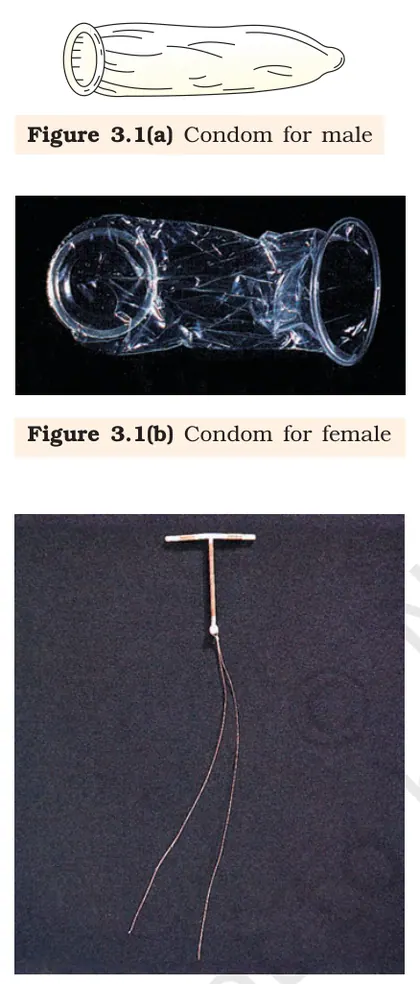
- Male condom: Thin sheath (latex, polyurethane). Prevents sperm entry and reduces STI transmission risk.
- Female condom: Inner/outer ring sheath placed in vagina; protects against pregnancy and some STIs.
- Diaphragm and cervical cap: Dome placed over cervix, used with spermicide; reusable and used only when needed.
3. Intrauterine Devices (IUDs)
- Copper IUD (e.g., CuT): T-shaped device releasing copper ions that are spermicidal and prevent implantation — long-term (5–10 years depending on type).
- Hormonal IUD (levonorgestrel releasing): Thickens cervical mucus, suppresses endometrium and ovulation partially; long-acting and reversible (3–5 years).
4. Hormonal methods
- Combined oral contraceptive pills (COCs): Contain estrogen + progestin; inhibit ovulation, thicken cervical mucus and alter endometrium. Taken daily.
- Progestin-only pills (mini-pills): Useful when estrogen contraindicated.
- Injectables (e.g., depot medroxyprogesterone): Given every 2–3 months; suppress ovulation.
- Implants (subdermal e.g., etonogestrel implant): Single-rod placed under skin; long-acting (3+ years) and highly effective.
5. Chemical spermicides
- Foams, gels, suppositories containing nonoxynol-9; inactivate or kill sperm in the vagina. Often used with barrier methods to improve efficacy.
6. Emergency contraception
- Levonorgestrel pill: Taken as soon as possible after unprotected intercourse (up to 72 hours, effectiveness declines with time).
- Ulipristal acetate: More effective up to 120 hours.
- Copper IUD: Can be used as emergency contraception if inserted within 5 days.
7. Surgical methods (Sterilization)
- Male sterilization — Vasectomy: Cutting/ligating vas deferens; outpatient, permanent, highly effective.
- Female sterilization — Tubectomy (tubal ligation): Blocking/cutting the uterine tubes; permanent and highly effective.
Mechanisms of action (summary)
- Prevent sperm from reaching egg: barriers, IUD copper (spermicidal), spermicides.
- Prevent ovulation: combined pills, injectables, implants.
- Alter cervical mucus & endometrium to prevent fertilization/implantation: progestins, hormonal IUDs.
- Permanent interruption of gamete transport: sterilization.
Advantages & Limitations (brief)
- Natural methods: no medical side effects but lower effectiveness in typical use.
- Barrier methods: protect against STIs (male condom best), user-dependent.
- IUDs & implants: very effective, long-acting, reversible (except IUD may increase menstrual bleeding [copper] or reduce it [hormonal]).
- Hormonal methods: reliable when used correctly; may have side effects (nausea, spotting, thromboembolism risk with estrogen in some women).
- Surgical sterilization: permanent and highly effective; requires counselling and consent.
Contraceptive counseling points
- Choose based on age, desire for future fertility, health conditions, STI risk and reliability needed.
- Use condoms in combination with other methods for STI protection.
- Emergency contraception is not regular contraception; seek follow-up and consider ongoing method.
Contraceptive failure and measurement
Effectiveness is often given as typical-use and perfect-use percentages. A common epidemiological measure is the Pearl Index (pregnancies per 100 women-years of exposure), explained below.
- Male condom — barrier method; also reduces STI transmission (approx. 85% typical-use effectiveness).
- Combined oral contraceptive pill (OCP) — hormonal; prevents ovulation (approx. 91% typical-use, ~99% perfect-use).
- Copper-T (CuT) IUD — intrauterine; long-acting reversible (effective >99%).
- Levonorgestrel emergency pill — taken within 72 hours after unprotected sex to reduce pregnancy risk.
- Subdermal implant (e.g., Implanon) — progestin implant, effective for ~3 years (>99% effectiveness).
- Vasectomy — surgical male sterilization, permanent (>99% effective).
- Pearl Index = (Number of pregnancies × 12 × 100) / (Total months of exposure by women). // gives pregnancies per 100 woman-years.
- Alternative Pearl Index form: Pearl Index = (Number of pregnancies × 1200) / (Number of women × months of exposure).
- Contraceptive effectiveness (%) ≈ (1 − failure rate) × 100. // e.g., if failure rate = 0.02, effectiveness = 98%.
- Conversion: pregnancies per 100 women-years = (pregnancies / women-years) × 100.
Natural Methods of Contraception
Overview: Natural methods of contraception (also called fertility awareness methods) rely on identifying a woman’s fertile and infertile days and avoiding unprotected intercourse during fertile days, or on behavioral methods (abstinence/withdrawal). They do not involve hormones, devices or surgery.
Common natural methods:
- Calendar (Rhythm / Ogino–Knaus) method: Based on past menstrual cycle lengths to estimate the fertile window. Requires recording cycle lengths for 6–12 months. Couples avoid intercourse during estimated fertile days.
- Basal Body Temperature (BBT) method: Measure body temperature each morning before getting out of bed. After ovulation BBT rises by about 0.3–0.5 °C due to progesterone; the low pre-ovulatory phase (follicular) is followed by a sustained higher post-ovulatory (luteal) phase. The fertile period ends after observing 3 consecutive higher temperatures.
- Cervical mucus (Billings) method: Monitor changes in cervical mucus: dry/sticky (infertile) → more stretchy, clear, egg-white (most fertile) → thick/opaque after ovulation (infertile).
- Sympto-thermal method: Combines BBT, cervical mucus and other signs (e.g., cervical position) to improve accuracy.
- Lactational Amenorrhea Method (LAM): Breastfeeding suppresses ovulation. LAM is effective if three conditions are met: exclusive or nearly exclusive breastfeeding, the baby is less than about 6 months old, and the mother remains amenorrheic (no return of menses).
- Withdrawal (Coitus interruptus): The male withdraws the penis before ejaculation. It reduces risk of pregnancy relative to no method but is less reliable than many other methods.
- Abstinence: Complete avoidance of vaginal intercourse—100% effective for preventing pregnancy while practiced.
How they work (mechanism): These methods either avoid intercourse during the fertile window (when an ovulated egg can be fertilized) or use behaviors that prevent sperm reaching the egg. Fertility signs (cycle timing, mucus, temperature) reflect underlying hormonal changes (FSH, LH, estrogen, progesterone).
Advantages: No drugs or devices, low cost, no side effects from hormones, acceptable for those with religious or personal objections to artificial methods.
Disadvantages and limitations: Require motivation, training and careful record-keeping; less reliable with irregular cycles; no protection against STIs; typical-use failure rates are higher than many modern contraceptives; effectiveness depends on correct and consistent use.
Effectiveness (approximate ranges): With perfect use, fertility-awareness methods (sympto-thermal) can have low failure (around 1–5% per year). Typical-use failure rates are higher: calendar/rhythm ~12–24%/year, withdrawal ~20–22%/year, LAM <2% if all conditions met for first 6 months. (Values are approximate and depend on user behaviour and source.)
When to choose/avoid: Natural methods can be suitable for motivated couples with regular cycles and no need for STI protection. They are unsuitable when reliability must be high, cycles are irregular, or when STI protection is needed.
Summary: Natural contraception uses observation of fertility signs or behavioral control to prevent pregnancy. They are low-cost and side-effect free but require discipline, are user-dependent, and do not protect against sexually transmitted infections.
- A woman records her menstrual cycles for 12 months and finds her shortest cycle was 26 days and longest 30 days. Using the calendar method she estimates fertile days to avoid each month (see formulas).
- A couple practices the sympto-thermal method: the woman measures BBT every morning and tracks cervical mucus. After seeing three consecutive higher BBT readings and a change from egg-white mucus to thick mucus, they consider the fertile window closed.
- A mother exclusively breastfeeding her 4-month-old, who has not had her period return, uses LAM and understands she must switch to another method when the baby reaches 6 months, feeding becomes less frequent, or her menses return.
- A couple uses withdrawal consistently, with the male withdrawing before ejaculation, aware this is less reliable and offers no STI protection.
- Ogino–Knaus (calendar) method: First fertile day = (shortest cycle length) − 18; Last fertile day = (longest cycle length) − 11. Example: shortest = 26 → 26 − 18 = day 8; longest = 30 → 30 − 11 = day 19; fertile window ≈ day 8 to day 19 of cycle.
- Basal body temperature rule of thumb: BBT rises by ≈ 0.3–0.5 °C after ovulation; consider ovulation occurred the day before the first sustained temperature rise.
- LAM guideline (conditions for effectiveness): Exclusive breastfeeding + amenorrhea (no menses) + infant < ~6 months.
Barrier Methods
Definition: Barrier methods of contraception prevent sperm from reaching the ovum by creating a physical or chemical barrier at the entrance to the female reproductive tract. They are non-hormonal and act at the time of intercourse.
Types:
- Mechanical barriers: Male condom, female condom, diaphragm, cervical cap, contraceptive sponge. These physically block sperm.
- Chemical barrier: Spermicides (creams, gels, foams, films) that immobilize or kill sperm. Often used together with mechanical barriers (e.g., diaphragm + spermicide).
How they work: A barrier method either (a) blocks passage of sperm into the cervix (condoms, diaphragm, cap, sponge) or (b) immobilizes/destroys sperm (spermicides). Some methods combine both actions (sponge contains spermicide).
Usage (brief): Male condom: unroll over erect penis before any genital contact. Female condom: inserted into the vagina before intercourse. Diaphragm/cap: fitted over the cervix (must be used with spermicide and left in place for specified time after intercourse). Sponge: inserted to cover cervix and left for recommended time.
Effectiveness: Measured as failure rate (pregnancies per year) and commonly expressed by the Pearl Index or as typical vs. perfect use. Typical-use failure is higher than perfect-use. Barrier methods generally have moderate effectiveness; effectiveness improves when combined (e.g., condom + spermicide).
Advantages: Non-hormonal, usually fewer systemic side effects, many provide on-demand protection, male condoms reduce transmission of STIs including HIV, easily reversible, widely available.
Disadvantages & cautions: Some user-dependence (correct and consistent use required), possible breakage/slippage (condoms), no or limited protection from STIs for methods other than condoms, possible allergic reaction to latex (use polyurethane or polyisoprene alternatives), diaphragms require fitting and may increase risk of urinary tract infection for some women, spermicides (nonoxynol-9) may increase risk of HIV transmission with frequent use.
When chosen: Suitable for those who prefer non-hormonal methods, want immediate return to fertility, or need STI protection (male condom).
Practical points & safe use tips:
- Check expiry date and integrity (no holes) before use.
- Use water-based or silicone lubricants with latex condoms; avoid oil-based lubricants (can degrade latex).
- If using a diaphragm or cap, follow timing instructions (insert before intercourse, leave in place for the required time after intercourse).
- Dispose of condoms properly (wrap and throw in trash); do not flush.
- Male condom: thin sheath worn over the erect penis; reduces pregnancy risk and protects against most STIs including HIV.
- Female condom: sheath inserted into the vagina; provides both pregnancy and partial STI protection.
- Diaphragm: dome-shaped rubber cup placed over the cervix, used with spermicide; fits under the pubic bone and must be left in place after intercourse.
- Cervical cap: smaller than a diaphragm, fits tightly over the cervix; used with spermicide.
- Contraceptive sponge: foam sponge containing spermicide that covers the cervix; single-use and provides on-demand protection.
- Spermicides: chemical agents (creams, gels, foams, films) inserted into the vagina before intercourse to immobilize sperm; best used with a mechanical barrier.
- Pearl Index = (Number of pregnancies × 1200) / (Number of women × months of exposure). // gives pregnancies per 100 women-years
- Effectiveness (%) = (1 − failure rate) × 100
- Combined failure rate (independent methods) = 1 − (1 − f1) × (1 − f2). // f1 and f2 are failure probabilities (as decimals) for each method
- Cumulative pregnancy probability over n months = 1 − (1 − p)^n, where p is monthly pregnancy probability.
Intrauterine Contraceptive Devices (IUCD/IUD)
Definition
An intrauterine contraceptive device (IUCD or IUD) is a small, T‑shaped or framed device inserted into the uterine cavity to prevent pregnancy. IUCDs are long‑acting reversible contraceptives (LARCs) and can be non‑hormonal (copper) or hormonal (levonorgestrel‑releasing).
Types
- Copper IUCDs (Cu‑IUD): e.g., CuT 380A, copper coils. They release copper ions that are toxic to sperm.
- Hormonal IUCDs (LNG‑IUS): e.g., Mirena, release levonorgestrel locally to thicken cervical mucus, thin the endometrium, and reduce sperm transport.
Mechanism of action
- Local inflammatory reaction in the endometrium that is spermicidal and prevents implantation.
- Copper ions reduce sperm motility and viability (for Cu‑IUD).
- Levonorgestrel thickens cervical mucus, inhibits sperm entry, and makes the endometrium unsuitable for implantation (for LNG‑IUS).
- Generally does not act systemically (especially Cu‑IUD) and is not abortifacient — it prevents fertilization primarily.
When and how inserted
- Inserted by a trained clinician during the menstrual cycle (often within 7 days of onset), postpartum, or after termination of pregnancy (timing varies by protocol).
- Strings are left protruding into the upper vagina so the user or clinician can check placement; removal is done by the clinician pulling the strings.
Duration and effectiveness
- CuT 380A: effective up to 10 years (guidelines may vary by product and country).
- Levonorgestrel IUS (e.g., Mirena): typically effective 3–5 years (product dependent).
- Failure rates are very low compared with short‑term methods; annual pregnancy rates for modern IUDs are typically <1% with correct insertion.
Advantages
- Highly effective, long‑acting, reversible, low maintenance.
- Rapid return to fertility after removal.
- Copper IUDs are hormone‑free; LNG‑IUS reduces menstrual bleeding and dysmenorrhoea for many users.
Disadvantages and side effects
- Menstrual changes: Cu‑IUD may increase menstrual bleeding and cramps; LNG‑IUS often reduces bleeding (may cause spotting initially).
- Pain and cramping during insertion; small risk of perforation of the uterine wall at insertion.
- Increased risk of pelvic inflammatory disease (PID) mainly in the first 20 days if an infection is introduced at insertion; longstanding increased PID risk is not typical unless exposed to sexually transmitted infections.
- Possible expulsion (device partly or completely expelled) in some users.
Contraindications
- Known or suspected pregnancy.
- Current pelvic infection (PID) or sexually transmitted infection until treated.
- Unexplained vaginal bleeding, distorted uterine cavity or certain uterine anomalies, active cervical or endometrial cancer.
- Allergy to device components (e.g., copper allergy for Cu‑IUD); for LNG‑IUS avoid in active breast cancer.
Special uses
- Copper IUD may be used as the most effective emergency contraception if inserted within 5 days after unprotected intercourse.
- Can be inserted immediately postpartum or after abortion (local protocols apply).
Follow up and user checks
- Check strings after each menstrual period or monthly for first 3 months; seek clinician if strings are not felt or if abnormal pain/bleeding occurs.
Public health role
IUCDs are important for family planning because they provide long‑term contraception with high efficacy and low ongoing cost, reducing unintended pregnancies and maternal risk when widely available and used appropriately.
Key points to remember
- IUCD = long‑acting, reversible, clinician‑inserted method.
- Copper acts spermicidally; levonorgestrel acts hormonally to prevent sperm passage and alter the endometrium.
- Very effective (<1% failure/year) but insertion must be by trained personnel and contraindications screened.
- CuT 380A — a copper T device commonly used for up to 10 years of contraception.
- Mirena (levonorgestrel intrauterine system) — a hormonal IUS effective for about 3–5 years, often reduces menstrual bleeding.
- Postcoital emergency insertion example: a woman presents within 72–120 hours after unprotected intercourse; a copper IUD is inserted as emergency contraception to prevent pregnancy.
- Postpartum insertion example: Immediately after placenta delivery in a hospital, a trained clinician inserts an IUD for long‑term contraception before discharge (when appropriate).
- Pearl Index (conventional): Pearl Index = (number of pregnancies × 1200) / (number of women × months of exposure). This gives pregnancies per 100 woman‑years.
- Alternative simple rate (woman‑years): Pregnancy rate per 100 woman‑years = (number of pregnancies / total woman‑years of exposure) × 100.
- Effectiveness (%) = (1 − failure rate) × 100. Example: if annual failure rate = 0.8% ⇒ Effectiveness ≈ (1 − 0.008) × 100 = 99.2%.
- Sample calculation: 3 pregnancies observed in a study of 600 women followed for 12 months. Pearl Index = (3 × 1200) / (600 × 12) = 3600 / 7200 = 0.5 pregnancies per 100 woman‑years (0.5% per year).
Chemical and Spermicidal Methods
Overview
Chemical methods of contraception use chemicals (hormonal or topical agents) to prevent pregnancy. In CBSE Class 12 this mainly covers: (a) hormonal contraceptives (oral pills and emergency contraceptives) and (b) spermicidal methods (vaginal creams, jellies, foams, suppositories and films).
Spermicidal methods — description and mechanism
- Spermicides are topical agents placed in the vagina before intercourse. Common forms: creams, gels, foams, suppositories and films. They are often used together with barrier methods (diaphragm, cervical cap, condoms) to improve effectiveness.
- Active agents: commonly nonoxynol‑9 (a surfactant) or quaternary ammonium compounds. Mechanism: surfactants disrupt the sperm plasma membrane and immobilize or kill sperm, preventing them from reaching the egg.
- How to use: insert spermicide into the vagina near the cervix shortly before intercourse (follow product instructions for time-to-effect and duration). Many spermicides require re‑application before repeated intercourse.
Hormonal (chemical) contraceptives
- Oral contraceptive pills (combined pills and progestin‑only pills): contain synthetic estrogen (usually ethinylestradiol) and a progestin (e.g., levonorgestrel) or only progestin. Primary mechanisms: suppression of ovulation via negative feedback on the hypothalamic–pituitary–ovarian axis, thickening of cervical mucus (impeding sperm passage), and altering endometrial lining (reducing implantation likelihood).
- Emergency contraceptive pills (ECP): high‑dose progestin (commonly levonorgestrel 1.5 mg single dose or 0.75 mg × 2 doses 12 hours apart) or combined regimens. Main action: delay or inhibit ovulation and may interfere with fertilization; they are not effective once implantation has occurred. Most effective when taken as soon as possible after unprotected intercourse (efficacy declines with time; usually recommended within 72 hours, some regimens up to 120 hours).
Effectiveness and safety
- Spermicides alone: lower effectiveness compared to hormonal methods or IUDs. Typical‑use pregnancy rates are higher (use consistently with barrier methods for better protection).
- Oral pills: very effective with correct, consistent use (typical‑use effectiveness lower than perfect use). Side effects can include nausea, irregular bleeding, weight changes, and in rare cases increased risk of thromboembolism (especially in smokers over 35 or those with predisposing conditions).
- Spermicides (nonoxynol‑9) can cause local irritation; repeated use may increase susceptibility to sexually transmitted infections due to mucosal irritation, so they are not recommended as sole protection against STIs. Hormonal methods do not protect against STIs.
Advantages
- Spermicides: over‑the‑counter, inexpensive, controlled by user, useful as emergency adjunct with barrier methods.
- Oral pills: highly effective contraception when taken correctly; some provide non-contraceptive benefits (regulation of menstrual cycles, reduced menstrual cramps, decreased risk of some cancers).
Disadvantages
- Spermicides: lower standalone effectiveness; possible vaginal irritation; no STI protection.
- Hormonal pills: require regular intake (daily for combined pills), possible systemic side effects and contraindications (e.g., smoking + age >35, thrombotic disorders). ECPs are for emergency use only and not a routine contraceptive.
CBSE exam‑style points to remember
- Spermicides act by damaging sperm membrane (surfactant action).
- Oral pills act mainly by suppressing ovulation via negative feedback on FSH/LH secretion.
- Emergency contraception delays ovulation and is time‑sensitive; it is not an abortifacent (does not terminate an established pregnancy).
- Spermicidal jelly or foam containing nonoxynol‑9 used with a diaphragm before intercourse.
- Combined oral contraceptive pill containing ethinylestradiol + levonorgestrel taken daily to prevent ovulation.
- Emergency contraceptive pill (single dose levonorgestrel 1.5 mg) taken within 72 hours after unprotected intercourse.
- Spermicidal suppository (foam or tablet) inserted into the vagina ~10–15 minutes before intercourse.
- Pearl Index = (Number of pregnancies × 1200) / (Number of women × months of exposure)
- Percent effectiveness ≈ (1 − failure rate) × 100
- Ethinylestradiol (common synthetic estrogen) chemical formula: C20H24O2
- Levonorgestrel (a commonly used progestin) chemical formula: C21H28O2
- Typical emergency contraceptive regimens: levonorgestrel 1.5 mg single dose OR 0.75 mg × 2 doses 12 hours apart
Hormonal Methods of Contraception
What they are
Hormonal methods of contraception use synthetic steroid hormones (oestrogen and/or progestin) to prevent pregnancy by altering the normal female reproductive physiology: preventing ovulation, thickening cervical mucus to block sperm, and changing the endometrium to reduce implantation chance.
Main types
- Combined oral contraceptive pills (COCs): contain an oestrogen (usually ethinylestradiol) + a progestin (e.g., levonorgestrel).
- Progestin-only pills (mini‑pills): contain only a progestin (e.g., norethindrone, levonorgestrel).
- Injectables: e.g., depot medroxyprogesterone acetate (DMPA), given every 2–3 months.
- Implants: subdermal progestin implant (e.g., etonogestrel), effective for several years.
- Hormonal intrauterine device/system (LNG‑IUS): levonorgestrel‑releasing IUD placed in uterus (3–5+ years).
- Transdermal patch and vaginal ring: combined hormones delivered through skin or vaginal mucosa (weekly patch or 3‑week ring).
- Emergency hormonal contraception (EHC): high‑dose levonorgestrel or ulipristal acetate used after unprotected intercourse to reduce risk of pregnancy.
Mechanisms of action (primary)
- Suppression of ovulation: combined methods suppress the midcycle LH surge via negative feedback on the hypothalamic–pituitary–ovarian axis.
- Cervical mucus thickening: progestin increases viscosity of cervical mucus, blocking sperm entry.
- Endometrial changes: progestin renders the endometrium less receptive to implantation.
Effectiveness (typical estimates)
Effectiveness varies by method and by perfect vs typical use. Approximate yearly failure rates (pregnancies per 100 women per year): implants & LNG‑IUS & sterilization & pills (perfect use) & injectables (see examples below). These are approximate; consult up‑to‑date clinical sources for precise figures.
Advantages
- Very effective (especially implants and hormonal IUDs) when used correctly.
- Reversible fertility after stopping (except that injectables may delay return to fertility for months).
- Non-contraceptive benefits: reduced menstrual bleeding, reduced dysmenorrhea, lower risk of ovarian and endometrial cancer for some methods.
Limitations & common side effects
- Side effects: nausea, breast tenderness, irregular bleeding, mood changes, weight changes.
- Risks and contraindications: combined methods increase risk of venous thromboembolism in predisposed women (smoking, age >35, thrombophilia). Some health conditions contraindicate oestrogen use.
- Drug interactions: certain antibiotics, anticonvulsants, and herbal remedies (e.g., St John’s wort) can reduce hormonal contraceptive effectiveness.
Clinical & practical notes
Choice of method depends on medical history, desire for long‑term contraception, tolerability of hormones, and user preference. Emergency hormonal contraception should be used as soon as possible after unprotected sex (effectiveness declines with time).
- Combined oral pill (COC): Ethinylestradiol + levonorgestrel taken daily in 21/7 or 24/4 regimens to suppress ovulation and alter cervical mucus.
- Progestin-only pill (mini‑pill): Norethindrone taken daily; used by breastfeeding mothers or when oestrogen is contraindicated.
- Injectable contraceptive: Depot medroxyprogesterone acetate (DMPA) injection every 12–13 weeks.
- Implant: Subdermal etonogestrel implant (e.g., Implanon/Nexplanon) that releases progestin for 3 years (approx).
- Hormonal IUD/LNG‑IUS: Levonorgestrel‑releasing intrauterine system that provides 3–5+ years of contraception and often reduces menstrual bleeding.
- Transdermal patch or vaginal ring: Combined hormones delivered systemically (weekly patch; 3‑week ring with 1 week off).
- Pearl Index (pregnancies per 100 women‑years) = (Number of pregnancies × 1200) / (Number of women × months of exposure)
- Women‑years failure rate (%) = (Number of pregnancies / total women‑years of exposure) × 100
- Effectiveness (%) = (1 − failure rate) × 100 — e.g., if failure rate = 0.5% per year, effectiveness ≈ 99.5%.
Emergency Contraception
Emergency Contraception
Definition: Emergency contraception (EC) refers to methods used to prevent pregnancy after unprotected intercourse or contraceptive failure (e.g., condom break, missed pills). EC is a backup measure and not intended for routine contraception.
Types
- Oral emergency contraceptive pills (ECPs):
- Levonorgestrel (LNG) 1.5 mg single dose — most effective if taken as soon as possible, ideally within 72 hours.
- Ulipristal acetate (UPA) 30 mg — effective up to 120 hours (5 days) after intercourse and generally more effective than LNG when taken later.
- Combined estrogen–progestin pills (higher side effects) — used less commonly.
- Copper intrauterine device (Cu-IUD): Can be inserted up to 5 days after unprotected intercourse (or within 5 days of ovulation) and provides >99% effectiveness plus ongoing contraception.
Mechanism of action
- Delay or inhibit ovulation (primary action for LNG and UPA).
- Alter cervical mucus and tubal motility, reducing sperm transport.
- Copper IUD creates a hostile environment for sperm and prevents fertilisation; it may also prevent implantation.
Time window & effectiveness (approximate)
- LNG pills: most effective within 24 hours; effective up to 72 hours. Relative reduction in pregnancy risk ranges broadly (commonly cited ~75–89% depending on timing and studies).
- UPA pill: effective up to 120 hours; maintains higher efficacy than LNG when taken later within the 120-hour window.
- Copper IUD: >99% effective when inserted within 5 days — most reliable EC option and provides ongoing contraception.
Side effects & contraindications
- Common side effects: nausea, vomiting, dizziness, breast tenderness, irregular bleeding. Vomiting within 2 hours of pill may require repeat dose.
- Contraindications are few; copper IUD is contraindicated in active pelvic infection or unexplained vaginal bleeding. UPA and LNG should be used with medical advice in some chronic conditions—counsel before use when possible.
Counselling & public health points
- EC does not protect against sexually transmitted infections (STIs).
- EC is most effective the sooner it is used — reduce delays. Copper IUD is recommended when ongoing contraception is desired or when very high efficacy is required (eg. rape, multiple acts of unprotected sex).
- EC should be available and explained as part of reproductive health services; it is not an abortifacient (it prevents pregnancy rather than terminating an established pregnancy).
Takeaway: Emergency contraception is a time‑sensitive, effective option to prevent pregnancy after unprotected sex. Choice depends on how long since intercourse, medical suitability, and whether future ongoing contraception is desired.
- A condom broke during intercourse. The woman takes a levonorgestrel pill within 18 hours to reduce the chance of pregnancy.
- A couple missed several combined oral contraceptive pills and had unprotected sex 48 hours earlier. The woman contacts a clinic and is offered ulipristal acetate (within 120 hours) or a copper IUD for emergency and ongoing contraception.
- After sexual assault, a survivor visits a hospital within 72 hours; clinicians offer emergency contraception (ECP) immediately and discuss STI prophylaxis, counselling, and the option of a copper IUD.
- Failure rate (%) = (Number of pregnancies after EC ÷ Number of women who used EC) × 100. Example: if 5 pregnancies occur among 500 women who took EC, failure rate = (5/500)×100 = 1%.
- Effectiveness (%) ≈ (1 − Failure rate) × 100. Using the example above: Effectiveness ≈ (1 − 0.01)×100 = 99%.
- Pearl Index (general contraception measure) = (Number of pregnancies × 12 ÷ total woman‑years of exposure) × 100 = pregnancies per 100 woman‑years. (Used for comparing long‑term methods, not ideal for single‑use EC.)
Surgical Methods / Sterilization
Definition: Surgical sterilization is a permanent method of contraception achieved by surgically interrupting the reproductive tract to prevent fertilization. The two common methods are male sterilization (vasectomy) and female sterilization (tubectomy or tubal ligation).
How they work (mechanism): Both procedures physically block or cut the passage of gametes — vasectomy interrupts the vas deferens to stop sperm entering the ejaculate; tubectomy blocks or removes part of the fallopian tubes to prevent the egg and sperm from meeting.
Male sterilization — Vasectomy (brief procedure):
- Usually performed under local anaesthesia as an outpatient procedure.
- The vas deferens on each side is located, cut and a small segment removed or occluded (ligation, cauterization, clips) and the ends sealed.
- Recovery is quick (a few days). Sexual function and hormone levels are not significantly affected.
- Contraception is not immediate — alternate protection needed until semen analysis confirms azoospermia (often several weeks or 20–30 ejaculations).
- Effectiveness: very high (>99%). Typical failure rates are around 0.1–0.3%.
Female sterilization — Tubectomy / Tubal ligation (brief procedure):
- Performed under regional or general anaesthesia. Methods include laparoscopy (most common), minilaparotomy (often postpartum) or transcervical approaches in some settings.
- Fallopian tubes are cut, tied, clipped or cauterized. The aim is to prevent the egg and sperm from meeting.
- Recovery varies with the surgical approach (laparoscopy: faster; open surgery: longer).
- Effectiveness: very high (~99%), with lifetime failure rates somewhat higher than vasectomy (typical failure ~0.5–1.5% over many years depending on method and patient age).
Advantages:
- Permanent, highly effective contraception for people who have completed their families.
- One-time procedure — avoids long-term daily/ongoing methods and their compliance issues.
Disadvantages & risks:
- Intended to be permanent — reversal is difficult, expensive and not always successful (vasectomy reversal more likely to succeed than tubal reversal, success declines with time).
- Possible surgical risks: infection, bleeding, pain; specific risks: chronic scrotal pain or sperm granuloma (vasectomy), ectopic pregnancy if tubal sterilization fails.
- Does not protect against sexually transmitted infections (STIs).
Counselling & informed consent: Sterilization requires careful counselling about permanence, alternatives, timing (e.g., ideally after desired family size achieved), and post-procedure follow-up (semen analysis after vasectomy). It should be voluntary and documented with informed consent.
When considered appropriate: For individuals/couples who want a permanent solution after completing childbearing and who understand the risks and implications.
Summary points:
- Vasectomy: quick outpatient surgery, >99% effective, reversible with variable success.
- Tubectomy: laparoscopic or open surgery, ~99% effective, reversal difficult and less successful than vasectomy.
- Both require counselling, informed consent and post-op follow-up; neither protects against STIs.
- A couple with two grown children choose tubectomy after counselling; the woman undergoes laparoscopic tubal ligation and recovers in a few days, relying on the permanent protection against pregnancy.
- A man decides on vasectomy after discussing options with his partner; the outpatient vasectomy is done under local anesthesia, and they use condoms until two semen tests show no sperm.
- Public health example: voluntary sterilization services offered at government clinics (with counselling and consent) contribute to contraceptive choices in family planning programmes.
- Effectiveness (%) = (1 - (number of pregnancies among users / number of users)) × 100
- Expected pregnancies = number of users × failure rate (e.g., 1,000 users × 0.005 failure = 5 expected pregnancies)
- \[Approximate survival model (if constant hazard λ): Probability of no failure by time t\]\[S(t) = e^{−λt} (useful for modelling cumulative failure when hazard is roughly constant)\]
Medical Termination of Pregnancy (MTP)
Definition: Medical Termination of Pregnancy (MTP), also called induced abortion, is the intentional termination of a pregnancy by medical or surgical methods. It is performed to protect the health of the mother, in cases of fetal abnormality, or when a pregnancy is unwanted. Safe, legal and timely MTP reduces maternal morbidity and mortality from unsafe abortions.
Types / Methods:
- Medical (drug) abortion: Uses medications to terminate an early pregnancy (usually up to 7–9 weeks; many guidelines allow to 9 weeks/63 days). The most common regimen is: mifepristone 200 mg orally followed 24–48 hours later by misoprostol (commonly 400 mcg sublingual/buccal or 800 mcg vaginal, depending on protocol). This causes detachment of the embryo and uterine contractions to expel contents.
- Surgical abortion:
- Manual Vacuum Aspiration (MVA) or suction curettage: commonly used in first trimester (up to ~12–14 weeks).
- Dilatation and Evacuation (D&E): used in the second trimester.
- Dilatation & Curettage (D&C): older technique, still used in some settings.
When and why MTP is done (indications): maternal health risk (physical or mental), pregnancy from rape or incest, severe fetal malformations incompatible with life, contraceptive failure, or socio-economic reasons. Emergency intervention may be needed for threatened miscarriage or incomplete abortion.
Contraindications / Cautions: Ectopic pregnancy (not a candidate for routine MTP), known allergy to drugs used (mifepristone/misoprostol), certain bleeding disorders, or cases where gestational age is beyond the safe window for the chosen method. Clinical assessment and ultrasound (to confirm intrauterine pregnancy and gestational age) are important.
Legal framework (India, short overview): India’s MTP Act (1971) and subsequent amendments regulate conditions for legal abortion. Key points: a registered medical practitioner must perform MTP; opinion of one doctor is required for termination up to a specified gestational limit and two doctors for higher specified limits. Recent amendments expanded gestational limits for certain special categories (e.g., survivors of sexual assault, minors, fetal abnormalities) — clinical & legal rules vary by jurisdiction, so practitioners and patients should follow current national/state guidelines.
Procedure & immediate care:
- Pre-procedure: counselling, informed consent, history, exam, ultrasound to confirm location & gestational age, blood group and Rh typing (give anti-D if Rh-negative), treat infections if present.
- During procedure: for medical abortion, follow drug regimen and observe for bleeding/cramping; for surgical, perform under appropriate analgesia/anesthesia with aseptic technique.
- Post-procedure: monitor for bleeding, pain, signs of infection; give analgesics and antibiotics if indicated; counselling and initiation of contraception to prevent repeat unintended pregnancy.
Complications and warning signs: incomplete abortion (continued bleeding/pain), heavy hemorrhage, infection/sepsis (fever, foul discharge), uterine perforation (rare with surgical), injury to cervix or uterus. Seek immediate care if heavy bleeding, high fever, severe abdominal pain, or passage of large tissue.
Ethical and social aspects: MTP raises ethical, cultural and legal issues. Sex-selective abortion is illegal. Confidential, non-judgmental counselling, respect for the woman’s autonomy, and access to safe services are central to reproductive health.
Prevention of unintended pregnancy: Promote and provide access to effective contraception (barrier methods, oral contraceptives, IUCDs, emergency contraception, implants) and sexual education to reduce demand for MTP.
Key takeaways: Safe MTP performed by trained providers within recommended gestational limits and follow-up reduces maternal risk. Choice of method depends on gestational age, medical condition, availability and patient preference. Counselling, informed consent, contraception and follow-up care are integral to good practice.
- A 24-year-old woman has a positive pregnancy test and her last menstrual period (LMP) was 6 weeks ago. She consults a doctor and chooses medical abortion. She takes mifepristone 200 mg orally and 24–48 hours later takes misoprostol as advised. She passes pregnancy tissue at home with cramping and bleeding and returns for a follow-up ultrasound after 1–2 weeks to confirm completion.
- A woman presents at 16 weeks gestation with an unintended pregnancy. After counselling, she undergoes a second-trimester surgical termination (D&E) at a registered facility under anesthesia. She is given post-procedure contraception (insertion of an IUD) before discharge.
- A case of fetal abnormality detected on ultrasound at 22 weeks. As per legal/clinical protocols, the decision for termination requires evaluation by two qualified doctors and a medical board where applicable. Termination is done in a registered facility with appropriate informed consent and counseling.
- Calculating gestational age: If LMP = 1 March and today is 17 April, gestational age in weeks = (17 April – 1 March) / 7 = 47 days / 7 ≈ 6.7 weeks (about 6 weeks + 5 days).
- Gestational age (weeks) = (Date of termination − Date of LMP in days) / 7
- Success rate (%) = (Number of successful terminations / Total procedures performed) × 100
- Naegele's rule (estimate Expected Date of Delivery): EDD = LMP + 280 days (or LMP + 7 days − 3 months + 1 year)
Reproductive Tract Infections (RTIs) and Sexually Transmitted Diseases (STDs)
Definition and scope
Reproductive Tract Infections (RTIs) are infections of the male or female reproductive tract. RTIs include infections transmitted through sexual contact (Sexually Transmitted Diseases or STDs), infections caused by overgrowth of organisms normally present in the reproductive tract (endogenous), and infections introduced accidentally through medical procedures (iatrogenic).
Types and causes
- Sexually transmitted (STDs): caused by bacteria, viruses, protozoa or fungi transmitted primarily by sexual contact. Common examples: Gonorrhoea (Neisseria gonorrhoeae), Syphilis (Treponema pallidum), Chlamydia (Chlamydia trachomatis), Genital herpes (Herpes simplex virus), Human papillomavirus (HPV), and HIV.
- Endogenous RTIs: arise from overgrowth of normal flora or imbalance, e.g. bacterial vaginosis (Gardnerella, mixed anaerobes) and candidiasis (Candida spp.).
- Iatrogenic RTIs: introduced through medical interventions like poorly performed abortion, unsterile instruments, or intrauterine devices.
Clinical features
Symptoms vary by site and agent. Common features include vaginal or urethral discharge, lower abdominal pain, dysuria, genital ulcers or warts, abnormal bleeding, fever and sometimes no symptoms (asymptomatic infections).
Complications
Untreated RTIs/STDs can lead to pelvic inflammatory disease (PID), infertility (tubal blockage), ectopic pregnancy, chronic pelvic pain, adverse pregnancy outcomes (miscarriage, stillbirth, neonatal infection), increased risk of HIV transmission, and certain cancers (e.g., cervical cancer from persistent high-risk HPV).
Diagnosis
Diagnosis is by clinical examination, microscopic tests (wet mount, Gram stain), culture, antigen detection, and molecular tests (PCR/NAATs). In low-resource settings, WHO recommends syndromic management—treating based on symptom complexes when laboratory tests are not available.
Treatment
Bacterial RTIs are treated with appropriate antibiotics (e.g., azithromycin or doxycycline for chlamydia; ceftriaxone for gonorrhoea combined with azithromycin where recommended depending on resistance patterns). Viral RTIs are managed with antivirals (e.g., acyclovir for herpes; antiretroviral therapy for HIV). Fungal infections like candidiasis are treated with antifungals (e.g., fluconazole). Partner notification and treatment are essential to prevent reinfection.
Prevention and public health measures
Primary prevention: condom use, safe sex education, reducing number of sexual partners, male circumcision (reduces some risks), and vaccination (HPV vaccine to prevent cervical cancer; hepatitis B vaccine). Screening programs for high-risk groups and antenatal screening (HIV, syphilis) reduce mother-to-child transmission. Contact tracing and health education are key public-health strategies. Antibiotic stewardship and surveillance are important because of emerging antimicrobial resistance (e.g., multidrug-resistant gonorrhoea).
Important concepts
Asymptomatic carriage is common, especially for chlamydia and gonorrhoea, so screening is important. Syndromic management treats symptom clusters (e.g., vaginal discharge, genital ulcer disease) to provide immediate treatment when lab diagnosis is unavailable. Vaccination (HPV) is a major preventive tool that has reduced incidence of HPV infection and precancerous cervical lesions in populations with high coverage.
- A 22-year-old woman with no symptoms is found positive for Chlamydia trachomatis on screening; early treatment prevents pelvic inflammatory disease and future infertility.
- An outbreak of syphilis in a community traced to unprotected sexual contacts; treated cases plus contact tracing and education reduced new infections.
- Pregnant woman screened for HIV and started on antiretroviral therapy to reduce mother-to-child transmission to below 1% when managed appropriately.
- Introduction of HPV vaccination programs leading to measurable drops in high-risk HPV prevalence and cervical precancerous lesions among vaccinated cohorts.
- A case of recurrent bacterial vaginosis after antibiotic treatment due to disruption of normal vaginal flora, illustrating endogenous RTI dynamics.
- Prevalence (%) = (Number of existing cases at a given time / Total population at that time) × 100
- Incidence rate (per 1,000) = (Number of new cases during a time period / Population at risk during that period) × 1,000
- Basic reproduction number (R0) — conceptual: average number of secondary infections produced by one infected individual in a fully susceptible population. If R0 > 1, infection can spread; if R0 < 1, it will decline.
- Risk after intervention = Risk_before × (1 - Efficacy). Example: if condom efficacy for preventing transmission is 90% for a specific pathogen, Risk_new = Risk_before × 0.10 (use pathogen-specific efficacy estimates).
HIV/AIDS
Definition: Human Immunodeficiency Virus (HIV) is a retrovirus that infects cells of the human immune system, primarily CD4+ T lymphocytes. AIDS (Acquired ImmunoDeficiency Syndrome) is the advanced clinical stage of HIV infection, characterized by severe immunosuppression and opportunistic infections/cancers.
Agent & Types: Two main types—HIV‑1 (globally predominant) and HIV‑2 (less transmissible, largely West Africa). HIV is a lentivirus (slow virus) in the Retroviridae family; its genome is single‑stranded RNA and it uses reverse transcriptase to make DNA that integrates into host genome.
Structure & Key Features (brief): Enveloped virus with surface glycoproteins gp120 (attachment) and gp41 (fusion). Core contains two copies of RNA, reverse transcriptase, integrase, and protease. gp120 binds CD4 and a co‑receptor (CCR5 or CXCR4) to enter target cells.
Life cycle (conceptual): Attachment (gp120–CD4 ± co‑receptor) → fusion → reverse transcription (RNA → DNA) → integration into host genome (provirus) → transcription/translation of viral proteins → assembly → budding and maturation (protease‑dependent). Integration allows lifelong infection of host cells.
Pathogenesis: HIV infects and progressively depletes CD4+ T cells, impairs cell‑mediated immunity and helper functions for B cells. Chronic immune activation and direct cytopathic effects cause gradual immunodeficiency. When CD4 count falls below critical thresholds (often <200 cells/µL) or specific AIDS‑defining illnesses occur, the diagnosis of AIDS is made.
Clinical stages (typical progression):
- Acute/primary infection: 2–6 weeks after exposure; high viral load, flu‑like illness, generalized lymphadenopathy.
- Clinical latency (chronic HIV): Variable duration (years). Virus replicates at lower levels; gradual CD4 decline; may be asymptomatic or have persistent generalized lymphadenopathy.
- AIDS: Severe immunosuppression, opportunistic infections (e.g., Pneumocystis jirovecii pneumonia, TB), certain malignancies (Kaposi sarcoma, non‑Hodgkin lymphoma), and wasting.
Modes of transmission: Sexual contact (unprotected anal, vaginal, less so oral), mother‑to‑child (in utero, during delivery, or breastfeeding), exposure to contaminated blood (transfusions, shared needles), and occupational needlestick injuries. Not transmitted by casual contact.
Diagnosis: Screening by antibody/antigen tests (4th generation tests detect p24 antigen + antibodies). Confirmatory testing by Western blot (historically) or combination nucleic acid tests (NAT). Key laboratory markers: HIV viral load (copies/mL) and CD4+ T cell count (cells/µL).
Treatment: Antiretroviral therapy (ART) uses combinations of antiretroviral drugs (usually ≥3 drugs from ≥2 classes) to suppress viral replication, restore/maintain immune function and prevent transmission. Major drug classes: NRTIs, NNRTIs, PIs, integrase strand transfer inhibitors (INSTIs), entry/fusion inhibitors. Adherence is critical—high adherence achieves durable viral suppression (undetectable viral load) and reduces transmission risk to near zero (U=U: Undetectable = Untransmittable).
Prevention & reproductive health relevance:
- Safer sex practices: consistent condom use, mutual monogamy with known negative status, pre‑exposure prophylaxis (PrEP) for high‑risk HIV‑negative persons, post‑exposure prophylaxis (PEP) after potential exposure.
- Prevention of mother‑to‑child transmission (PMTCT): HIV testing in pregnancy, maternal ART during pregnancy and delivery, infant prophylaxis, and appropriate infant feeding guidance significantly reduce vertical transmission.
- Screening blood products and harm‑reduction for injection drug users (needle exchange) lower blood‑borne transmission.
Public health & social aspects: Stigma and discrimination impede testing and treatment uptake. Counselling, confidentiality, routine voluntary testing in health services, partner notification, and community education are key elements of reproductive health services addressing HIV.
Prognosis: With early diagnosis and effective ART, life expectancy of people living with HIV has increased dramatically; untreated HIV typically progresses to AIDS over several years with high morbidity and mortality.
Important notes for students: Distinguish the virus (HIV) from the clinical syndrome (AIDS); know transmission routes, diagnostic markers (CD4, viral load), basics of ART and PMTCT, and the significance of prevention strategies in reproductive health.
- Unprotected vaginal intercourse between an HIV‑positive partner not on ART and an HIV‑negative partner → possible sexual transmission; regular condom use or HIV‑positive partner on effective ART (undetectable viral load) reduces risk dramatically.
- Mother diagnosed HIV‑positive during pregnancy receives ART throughout pregnancy and delivery; infant given prophylaxis and tested—this combined approach reduces mother‑to‑child transmission risk from ~15–45% (untreated) to <2% in many programs.
- Sharing needles among intravenous drug users: one person with HIV transmits virus to others through contaminated syringes—needle‑exchange programs reduce this risk substantially.
- Blood transfusion from unscreened donor: before widespread screening, transfusions were a significant source of HIV transmission; now mandatory screening and NAT greatly reduce this risk.
- Occupational exposure: a healthcare worker experiences a needlestick with HIV‑contaminated blood—immediate PEP within hours reduces risk of seroconversion.
- Prevalence (%) = (Number of existing HIV cases / Total population) × 100
- Incidence rate = (Number of new HIV cases during period / Population at risk during period) × 1000 (or per 100,000) per time unit
- Basic reproduction (conceptual) R0 ≈ β × c × D, where β = transmission probability per contact, c = average contacts per unit time, D = duration of infectiousness
- Adherence (%) = (Number of doses taken / Number of doses prescribed) × 100
- Fold change in viral load = 10^(Δ log10 viral load); e.g., a drop from 100,000 (10^5) to 100 (10^2) copies/mL is a 10^(5−2) = 10^3 = 1000‑fold reduction
Infertility: Causes and Diagnosis
Definition: Infertility is the inability to achieve pregnancy after 12 months of regular unprotected intercourse for women under 35 years (some guidelines use 6 months for women over 35). It is classified as primary (no prior pregnancies) or secondary (after at least one prior pregnancy).
Basic epidemiology: Roughly speaking, causes are distributed approximately as: male factor ~30%, female factor ~30%, combined ~20%, and unexplained ~20% (percentages vary by population).
Major causes
- Female causes
- Ovulatory disorders: Anovulation or oligo-ovulation (e.g., PCOS, hypothalamic amenorrhoea, hyperprolactinaemia). Key sign is irregular/absent menses; diagnosis by basal body temperature, mid-luteal progesterone, LH surge tests, and serum hormones.
- Ovarian reserve decline: Age-related decrease in oocyte number/quality; measured by AMH and antral follicle count. Fertility falls markedly after age 35.
- Tubal factors: Blocked or damaged fallopian tubes from pelvic inflammatory disease (PID), past surgery, or endometriosis; tested by hysterosalpingography (HSG) or laparoscopy.
- Uterine/cervical factors: Fibroids, polyps, congenital anomalies, cervical stenosis, hostile cervical mucus.
- Endometriosis: Implants and adhesions that distort pelvic anatomy and impair ovum pickup.
- Male causes
- Spermatogenic failure: Low sperm count (oligozoospermia), poor motility (asthenozoospermia), abnormal morphology (teratozoospermia). Causes include varicocele, infections, hormonal problems, genetic issues, heat, smoking and toxins.
- Obstructive causes: Blockage of ducts (congenital or acquired) preventing sperm transport.
- Endocrine and systemic: Hypogonadism, hyperprolactinaemia, systemic illness.
- Other causes: Genetic abnormalities (e.g., Klinefelter syndrome, chromosomal translocations), immunological factors (antisperm antibodies), lifestyle factors (smoking, alcohol, obesity), and infections.
Diagnostic approach (stepwise)
- History and basic evaluation: Duration of infertility, menstrual history, sexual history (timing/frequency), prior pregnancies, surgeries, STIs, medications, lifestyle, occupational exposures.
- Physical examination: General and focused pelvic exam, male genital exam (varicocele, testicular size), secondary sexual characteristics.
- Initial tests (done early for both partners):
- Semen analysis (after 2–7 days abstinence): volume, sperm concentration, total motile sperm, motility, morphology. Repeat test recommended to confirm abnormality.
- Ovulation assessment: Cycle history, basal body temperature curve, urinary LH kits, or serum mid-luteal progesterone (>3–5 ng/mL indicates ovulation).
- Hormonal assays: For women — FSH, LH (day 2–4), estradiol, anti-Mullerian hormone (AMH) for ovarian reserve; prolactin and TSH if irregularities suspected. For men — testosterone, LH, FSH if semen abnormal or signs of endocrine disorder.
- Imaging and endoscopic tests:
- Transvaginal ultrasound: ovarian morphology, follicles, uterine anatomy, antral follicle count.
- Hysterosalpingography (HSG): assesses uterine cavity and tubal patency.
- Laparoscopy: direct visualization to diagnose endometriosis, adhesions, and tubal pathology (also therapeutic).
- Hysteroscopy: diagnosis and treatment of intrauterine pathology (polyps, fibroids).
- Special tests: Genetic testing (karyotype, Y-chromosome microdeletions), tests for infections, anti-sperm antibodies, endometrial biopsy when indicated.
Key diagnostic thresholds and laboratory reference points (commonly used values):
- Semen: volume ≥1.5 mL; sperm concentration ≥15 million/mL; total motility ≥40% (progressive ≥32%); normal morphology ≥4% (WHO 2010 guidelines).
- AMH: roughly 1.0–4.0 ng/mL considered normal reproductive age; <1 ng/mL suggests diminished ovarian reserve (labs vary).
- Day 2–4 FSH: <10 IU/L often normal; persistently >10–12 IU/L may indicate reduced ovarian reserve.
- Mid-luteal progesterone: >3–5 ng/mL indicates ovulation; >10 ng/mL typical of a robust luteal phase.
- LH:FSH ratio >2 may suggest PCOS (supportive, not diagnostic alone).
Diagnostic algorithm (summary): After 12 months of unprotected intercourse, perform semen analysis and confirm ovulation. If semen is abnormal, investigate male endocrine and genetic causes. If ovulation is absent or irregular, perform hormonal tests and treat accordingly. If ovulation and semen are normal, evaluate tubal patency (HSG) and pelvic imaging; consider laparoscopy if HSG abnormal or endometriosis suspected. When all tests are normal, label as unexplained infertility and consider assisted reproductive techniques.
Clinical relevance and counselling points: Age is a major factor — female fertility declines with age due to reduced oocyte quality and number. Lifestyle changes (stop smoking, reduce alcohol, achieve healthy weight) can improve outcomes. Early evaluation is advised for women >35 years or known risk factors.
Note: Management (medical, surgical, or assisted reproduction) follows diagnosis and is individualized — diagnosis directs appropriate therapy (e.g., ovulation induction for anovulation, surgery for tubal disease, IUI/IVF for severe male or tubal factors).
- A 32-year-old woman with irregular menses and hirsutism is diagnosed with PCOS: investigations show elevated LH:FSH ratio and anovulation. Treatment with lifestyle change and ovulation induction (letrozole) leads to pregnancy.
- A 29-year-old man with a palpable left scrotal mass and infertility has a varicocele. Semen analysis shows oligo-asthenozoospermia. Varicocele repair improves semen parameters and chances of conception.
- A 36-year-old couple with 18 months of infertility: normal semen and ovulation tests but HSG shows bilateral tubal block. Laparoscopy confirms pelvic adhesions from past PID; IVF is recommended as the best option.
- A 40-year-old woman with regular cycles but low AMH (0.4 ng/mL) and high day-3 FSH (>12 IU/L) — indicating diminished ovarian reserve and lower natural fertility; counseling offered on egg freezing or IVF with donor eggs.
- Total sperm count = semen volume (mL) × sperm concentration (million/mL). Example: 3.0 mL × 50 million/mL = 150 million total sperm.
- Motile sperm count = total sperm count × fraction motile. Example: 150 million × 0.40 = 60 million motile sperm.
- Pregnancy rate per cycle (%) = (number of pregnancies in a time period / number of cycles attempted in that period) × 100.
- Fecundability = probability of conception in one menstrual cycle. (Often estimated from population studies, no single lab formula.)
- Age-specific fertility decline (conceptual): female fertility % ≈ peak in 20s (near 100% of baseline) → gradual decline after 30 → sharper decline after 35–40. (Use empirical curves from fertility data for precise values.)
Management of Infertility and Assisted Reproductive Technologies (ART)
Management of Infertility and Assisted Reproductive Technologies (ART)
Definition of infertility: Failure to conceive after 12 months of regular unprotected intercourse (6 months if the woman is >35 years). It is classified as primary (no prior conception) or secondary (after previous conception).
Causes
- Female factors: ovulatory dysfunction (PCOS, hypothalamic amenorrhoea), tubal block (pelvic inflammatory disease, endometriosis), uterine abnormalities (fibroids, congenital malformations), age-related decline in ovarian reserve.
- Male factors: oligozoospermia (low sperm count), asthenozoospermia (poor motility), teratozoospermia (abnormal morphology), azoospermia (no sperm), genetic and endocrine disorders.
- Combined or unexplained: both partners affected or normal routine tests with no identified cause.
Diagnosis
- History and physical examination (menstrual history, sexual history, prior infections/surgeries).
- Male tests: semen analysis (count, motility, morphology), hormonal assays (FSH, LH, testosterone), genetic tests if needed.
- Female tests: ovulation confirmation (basal body temperature, mid-luteal progesterone), hormonal profile (FSH, LH, TSH, prolactin, AMH for ovarian reserve), pelvic ultrasound, hysterosalpingography (HSG) for tubal patency, laparoscopy/hysteroscopy where indicated.
General management principles
- Lifestyle modification: stop smoking, reduce alcohol, achieve normal BMI, treat STIs, address stress.
- Medical therapy: ovulation induction (clomiphene citrate, letrozole, gonadotropins) for anovulation; antibiotics for infections; hormonal therapies for endometriosis where appropriate.
- Surgical treatment: laparoscopy for endometriosis or tubal surgery, hysteroscopic removal of polyps or septa, varicocele repair for some male cases.
Assisted Reproductive Technologies (ART)
ART includes techniques that handle eggs, sperm or embryos to achieve pregnancy. Common ART methods:
- Intrauterine Insemination (IUI): Prepared (washed) sperm placed into the uterus around ovulation. Indicated for mild male factor, unexplained infertility, or cervical factor issues.
- In Vitro Fertilisation (IVF): Most widely used ART. Steps: controlled ovarian stimulation → oocyte retrieval → in vitro fertilization with sperm → embryo culture → embryo transfer into uterus. Can be combined with embryo cryopreservation.
- Intracytoplasmic Sperm Injection (ICSI): Single sperm injected directly into the oocyte; used for severe male factor infertility or previous fertilization failure in IVF.
- Gamete Intrafallopian Transfer (GIFT) and Zygote Intrafallopian Transfer (ZIFT): Gametes or zygotes placed into fallopian tube; less commonly used today.
- Donor gametes and embryos: Donor sperm or donor oocytes used when one partner's gametes are absent/unsuitable.
- Surrogacy: Another woman carries the pregnancy; may use intended parents' gametes or donor gametes according to legal/ethical regulations.
- Cryopreservation: Freezing of sperm, oocytes or embryos for later use (fertility preservation before cancer therapy, or to store surplus embryos).
Indications and choice of ART
- IUI for mild male factor, cervical issues, or unexplained infertility in younger couples.
- IVF/ICSI for tubal block, severe male factor, endometriosis affecting tubes/ovaries, advanced maternal age, or failed simpler treatments.
Risks and complications
- Ovarian hyperstimulation syndrome (OHSS) from gonadotropins (abdominal pain, ascites, rare thromboembolism).
- Multiple pregnancy (twins, triplets) with higher maternal/fetal risks; embryo number transfer guidelines aim to reduce this.
- Ectopic pregnancy risk persists.
- Emotional, ethical and legal issues: donor anonymity, sex selection, access and cost, surrogacy laws.
Outcomes and counselling
Success depends on factors like female age, cause of infertility, ovarian reserve, and clinic protocols. Counselling should cover realistic success rates, costs, possible complications, and alternative options (donor gametes, adoption).
Historical example: The first IVF baby, Louise Brown (born 1978), demonstrated that fertilisation and early embryo development can be achieved outside the body and led to modern ART development.
- A woman with blocked fallopian tubes due to prior pelvic infection — managed by IVF where eggs are retrieved and fertilized in the lab then embryos are transferred into the uterus.
- A couple with severe male factor (very low sperm count) — managed by ICSI: a single sperm is injected into each mature oocyte to achieve fertilization.
- A young couple with unexplained infertility and normal tests — treated initially with ovulation monitoring and timed intercourse or IUI with ovulation induction; if unsuccessful, progress to IVF.
- A cancer patient planning chemotherapy opts for oocyte or embryo cryopreservation before treatment to preserve future fertility.
- IVF success rate (%) = (number of live births after IVF / number of IVF cycles started) × 100
- Fertilization rate (%) = (number of fertilized oocytes (2PN) / number of oocytes inseminated or injected) × 100
- Implantation rate (%) = (number of gestational sacs observed / number of embryos transferred) × 100
- Cumulative pregnancy rate after n cycles (%) = 1 − (1 − pregnancy rate per cycle)^n (approximation assuming independence)
Maternal Health, Antenatal and Postnatal Care
Definition & importance: Maternal health refers to the health of women during pregnancy, childbirth and the postpartum period. Good maternal care reduces maternal and neonatal morbidity and mortality, improves birth outcomes and supports long‑term health of mother and child.
1. Antenatal (prenatal) care — overview
- Goal: monitor pregnancy, detect and treat problems early, provide preventive interventions and counsel the mother and family for safe delivery and newborn care.
- Recommended contacts: periodic visits across three trimesters (WHO recommends a minimum of 8 contacts; many programmes still emphasise at least 4 focused visits: first trimester, ~20 weeks, ~28 weeks and ~36 weeks).
Key components of antenatal care
- History & physical exam: past obstetric history, chronic disease screening, BP measurement and weight.
- Laboratory tests: Hb (for anaemia), blood group and Rh, urine (protein, sugar), CBC, syphilis (VDRL/TP), HIV test, and GTT/OGTT for gestational diabetes (usually 24–28 weeks).
- Ultrasound: dating scan (first/early second trimester), anomaly scan (~18–20 weeks), growth scans if indicated.
- Preventive medicines: Iron & folic acid (IFA) supplementation, deworming (as per national policy), tetanus toxoid (TT) immunization if not protected, malaria prophylaxis in endemic areas.
- Nutrition & counselling: balanced diet, iodized salt, counselling on danger signs, birth preparedness and planning for skilled attendant/institutional delivery.
- Screening and management: hypertensive disorders (pre‑eclampsia), anaemia, infections (UTI, STIs), fetal growth restriction.
Danger signs in pregnancy
- Vaginal bleeding, severe abdominal pain, severe persistent headache, visual disturbances, sudden swelling of face/hands, high fever, decreased/absent fetal movements, convulsions, breathlessness or fainting.
2. Intrapartum & skilled birth attendance
- Delivery by a skilled birth attendant in a clean, well-equipped facility reduces risks of haemorrhage, obstructed labour and sepsis. Prepare for emergency referral and blood transfusion if needed.
3. Postnatal (postpartum) care
- Critical period: first 24 hours (highest risk of maternal death), first week and up to 6 weeks postpartum.
- Immediate care: monitoring bleeding and uterine tone, active management of the third stage of labour (to prevent postpartum haemorrhage), maternal vital signs, counselling on breastfeeding and hygiene.
- Newborn care: immediate drying, thermal care, cord care, initiation of breastfeeding within 1 hour, newborn immunizations (BCG, OPV as per schedule), screening for danger signs and referral if needed.
- Follow‑up visits: check wound (if any), bladder/bowel function, mental health (screen for postpartum depression), family planning counselling and immunization updates.
Common maternal problems & management highlights
- Anaemia: screen (Hb <11 g/dL = anaemia in pregnancy), treat with IFA and dietary advice; severe cases may need iron infusion/transfusion.
- Hypertensive disorders/preeclampsia: diagnose by BP ≥140/90 mmHg after 20 weeks with proteinuria or end‑organ signs; manage with antihypertensives, magnesium sulphate for eclampsia and timely delivery.
- Postpartum haemorrhage (PPH): prevent with uterotonics (oxytocin), manage with uterine massage, IV fluids, blood transfusion and surgical interventions if required.
- Infections: early detection and antibiotics for sepsis; safe delivery practices reduce risk.
Outcomes & public‑health measures: Maternal mortality ratio (MMR), Skilled Birth Attendance (SBA) and antenatal coverage (e.g., percentage receiving at least one ANC visit and full IFA course) are key indicators. Interventions include improving access to quality ANC, emergency obstetric care, family planning and girl‑child nutrition/education.
Short practical checklist for pregnant women (what to expect at ANC visits)
- Record weight & BP, fetal heart sounds, urine test, blood tests (Hb, blood group), screening tests (HIV/VDRL), IFA & TT doses, counselling on diet and danger signs, plan place of delivery.
- A 24‑year‑old pregnant woman at 28 weeks is found to have Hb 8.5 g/dL during ANC. She is counselled about diet, started on iron & folic acid tablets (60 mg elemental iron + 500 µg folic acid daily) and reviewed in 4 weeks; severe cases are referred for IV iron or transfusion.
- A woman at 34 weeks reports severe headache and blurred vision. BP is 160/100 mmHg and urine shows protein. She is diagnosed with preeclampsia, started on antihypertensive therapy, given magnesium sulphate if seizures risk rises, and referred for timely delivery.
- A primigravida receives two doses of tetanus toxoid (TT) during pregnancy and delivers in an institution with a skilled attendant. Immediate postnatal care includes uterine massage, breastfeeding initiation within 1 hour and neonate immunization (BCG/OPV).
- A preterm baby is kept in Kangaroo Mother Care (skin‑to‑skin contact) to maintain temperature and promote breastfeeding; the mother receives counselling and follow‑up for growth monitoring.
- Body Mass Index (BMI) = weight (kg) / height (m)^2. Use BMI to assess pre‑pregnancy weight category and recommend weight gain during pregnancy.
- Naegele's rule (expected date of delivery) = First day of Last Menstrual Period (LMP) + 1 year − 3 months + 7 days (or LMP + 280 days).
- Haemoglobin cutoff for anaemia in pregnancy: Hb < 11.0 g/dL (mild 10–10.9, moderate 7–9.9, severe <7 g/dL).
- Recommended total pregnancy weight gain (approximate): underweight (BMI <18.5): 12.5–18 kg; normal (BMI 18.5–24.9): 11.5–16 kg; overweight (BMI 25–29.9): 7–11.5 kg; obese (BMI ≥30): 5–9 kg.
- Apgar score (newborn assessment at 1 and 5 minutes): sum of five signs — Appearance, Pulse, Grimace, Activity, Respiration (each scored 0–2); total 0–10 (higher is better).
Preventive Measures, Screening and Vaccination
Overview
Preventive measures, screening and vaccination are essential components of reproductive health. They reduce the incidence and complications of sexually transmitted infections (STIs), reproductive tract cancers and pregnancy-related problems, and help to protect mothers, newborns and the community.
1. Levels of prevention
- Primary prevention – actions that prevent disease before it occurs: safe sex practices (condoms), behavioural measures (abstinence, mutual monogamy), contraceptive counselling, vaccination (e.g., HPV, Hepatitis B), health education.
- Secondary prevention (screening) – early detection and treatment to prevent progression: Pap smear/HPV testing for cervical precancer, breast examination/mammography for breast cancer, antenatal screening for HIV, syphilis, hepatitis B, blood group, anaemia and gestational diabetes.
- Tertiary prevention – reducing impact of established disease: timely treatment (antiretroviral therapy for HIV), surgical or medical management of advanced disease, rehabilitation and follow-up.
2. Preventive measures (practical components)
- Barrier methods: condoms (male and female) — protect against pregnancy and reduce transmission of STIs.
- Behavioural: abstinence, mutual monogamy, limiting number of partners, counselling and education.
- Contraceptives for family planning (spacing and limiting pregnancies) to improve maternal and child health.
- Maternity care: preconception counselling, early and regular antenatal visits, iron and folic acid supplementation, tetanus immunization in pregnancy, skilled birth attendance and postpartum care.
- Post-exposure measures: PEP (post-exposure prophylaxis) for HIV after possible exposure; timely prophylaxis for newborns (e.g., hepatitis B immune globulin plus vaccine when indicated).
3. Screening — purpose and common tests
Screening aims to detect disease early when treatment is more effective and complications can be prevented. Important reproductive health screening tests include:
- Cervical cancer: Pap smear (cytology) and HPV DNA testing to detect precancerous lesions; positive screens lead to colposcopy/biopsy and treatment of lesions.
- Breast cancer: clinical breast examination, self-breast awareness and mammography for eligible age-groups to detect lumps at early stage.
- STIs and infections: rapid tests/ELISA for HIV; VDRL/RPR for syphilis; HBsAg for hepatitis B; chlamydia and gonorrhoea testing where available.
- Antenatal screening: haemoglobin, blood group and Rh, blood glucose (gestational diabetes), urine tests, ultrasound scans, TORCH screening in selected cases.
4. Vaccination
- HPV vaccines: prevent infection with high-risk human papillomavirus strains and substantially reduce risk of cervical cancer. Recommended before onset of sexual activity (early adolescence). Two-dose schedules are used for younger adolescents; older adolescents/adults may receive three doses (national guidelines vary).
- Hepatitis B vaccine: included in routine immunization to prevent chronic hepatitis B infection and vertical transmission from mother to child (birth dose recommended in many schedules).
- Tetanus toxoid in pregnancy: protects mother and newborn against neonatal tetanus.
- Other vaccines (as per national schedule): influenza or others may be recommended for pregnant women in some settings.
5. Public health and ethical aspects
- Screening programmes should be accompanied by counselling, informed consent, confidentiality and linkage to diagnosis and treatment.
- Immunization coverage and accessible screening reduce health inequities; community outreach and education increase uptake.
Key takeaways
- Prevention (behavioural + biomedical), early detection (screening) and vaccination together lower disease burden, morbidity and mortality in reproductive health.
- Timely antenatal care, routine vaccination and appropriate screening save lives and improve long-term reproductive outcomes.
- HPV vaccination of adolescent girls reduces the risk of cervical cancer; countries with high vaccine coverage have seen a drop in HPV infections and cervical precancers.
- Regular Pap smears detect cervical intraepithelial neoplasia (CIN) early; treatment of CIN prevents progression to invasive cervical cancer.
- Screening pregnant women for HIV and starting antiretroviral therapy during pregnancy reduces mother-to-child transmission of HIV to very low levels.
- Routine hepatitis B vaccination including a birth dose decreases chronic hepatitis B carrier states and protects newborns from vertical transmission.
- Consistent condom use between partners markedly reduces risk of acquiring or transmitting HIV and other STIs.
- Sensitivity = TP / (TP + FN) × 100% (ability of a test to detect true positives)
- Specificity = TN / (TN + FP) × 100% (ability of a test to detect true negatives)
- Positive Predictive Value (PPV) = TP / (TP + FP) × 100%
- Negative Predictive Value (NPV) = TN / (TN + FN) × 100%
- Prevalence = (Number of existing cases / Total population) × 100%
- Incidence rate = (Number of new cases in a time period / Population at risk during that period) × 1000 (or ×100)
Ethical, Social and Legal Issues in Reproductive Health
Overview: Reproductive health covers physical, mental and social well‑being in all matters relating to the reproductive system. Ethical, social and legal issues arise because reproductive choices affect individuals, families and society. These issues involve rights, responsibilities, equity, cultural beliefs and laws designed to protect health and prevent misuse of medical technology.
Ethical issues
- Autonomy and informed consent: Individuals must be given clear information and be able to choose contraception, termination, or assisted reproduction voluntarily. Consent must be free, informed and documented.
- Confidentiality and privacy: Especially important for adolescents, women seeking abortion, or people using ART — their medical information must be safeguarded.
- Beneficence and non‑maleficence: Health providers must aim to benefit patients (safe care, prevent harm) — e.g., promote safe abortion services and prevent unsafe procedures.
- Justice and equity: Access to reproductive services (contraception, safe delivery, ART) should be fair regardless of socio‑economic status, caste, religion or geography.
- Commodification and exploitation: Commercialization of gametes, surrogacy or unethical use of ART may exploit poor women; ethical safeguards are required.
Social issues
- Gender bias and female feticide: Son preference in some societies leads to sex‑selective abortions, skewed sex ratios and long‑term demographic problems.
- Stigma and cultural norms: Unmarried adolescents may face barriers to contraception and information; women may be blamed for infertility.
- Access and education: Lack of sex education, poverty and limited health infrastructure reduce uptake of family planning and safe maternal care.
- Mental health and social support: Infertility, pregnancy loss, or reproductive coercion can cause psychological distress and require counselling services.
Legal issues (selected, India‑centric examples plus general principles)
- Medical Termination of Pregnancy (MTP) Act: Legal framework to permit safe abortion under specified conditions and gestational limits; recent amendments have expanded access for some categories and increased gestational limits with medical board approval.
- PCPNDT Act (Pre‑conception & Pre‑natal Diagnostic Techniques): Prohibits sex determination to prevent female foeticide; mandates registration and regulation of diagnostic centres.
- Surrogacy laws: Many countries regulate surrogacy to prevent commercial exploitation. India’s Surrogacy (Regulation) Act (2021) bans commercial surrogacy and allows altruistic surrogacy under strict conditions.
- ART regulations and guidelines: Clinics providing IVF and related services must follow ethical guidelines, ensure informed consent, counselling, and proper record keeping (e.g., regulated by national bodies such as ICMR in India).
- Child marriage laws and age of consent: Legal restrictions on marriage age protect adolescents from early pregnancy risks and exploitation.
Health consequences and public policy concerns
- Unsafe abortions contribute significantly to maternal morbidity and mortality; promoting safe services and contraception reduces these harms.
- Skewed sex ratios create long‑term social problems (marriage squeeze, trafficking, violence).
- Unequal access to reproductive services worsens inequities in maternal and child health outcomes.
Role of education, counselling and health systems
Comprehensive sex education, confidential adolescent services, family planning availability, antenatal care, safe delivery and post‑abortion care are essential. Counselling must address medical facts, ethical concerns and social implications so individuals and couples can make informed choices.
Summary — principles to guide practice
- Respect autonomy and ensure informed consent.
- Ensure confidentiality and non‑discrimination.
- Prioritise safety (reduce unsafe abortion and maternal deaths).
- Protect vulnerable groups from exploitation (regulate ART and surrogacy).
- Use law to prevent abuses (sex determination, child marriage) while protecting reproductive rights.
- Prenatal sex determination followed by sex‑selective abortion leading to a declining female:male sex ratio in some districts; addressed legally by the PCPNDT Act which bans disclosure of fetal sex.
- Unsafe abortion performed by unqualified providers causing haemorrhage and sepsis; prevented by ensuring access to legal safe abortion under the MTP Act and trained providers.
- Couple with infertility using IVF: ethical issues include informed consent, embryo storage/disposal, and costs; clinics must follow ART guidelines and provide counselling.
- Commercial surrogacy arrangements where poor women are exploited for payment — many countries now ban or strictly regulate commercial surrogacy to prevent abuse (e.g., India’s Surrogacy (Regulation) Act).
- Adolescent girl denied contraceptive services due to stigma, leading to unintended pregnancy; illustrates need for confidential adolescent reproductive services and education.
- Introduction of a government family planning programme offering free contraceptives and counselling to reduce maternal mortality and control population growth.
- Crude Birth Rate (CBR) = (Number of live births in a year / Mid‑year population) × 1000
- Crude Death Rate (CDR) = (Number of deaths in a year / Mid‑year population) × 1000
- Infant Mortality Rate (IMR) = (Number of deaths of infants under 1 year / Number of live births) × 1000
- Maternal Mortality Ratio (MMR) = (Number of maternal deaths / Number of live births) × 100,000
- Contraceptive Prevalence Rate (CPR) = (Number of women using any contraceptive method / Number of women of reproductive age) × 100
- Pearl Index (approx. contraceptive failure) = (Number of pregnancies × 1200) / (Number of women × number of months of exposure) — gives pregnancies per 100 woman‑years
Counselling and Community Health Perspectives
What is counselling in reproductive health?
Counselling is a confidential, client-centred communication process that helps individuals or couples make informed decisions about their sexual and reproductive health. It provides accurate information, explores options, addresses fears and myths, supports behaviour change, and facilitates referral to services.
Objectives
- Provide clear, non-judgemental information on contraception, pregnancy, safe delivery, abortion care, STIs/HIV and newborn care.
- Support informed choice and voluntary decision-making.
- Promote healthy behaviours (e.g., antenatal visits, institutional delivery, newborn immunisation).
- Reduce stigma, ensure confidentiality and encourage partner/family support where appropriate.
Key principles of counselling
- Respect clients' rights and autonomy; obtain informed consent.
- Confidentiality and privacy.
- Non-directive, non-judgemental attitude.
- Culturally sensitive communication and use of local language.
- Accurate, evidence-based information and clear explanation of risks/benefits.
Typical counselling flow (brief)
- Establish rapport and ensure privacy.
- Assess needs, medical history and client priorities.
- Provide tailored information about options and consequences.
- Discuss benefits, side effects, and follow-up.
- Support decision, give referral or method, plan follow-up and document.
Community health perspectives
Reproductive health is not only an individual issue but a community one. Effective community-level approaches ensure access, equity and sustainability. Components include:
- Health system: Primary health centres, sub-centres, accredited social health activists (ASHA), auxiliary nurse midwives (ANM) providing counselling and services.
- Information, Education and Communication (IEC): School programs, community meetings, mass media to change norms and increase awareness.
- Demand generation and supply: Ensuring contraceptives, safe delivery services, emergency obstetric care and STI/HIV testing are available.
- Community engagement: Involving leaders, men, and families to reduce gender barriers and stigma.
- Monitoring and indicators: Using MMR, IMR, contraceptive prevalence, and service coverage to guide programs.
Priority counselling areas in reproductive health
- Family planning counselling (method choice, side-effects, return to fertility).
- Antenatal and postnatal counselling (nutrition, danger signs, birth preparedness).
- Counselling for STIs/HIV (prevention, testing, partner notification).
- Adolescent counselling (menstrual health, safe sex, consent, mental health).
- Post-abortion counselling and safe abortion information.
Barriers and solutions
- Barriers: social stigma, low female autonomy, myths, poor service quality, geographic or financial access.
- Solutions: community-based outreach, male-involvement programs, adolescent-friendly services, task-shifting to trained community workers, free or subsidised services.
Evaluation and ethics
Counselling effectiveness is measured by uptake of services, continuation of chosen contraceptive, reduction in maternal/infant morbidity and improved knowledge/attitudes. Ethical practice requires confidentiality, voluntariness and non-coercion.
- An ASHA worker visits a newly married couple, explains different contraceptive methods, discusses advantages/disadvantages and helps them choose a method that fits their health and family plans (family planning counselling).
- During routine antenatal visits, an ANM counsels a pregnant woman about danger signs (severe bleeding, high fever, reduced fetal movement), nutrition, and plans for institutional delivery (birth preparedness).
- School-based life-skills sessions where adolescents learn about menstrual hygiene, consent, and where to seek confidential health services (adolescent-friendly counselling).
- A voluntary counselling and testing (VCT) centre provides pre-test counselling, performs an HIV test, and offers post-test counselling with linkage to antiretroviral therapy for positives and prevention counselling for negatives.
- After a miscarriage treatment, a woman receives post-abortion counselling on future contraception options and signs that need medical attention, plus a referral to a family planning clinic.
- Prevalence (%) = (Number of existing cases at a given time / Total population at that time) × 100
- Incidence rate (per 1,000) = (Number of new cases during a period / Population at risk during that period) × 1,000
- Maternal Mortality Ratio (MMR) = (Number of maternal deaths in a year / Number of live births in the same year) × 100,000
- Infant Mortality Rate (IMR) = (Number of deaths of infants under 1 year in a year / Number of live births in the same year) × 1,000
- Contraceptive Prevalence Rate (CPR) (%) = (Number of women of reproductive age using any contraceptive method / Total number of women of reproductive age) × 100
- Pearl Index (contraceptive failure) = (Number of unintended pregnancies × 12 × 100) / (Number of women × months of exposure) — often reported as failures per 100 woman-years
Key Concepts
- Reproductive health
- A state of physical, mental and social well-being in all matters relating to the reproductive system and its functions.
- Family planning
- The practice of controlling the number and spacing of children through use of contraceptive methods or fertility treatments.
- Contraception
- Methods or devices used to prevent pregnancy by interfering with fertilization or implantation.
- Barrier methods
- Contraceptives that physically block sperm from reaching the egg, such as condoms or diaphragms.
- Hormonal contraceptives (oral pill)
- Medications containing synthetic hormones (estrogen and/or progestin) that prevent ovulation or alter the uterine lining to prevent pregnancy.
- Intrauterine device (IUD)
- A small device inserted into the uterine cavity to prevent fertilization or implantation; can be hormonal or copper-based.
- Sterilization
- A permanent surgical method of contraception: vasectomy in males (cutting/blocking vas deferens) or tubectomy in females (blocking/removing fallopian tubes).
- Emergency contraception
- Methods used to prevent pregnancy after unprotected intercourse, usually hormonal pills taken within a prescribed time frame.
- Assisted Reproductive Technology (ART)
- Medical techniques that aid conception, such as IVF, ICSI, GIFT, and IUI, used when couples face infertility.
- In vitro fertilization (IVF)
- An ART procedure where eggs and sperm are combined outside the body to form embryos, which are then transferred to the uterus.
- Intracytoplasmic sperm injection (ICSI)
- An ART technique in which a single sperm is injected directly into an egg to achieve fertilization, used for male-factor infertility.
- Intrauterine insemination (IUI)
- A procedure where processed sperm are placed directly into a woman's uterus around the time of ovulation to increase chances of fertilization.
- Surrogacy
- An arrangement where a woman (surrogate) carries and delivers a child for another person or couple; can be traditional or gestational.
- Infertility
- The inability to conceive after one year of regular, unprotected intercourse (or six months in women over 35).
- Prenatal diagnosis
- Tests performed during pregnancy to detect congenital abnormalities or genetic disorders in the fetus.
- Amniocentesis
- A prenatal diagnostic procedure in which amniotic fluid is sampled to test fetal cells for genetic disorders, usually in the second trimester.
- Genetic counseling
- A process of advising individuals or couples about the risks, consequences and nature of inherited disorders and reproductive options.
- Sexually transmitted infections (STIs)
- Infections transmitted primarily through sexual contact, caused by bacteria, viruses, or parasites; they can affect reproductive health.
- HIV/AIDS
- HIV is a virus that attacks the immune system; advanced infection leads to AIDS. It is transmitted via sexual contact, blood, and from mother to child.
- Population explosion
- Rapid and excessive growth of a population resulting from high birth rates and declining mortality, leading to social and environmental problems.
End-of-Chapter Trial Paper & Test Questions
Topic-wise questions to test your understanding of every concept in this chapter.
-
Define reproductive health as per the WHO. / WHO के अनुसार प्रजनन स्वास्थ्य को परिभाषित कीजिए।
Show answer
Reproductive health is a state of complete physical, mental and social well-being in all matters relating to the reproductive system and its functions, not merely the absence of disease. / प्रजनन स्वास्थ्य प्रजनन तंत्र और उसके कार्यों से संबंधित सभी मामलों में पूर्ण शारीरिक, मानसिक और सामाजिक कुशलता की स्थिति है, न कि केवल रोग की अनुपस्थिति।
-
Why are condoms recommended over other contraceptives in preventing STIs? / यौन संचारित संक्रमणों (STIs) की रोकथाम में अन्य गर्भनिरोधकों की तुलना में कंडोम की सिफारिश क्यों की जाती है?
Show answer
Condoms act as a physical barrier that not only blocks sperm entry but also prevents direct contact of body fluids, thereby reducing transmission of STIs including HIV, which hormonal methods and IUDs do not. / कंडोम एक भौतिक अवरोध की तरह कार्य करता है जो न केवल शुक्राणु प्रवेश रोकता है बल्कि शारीरिक तरल पदार्थों के सीधे संपर्क को भी रोकता है, जिससे HIV सहित STIs का संचरण घटता है, जो हार्मोनल विधियाँ और IUD नहीं करते।
-
Compare the mechanism of action of a copper IUD and a hormonal (LNG) IUD. / कॉपर IUD और हार्मोनल (LNG) IUD की क्रियाविधि की तुलना कीजिए।
Show answer
Copper IUDs release copper ions that are spermicidal and reduce sperm motility, while hormonal IUDs release levonorgestrel which thickens cervical mucus and thins the endometrium to prevent fertilization and implantation. / कॉपर IUD तांबे के आयन छोड़ते हैं जो शुक्राणुनाशक होते हैं और शुक्राणु गतिशीलता घटाते हैं, जबकि हार्मोनल IUD लेवोनॉर्जेस्ट्रेल छोड़ते हैं जो गर्भाशय ग्रीवा का म्यूकस गाढ़ा करता है और एंडोमेट्रियम पतला कर निषेचन व रोपण रोकता है।
-
How do combined oral contraceptive pills prevent ovulation? / संयुक्त मौखिक गर्भनिरोधक गोलियाँ ओव्यूलेशन को कैसे रोकती हैं?
Show answer
They supply steady levels of estrogen and progestin that maintain negative feedback on the hypothalamus and pituitary, suppressing FSH/LH and thus preventing the mid-cycle LH surge needed for ovulation. / ये एस्ट्रोजन और प्रोजेस्टिन के स्थिर स्तर देती हैं जो हाइपोथैलेमस और पीयूष ग्रंथि पर ऋणात्मक पुनर्भरण बनाए रखते हैं, FSH/LH को दबाते हैं और इस प्रकार ओव्यूलेशन हेतु आवश्यक मध्य-चक्र LH उछाल को रोकते हैं।
-
Why is emergency contraception not advised as a routine method? / आपातकालीन गर्भनिरोधन को नियमित विधि के रूप में क्यों सलाह नहीं दी जाती?
Show answer
Emergency contraception uses high-dose hormones and works only by delaying or inhibiting ovulation after unprotected sex; it is less effective and has more side effects than regular methods, so it should be used only occasionally. / आपातकालीन गर्भनिरोधन उच्च-मात्रा हार्मोन का उपयोग करता है और असुरक्षित संभोग के बाद केवल ओव्यूलेशन में देरी या रोककर काम करता है; यह नियमित विधियों से कम प्रभावी और अधिक दुष्प्रभाव वाला है, इसलिए इसे केवल कभी-कभी प्रयोग करना चाहिए।
-
Numerical: In a study, 3 pregnancies occurred among 600 women followed for 12 months on an IUD. Calculate the Pearl Index. / संख्यात्मक: एक अध्ययन में IUD पर 12 माह तक देखी गई 600 महिलाओं में 3 गर्भधारण हुए। पर्ल सूचकांक ज्ञात कीजिए।
Show answer
Pearl Index = (pregnancies × 1200)/(women × months) = (3 × 1200)/(600 × 12) = 3600/7200 = 0.5 pregnancies per 100 woman-years. / पर्ल सूचकांक = (गर्भधारण × 1200)/(महिलाएँ × माह) = (3 × 1200)/(600 × 12) = 3600/7200 = 0.5 गर्भधारण प्रति 100 महिला-वर्ष।
-
Name two assisted reproductive technologies and state when ICSI is preferred. / दो सहायक प्रजनन तकनीकों के नाम लिखिए और बताइए कि ICSI कब अधिक उपयुक्त होती है।
Show answer
Two ARTs are IVF (in vitro fertilization) and GIFT; ICSI (intracytoplasmic sperm injection) is preferred in severe male-factor infertility such as very low sperm count or poor motility, where a single sperm is injected directly into the egg. / दो ART हैं IVF (पात्रे निषेचन) और GIFT; ICSI (अंतःकोशिकाद्रव्य शुक्राणु अंतःक्षेपण) गंभीर पुरुष-कारक बंध्यता जैसे बहुत कम शुक्राणु संख्या या कमजोर गतिशीलता में उपयुक्त है, जहाँ एकल शुक्राणु सीधे अंडाणु में अंतःक्षेपित किया जाता है।
-
How does increasing the contraceptive prevalence rate (CPR) help stabilize population? / गर्भनिरोधक प्रचलन दर (CPR) बढ़ाना जनसंख्या स्थिरीकरण में कैसे सहायता करता है?
Show answer
A higher CPR lowers the total fertility rate by enabling couples to space and limit births, which slows population growth toward replacement-level fertility while improving maternal and child health. / उच्च CPR दंपतियों को जन्मों में अंतराल रखने और सीमित करने में सक्षम बनाकर कुल प्रजनन दर घटाता है, जिससे जनसंख्या वृद्धि प्रतिस्थापन-स्तर प्रजनन की ओर धीमी होती है और मातृ-शिशु स्वास्थ्य सुधरता है।
Related Laws & Principles
Explore allFoundational laws & principles behind this chapter. Each one opens a full page — what it says, why it matters, five practice questions and the mistakes to avoid.