Overview
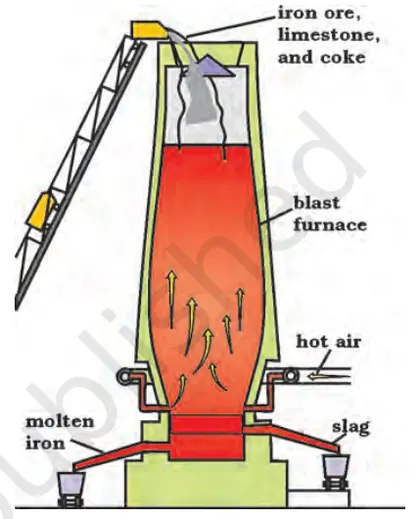
Chapter: Industries (Class 8 Geography, Resources and Development). This chapter introduces what industries are, why they are important for people and the economy, and how industries are classified (by size, raw material, ownership and economic activity). It explains the major factors that determine where industries are located — raw materials, power, transport, labour, capital, market and government policies — and describes key industrial regions and important industries of India (textiles, sugar, jute, iron and steel, fertilizer, etc.). The chapter also highlights the role of industries in employment, income generation and national development, alongside problems such as regional imbalances, pollution and resource depletion. Students learn about small-scale and cottage industries, public and private enterprises, and basic steps towards sustainable and balanced industrial growth. Overall, the chapter builds understanding of how industries shape the economy and everyday life, and what policies and practices help make industrial development responsible and inclusive.
Learning Objectives
- Define the term 'industry' and list its main types (primary, secondary and tertiary) with examples
- Describe the classification of industries based on raw materials, size, ownership and capital with suitable examples
- Explain the factors that influence the location of industries (raw materials, power, transport, labour, market, capital) using examples
- Identify major industrial regions of India and locate key industries (iron and steel, cotton textile, jute, sugar, petroleum) on a map
- Compare large-scale, small-scale and cottage industries in terms of scale, technology, investment and employment
- Analyze the role of industrialization in national economic development, including employment generation, urbanization and export promotion
- Classify industries into agro-based, mineral-based, manufacturing and service industries and provide representative examples
- Illustrate the concept and functioning of ancillary and village industries and their linkages with large industries
Topics in this chapter
12 topics · tap a topic title to jump straight to it.
Introduction to Industries
Industries are units where raw materials are transformed into finished goods using labour, machines, tools and chemical processing. They convert natural resources and human skills into products and services that meet people's needs and help in economic development.
Why industries are important
- Provide goods for local and global markets (clothes, steel, machinery, food).
- Create employment and raise income levels.
- Promote urbanisation by creating industrial towns and cities.
- Encourage development of infrastructure — transport, power, banking and communication.
- Support other sectors (agriculture, services) through demand for inputs and services.
Types of industries (simple classification)
- By raw material: Agro-based (sugar, edible oil), Mineral-based (iron & steel), Forest-based (paper, plywood).
- By size: Small-scale (unit-level artisans, small factories), Medium and Large scale (big factories, multinational firms).
- By ownership: Public sector, Private sector, Joint sector, Cooperative sector.
- By manufacturing process: Fixed position (ship-building), Intermittent process (textiles), Continuous process (petroleum refining).
Factors influencing location of industries
- Raw materials — proximity reduces transport cost (e.g., steel plants near iron ore and coal mines).
- Power supply — energy-intensive industries locate where power is reliable and cheap.
- Water availability — needed for processing and cooling.
- Labour — availability of skilled and unskilled workers and their cost.
- Market — closeness to consumers reduces distribution cost for bulky or perishable goods.
- Transport and communication — good roads, rail, ports encourage industrial growth.
- Capital and finance — availability of banks and investors.
- Government policies and incentives — industrial estates, subsidies, tax benefits.
Impacts of industries
- Positive: Economic growth, employment, improved infrastructure, diversification of the economy.
- Negative: Pollution (air, water, land), resource depletion, displacement of communities, urban problems (slums, traffic).
Brief process example: In a textile industry, cotton (raw material) is ginned, spun into yarn, woven into cloth, dyed/printed, cut and stitched into garments; each stage may occur in different units depending on the scale.
Summary: Industries are central to modern economies. Their location and type depend on raw materials, labour, power, market, transport and policy. While they bring prosperity, they must be managed to reduce environmental and social costs.
- Textile industry — Tiruppur (knitwear) and Surat (hosiery and fabric) are major textile hubs in India.
- Iron and steel — Jamshedpur (Tata Steel) is located near iron ore and coal sources.
- Automobile industry — Chennai (Madras) and Pune have many vehicle and auto-parts plants due to good ports, skilled labour and suppliers.
- Sugar industry — Uttar Pradesh and Maharashtra (agro-based, located near sugarcane farms).
- IT industry — Bengaluru and Hyderabad (service-oriented, not raw-material dependent).
- Cottage industries — Handloom weaving in Bhuj and Varanasi, pottery in Khurja.
- Growth rate (%) = ((Value in current period − Value in base period) / Value in base period) × 100
- Labour productivity = Total output / Number of workers
- Percentage share = (Part / Total) × 100
- Gross Value Added (GVA) = Gross Output − Intermediate Consumption (inputs)
Importance of Industries
What are industries? Industries are economic activities that process raw materials and produce goods or services. They convert natural resources into products useful for people and other businesses.
Why are industries important?
- Provide employment: Industries create jobs for skilled and unskilled workers, reducing unemployment and raising incomes. For example, a textile mill employs many workers from nearby villages.
- Contribute to GDP and national income: Industrial production adds value to raw materials and increases a country’s gross domestic product (GDP) and per capita income.
- Promote urbanisation and infrastructure: Industrial growth leads to development of towns and cities, and to better roads, electricity, housing, schools and hospitals.
- Encourage technological progress: Industries stimulate innovation, use of machines and new production methods, which raise productivity.
- Support other sectors: Industries create demand for agricultural produce (e.g., sugarcane for sugar mills) and for services (transport, banking, insurance), strengthening the whole economy.
- Increase export earnings: Manufactured goods sold abroad bring foreign exchange, improving the country’s trade balance.
- Regional development and balanced growth: Setting up industries in backward areas reduces regional disparities by creating local jobs and facilities.
- Resource utilization: Industries help use local resources (minerals, crops, water) and add value rather than exporting raw materials.
- Quality of life: Industrialization raises living standards through better wages, services and consumer goods.
Important cautions: Industrial growth may cause pollution, displacement and pressure on local resources. Sustainable practices, pollution control and worker safety are essential.
Simple example to illustrate value addition: Cotton grown on a farm is sold to a textile mill. The mill transforms cotton into cloth and garments, increasing its market value significantly. The extra value created by the mill is part of industrial contribution to national income.
- Textile industry in Ahmedabad and Tiruppur: uses local cotton to make cloth and garments, employing thousands and exporting products.
- Steel plant in Jamshedpur (Tata Steel): processes iron ore into steel used by construction and manufacturing industries.
- Automobile hub in Pune and Chennai: assembles cars and parts, generating jobs and export revenue.
- IT industry in Bengaluru: provides high-skilled services and export earnings through software and IT-enabled services.
- Sugar mills in Uttar Pradesh and Maharashtra: convert sugarcane into sugar and jaggery, providing rural employment.
- Leather industry in Kanpur: processes hides into shoes and leather goods for domestic use and export.
- Contribution to GDP (%) = (Value of industrial output / Total GDP) × 100. Example: If industrial output = 30,000 crore and GDP = 3,00,000 crore, contribution = (30,000 / 3,00,000) × 100 = 10%.
- Employment share (%) = (Number employed in industries / Total employed population) × 100. Example: If 1,50,000 work in industry and total employed = 1,000,000, share = (150,000 / 1,000,000) × 100 = 15%.
- Labour productivity = Industrial output / Number of workers. Example: If output = 2000 lakh rupees and workers = 40,000, productivity = 2000 lakh / 40,000 = 0.05 lakh per worker (5,000 rupees per worker).
- Value added by industry = Value of output − Value of intermediate goods used. (Helps measure real contribution of the industry.)
Classification of Industries
What are Industries?
Industries transform raw materials into finished goods and create employment and wealth. They are classified so we can understand their nature, location, scale and ownership.
Major bases for classification
- On the basis of raw material
- Agro-based industries: use agricultural produce (e.g., sugar mills, cotton textiles, edible oil mills).
- Mineral-based industries: use minerals (e.g., iron and steel, cement, aluminum).
- Forest-based industries: use forest products (e.g., paper and pulp, timber-based industries).
- Marine-based industries: use marine products (e.g., fish processing, seaweed products).
- Animal-based industries: use animal products (e.g., leather, woolen textiles, dairy).
- On the basis of size
- Small-scale industries: small investment, often locally owned and labour-intensive (e.g., pottery, handloom, handicrafts).
- Large-scale industries: large capital, heavy machinery and often large labour force (e.g., steel plants, automobile factories).
- On the basis of ownership
- Private sector: owned by individuals or companies (e.g., Reliance Industries).
- Public sector (government): owned and run by government (e.g., BHEL, Coal India).
- Joint sector: ownership shared between government and private firms (e.g., Maruti Udyog was originally a joint venture).
- Cooperative sector: owned and run by producers or workers together (e.g., Amul dairy cooperative, IFFCO).
- On the basis of use of capital and labour
- Labour-intensive industries: use more human labour than machines (e.g., handicrafts, beedi-making).
- Capital-intensive industries: use heavy machinery and large capital investment (e.g., steel, automobile manufacturing).
- On the basis of the nature of production/output
- Basic (heavy) industries: produce inputs for other industries (e.g., iron and steel, petrochemicals).
- Consumer goods industries: produce goods for direct consumption (e.g., confectionery, garments).
Why classification matters
Classification helps planners and students to understand what raw materials are needed, why certain industries are located in particular regions, what kind of labour or capital is required, and how policies (taxes, subsidies, infrastructure) should be targeted.
Factors affecting location (brief)
- Availability of raw materials
- Proximity to markets
- Availability of labour
- Transport and communication facilities
- Source of power and water
- Government policy and incentives
- Agro-based: Sugar mills in Uttar Pradesh and Maharashtra; Textile mills in Ahmedabad and Tiruppur.
- Mineral-based: Tata Steel in Jamshedpur; Steel plants at Bhilai, Bokaro and Rourkela.
- Forest-based: Pulp and paper mills in places with large forests (e.g., parts of Kerala and Assam).
- Marine-based: Fish processing units in Kochi and Visakhapatnam.
- Small-scale: Pottery, handloom weaving, bidi rolling in rural areas.
- Public sector: BHEL (heavy electrical equipment), Coal India (mining).
- Productivity = Total output / Total input (or per worker: Output / Number of workers)
- Growth rate (%) = (Value in current period - Value in base period) / Value in base period × 100
- Percentage share = (Part / Total) × 100
- IIP growth (%) = (IIP_this_year - IIP_last_year) / IIP_last_year × 100 (Index of Industrial Production)
- Employment intensity = Number of workers / Total output (used to compare labour intensity)
Factors Influencing Location of Industries
Industries are set up where conditions are favourable for production, cost minimisation and profit. The choice of location depends on several physical, economic and social factors. Understanding these helps explain why certain industries concentrate in particular regions.
- Raw materials: Proximity to raw materials reduces transport costs. Heavy, bulky or perishable inputs encourage locating near the source (e.g., jute mills in the Ganga–Brahmaputra delta; steel plants near iron ore and coal fields such as Jamshedpur, Durgapur).
- Power supply: Industries needing large and regular power (steel, aluminium, chemical) locate near reliable electricity sources — thermal plants (near coalfields) or hydroelectric sites (near rivers and dams).
- Transport: Good road, rail, port or inland waterway links reduce cost and time. Port cities (Mumbai, Chennai, Kolkata, Visakhapatnam) attract import-export and heavy industries because they lower international transport costs.
- Market: Where the finished product is bulky, perishable or costly to ship, industries set up close to markets (food processing, soft-drink bottling, dairy processing like Amul near Anand).
- Labour: Availability of skilled and unskilled workers, wage levels and labour laws influence location. IT and service industries cluster where skilled labour and training institutes exist (Bengaluru, Hyderabad).
- Capital and finance: Easy access to banks, investors and capital markets encourages industrial investment — metros and financial centres attract more enterprises.
- Government policy and incentives: Tax breaks, subsidies, industrial estates, Special Economic Zones (SEZs), and land allotment influence decisions. Regions with planned industrial development (industrial parks) become industrial hubs.
- Site and land: Flat land, availability of water, waste disposal facilities, and lower land costs matter. Heavy industries need large contiguous sites; light industries can be in small units.
- Climate: Climate affects both production (textiles prefer dry climates) and worker comfort. Some industries avoid extreme climates or monsoon-prone areas.
- Technology and infrastructure: Modern production may be less dependent on local raw materials but more on good infrastructure, telecommunications and logistics.
Factors rarely act alone; firms balance them. For example, a textile mill chooses between being near cotton fields (to save on raw cotton transport) or near a large market and port (to access labour, markets and export routes). Alfred Weber’s classical idea of minimising transport cost helps explain many locational choices.
- Jute mills in and around Kolkata and Hooghly — close to raw jute grown in the Ganga–Brahmaputra delta.
- Steel plants: Jamshedpur (Tata Iron & Steel) near iron ore and coal supplies to reduce raw-material transport costs.
- Cotton textile mills in Ahmedabad and Mumbai — located near cotton-growing areas and major markets/ports.
- Sugar mills in Uttar Pradesh and Maharashtra — located close to sugarcane fields because cane is bulky and perishable.
- Amul dairy cooperative and processing units in Anand, Gujarat — close to milk producers (milk sheds).
- IT and software hubs in Bengaluru and Hyderabad — located for skilled labour, education institutions and good infrastructure.
- Material Index (Weber): Material Index = (Weight of raw materials used) / (Weight of finished product). If Material Index > 1 → raw-material oriented (locate near raw materials). If < 1 → market oriented (locate near market).
- Approximate total transport cost (conceptual): Total transport cost ≈ Σ (weight_i × distance_i × unit transport cost_i) where i runs over inputs and outputs. Firms choose location to minimise this sum.
- Interpretation rule: If transport cost of raw materials > transport cost of finished goods → locate near raw material; otherwise locate near market.
Major Industries and Their Distribution in India
What is an industry? An industry is an economic activity that converts raw materials into finished goods or provides services. Industries are classified by the type of product, scale and ownership (e.g., agro-based, mineral-based, heavy, light, small-scale, and service industries).
Major industries in India and their distribution
- Iron & Steel – A core heavy industry. Concentrated near raw materials (iron ore and coal): Jamshedpur (Jharkhand), Bokaro (Jharkhand), Rourkela (Odisha), Bhilai (Chhattisgarh), Durgapur (West Bengal), and steel plants in eastern-central India.
- Textiles – Historically important. Cotton textile mills: Mumbai–Pune, Ahmedabad (Gujarat), Surat (Gujarat), Ichalkaranji (Maharashtra). Mill and powerloom clusters: Coimbatore, Tiruppur (Tamil Nadu) for hosiery, and Ludhiana (Punjab) for woollen garments.
- Automobile and Auto Components – Located where skilled labour, market access and suppliers exist: Chennai (Tamil Nadu), Pune (Maharashtra), Gurgaon and Manesar (Haryana/Delhi NCR), Bengaluru (Karnataka).
- Petroleum refining & Petrochemicals – Near oilfields, ports and markets: Mumbai (Navi Mumbai), Vadinar & Jamnagar (Gujarat), Kochi (Kerala), Barauni & Guwahati (Assam).
- Tea & Coffee – Tea: Assam, West Bengal (Darjeeling), Nilgiris (Tamil Nadu). Coffee: Karnataka (Coorg, Chikmagalur), Kerala, Tamil Nadu.
- Sugar – Agro-based, near cane-growing areas: Uttar Pradesh, Maharashtra, Karnataka, Tamil Nadu.
- Electronics & IT (IT/ITES) – Service and high-technology clusters: Bengaluru, Hyderabad, Pune, Chennai, NOIDA/Gurgaon.
- Cement – Near limestone deposits: Rajasthan, Madhya Pradesh, Chhattisgarh, Andhra Pradesh and southern peninsula states.
- Leather & Footwear – Near raw hides and traditional centres: Kanpur (UP), Chennai, Agra, Vellore.
- Jute – Raw jute growing areas: West Bengal (Kolkata, Bardhaman).
- Diamond Polishing – Surat (Gujarat) is the major centre.
Factors affecting industrial location
- Raw materials: Heavy and bulky raw materials (coal, iron ore) favour locations near mines (e.g., steel plants near coalfields).
- Power: Industries needing large power (steel, aluminium, chemical) locate near reliable power sources.
- Transport: Proximity to ports, railways and roads reduces costs—e.g., refineries and petrochemical complexes near ports.
- Labour: Availability of skilled or cheap labour influences textile clusters, IT parks and automobile plants.
- Market: Industries producing consumer goods often locate near large markets (metros: Mumbai, Delhi, Chennai).
- Capital & Technology: Investment availability and technical know-how attract high-tech and heavy industries.
- Government policy & incentives: Industrial corridors, SEZs and subsidies shape modern distribution patterns.
Major industrial regions of India
- Mumbai-Pune-Ankleshwar-Ahmedabad (Western industrial belt): textiles, petrochemicals, engineering.
- Damodar Valley & Chotanagpur (Eastern belt): coal, iron & steel — Durgapur, Bokaro, Jamshedpur, Rourkela.
- Hooghly–Kolkata region: jute, engineering and chemical industries.
- Southern belt: Chennai–Bengaluru–Coimbatore (automobile, IT, textiles).
- Gujarat–Rajasthan belt: petrochemicals, cement, textiles, ports-based industries.
Trends and modern changes
Service industries and high-technology manufacturing (electronics, automobile components, pharmaceuticals) have grown rapidly. Industrial development is shifting towards southern and western states (Tamil Nadu, Karnataka, Gujarat, Maharashtra) due to better infrastructure, ports and investment-friendly policies.
Why this matters for students — Knowing the distribution helps understand regional development, employment patterns and environmental/economic impacts of industry.
- Tata Steel — Jamshedpur (steel plant located near iron ore and coal sources in eastern India).
- Jamnalal Bajaj/Mumbai textile mills and Surat — textile production: mills in Mumbai/Pune and powerloom/dyeing clusters in Surat.
- Maruti Suzuki — Gurgaon/Manesar (automobile manufacturing near Delhi market and good road links).
- Tata Motors and the automobile cluster — Pune and Chennai (vehicle manufacturing and auto parts suppliers).
- Tea estates — Assam and Darjeeling (tea grown in specific climates and processed nearby).
- Infosys and Wipro — Bengaluru (IT hubs using skilled labour and good connectivity).
- Contribution of an industry to GDP (%) = (Industry's value added / National GDP) × 100
- Production per worker = Total production (units or value) / Number of workers
- Growth rate (%) = [(Value in current year − Value in base year) / Value in base year] × 100
- Location quotient (simple concept) = (Industry employment share in region / Industry employment share in country) — > indicates regional specialisation
Industrial Regions of India
What are Industrial Regions? Industrial regions are areas where a concentration of industries has developed because of favourable factors such as raw materials, power, transport, labour, market and government policy. In India, industrial regions grew around mineral deposits, ports, large cities and historically important trade centres.
Major factors that determine industrial location
- Raw materials (iron ore, coal, cotton, petroleum)
- Availability of power and water
- Transport and communication (roads, railways, ports)
- Skilled and unskilled labour
- Proximity to market and capital
- Government policy, incentives and industrial estates/SEZs
Major industrial regions of India (brief description)
- Mumbai-Pune-Nagpur (Western Maharashtra) - One of the oldest industrial belts. Industries: textiles, petrochemicals, petroleum refineries, engineering, automobiles, films (Mumbai).
- Gujarat industrial region (Ahmedabad-Vadodara-Surat-Jamnagar) - Textile centres (Ahmedabad), diamond cutting (Surat), large oil refinery and petrochemical complex (Jamnagar), chemicals and engineering (Vadodara).
- Kolkata-Asansol-Durgapur-Bardhaman (Eastern India / Damodar Valley) - Heavy industries based on coal and iron: steel plants, engineering, jute, and tea processing in nearby areas.
- Jamshedpur-Ranchi-Bokaro-Dhanbad (Chotanagpur-Damodar coalfield) - Iron and steel industries (Tata Steel, Bokaro), coke and allied industries; large coal mining activity in Dhanbad/Jharia.
- Bhilai-Raipur-Rourkela-Visakhapatnam - Major steel plants (Bhilai, Rourkela) and port-based heavy industries (Visakhapatnam).
- Chennai-Bengaluru-Coimbatore-Hosur (Southern region) - Automobiles, auto components, electronics, textiles, leather and engineering industries; IT and high-tech manufacturing around Bengaluru and Chennai.
- Delhi-Meerut-Kanpur-Ludhiana belt (Northern plains) - Consumer goods, engineering, hosiery and hosiery machine industry (Ludhiana), leather and textile centres (Kanpur).
- Assam and North-East - Tea gardens, oil (Digboi, older oilfields), plywood and agro-based industries; limited heavy industry due to remoteness.
Why some regions developed faster - Regions with coal and iron ore (Damodar, Chotanagpur) developed heavy industries; port cities and coastal states (Gujarat, Maharashtra, Tamil Nadu) developed export-oriented, petrochemical and engineering industries; cities with entrepreneurial tradition (Ahmedabad, Surat, Ludhiana) developed small and medium industries.
Role of modern developments - Economic liberalisation, special economic zones (SEZs), industrial corridors (for example, Delhi-Mumbai Industrial Corridor) and improved transport have shifted some growth to new regions and revived older ones.
Summary - India�s industrial landscape is a mix of old and new regions shaped by natural resources, transport, human skills and state policy. Heavy industries cluster near minerals and power; light and export industries gravitate to ports and major cities.
- Jamshedpur (Jharkhand) � Tata Steel, example of a steel city based on local iron ore and coal
- Bokaro Steel Plant (Jharkhand) � large integrated steel plant set up near coalfields
- Bhilai Steel Plant (Chhattisgarh) � planted near iron ore and good rail links
- Jamnagar Refinery (Gujarat) � one of the world's largest oil refineries and petrochemical cluster
- Surat (Gujarat) � diamond cutting and polishing hub; textile and dyeing industries
- Coimbatore and Tiruppur (Tamil Nadu) � textile and knitwear industrial centres
- Industrial density = Number of industries in region / Area of region (industries per sq. km)
- Percentage share of region in national industrial output = (Region industrial output / National industrial output) × 100
- Growth rate of industrial output (periodic) = ((Output at end of period - Output at start of period) / Output at start of period) × 100
Small-scale, Cottage and Household Industries
Introduction
Small-scale, cottage and household industries form an important part of India’s industrial structure. They are typically labour-intensive, use locally available raw materials and skills, and provide employment and goods for local and national markets.
Definitions
- Cottage industries: Very small units usually run at home using family labour and traditional tools (e.g., handloom weaving, pottery, weaving of shawls).
- Household industries: Industries carried on within the household premises by family members; products are often for local sale (e.g., pickles, papad, handmade toys).
- Small-scale industries (SSI): Registered manufacturing units with limited investment in plant and machinery and limited employment; they may use some mechanisation (examples: small engineering units, small-scale food processing).
Key characteristics
- Small capital investment and low overheads.
- Labour-intensive — provide employment to many, especially in rural areas.
- Use of local raw materials and traditional skills.
- Limited production capacity and small market reach (though some units may export).
- Flexible in organisation, often run as family firms or small partnerships.
Importance / Advantages
- Generate large-scale employment and reduce regional disparities.
- Preserve traditional skills, crafts and cultural heritage (handloom, handicrafts).
- Use local resources efficiently and encourage entrepreneurship in villages and towns.
- Require low investment and have quicker start-up time than large industries.
- Complement large industries by providing parts, components and services.
Problems / Limitations
- Low productivity due to traditional methods and limited technology.
- Irregular supply of raw materials and poor access to markets.
- Limited access to credit, modern machinery and training.
- Inadequate infrastructure (power, transport, storage).
- Vulnerability to competition from mass-produced goods.
Location factors
- Proximity to raw materials and skilled labour — many cottage industries are located where traditional skills and materials are available (e.g., pottery near clay deposits).
- Local markets and transport — good road/rail links help small units sell goods beyond the village.
- Availability of water and energy — some household industries need little power, while others may require reliable electricity.
Government support
- Policies for credit, subsidies, training, and marketing (through cooperatives and emporia).
- Clusters and industrial estates to provide common facilities like power, storage and marketing help improve competitiveness.
How they differ (summary)
- Cottage/household industries: run within homes, family labour, largely traditional methods, very small scale.
- Small-scale industries: slightly larger, may be registered, use some machinery, employ hired labour, produce for wider markets.
Example production chain (typical)
Raw material procurement → Processing/production at home or small unit → Finishing/quality check → Local market/wholesaler → Consumer or export.
Teaching tip: Use local examples from your area (handloom, pottery, bidi making, sweets) to make the topic relatable. Field visits to a village artisan or a small workshop illustrate processes and problems vividly.
- Handloom weaving (e.g., Banarasi sari, Kanchipuram weave) — typically cottage industry using family labour and traditional looms.
- Pottery and terracotta (village potters making household vessels, toys).
- Coir industry in Kerala (making ropes, mats from coconut husk fibre).
- Beedi (bidi) rolling in many rural/urban households — a household/cottage industry employing family members.
- Leather footwear making in small workshops (e.g., Agra, Kanpur small units).
- Carpet making in Kashmir and Bhadohi — often a home-based cottage industry.
- Labour productivity = Total output produced / Number of workers (useful to compare efficiency)
- Profit = Total revenue − Total cost (simple business formula for small units)
- Capacity utilisation (%) = (Actual output / Maximum possible output) × 100
- Output per machine = Total output / Number of machines (for small units with some machinery)
- Per capita production = Total output / Household members involved (for household industries)
Organisation and Ownership of Industries
What is organisation of industries? Organisation of industries refers to the way production is arranged — size, scale, methods, division of labour and management structure. It explains how industries operate (factory systems, small units or household production) and how they are owned and controlled.
Types by organisation (scale and method):
- Cottage or Household Industries: Small, home-based, family labour, low capital, traditional skills. Examples: handloom weaving, pottery, craftwork.
- Small-scale Industries: Small fixed capital and workforce, produce goods for local or regional markets. Examples: local bakeries, repair shops, small garment units.
- Large-scale or Factory Industries: Large investments, mechanisation, division of labour, mass production and formal management. Examples: steel plants, automobile factories, textile mills.
Types by ownership:
- Private Sector: Owned and managed by individuals or private companies for profit. Full control rests with owners. Example: Reliance Industries, Tata Motors.
- Public (Government) Sector: Owned and run by the government to provide essential goods/services or strategic control. Example: Coal India, ONGC, Indian Railways (publicly managed).
- Joint Sector: Partnership of government and private sector sharing investment, risks and management. Example: some power plants and earlier joint ventures such as Maruti (historically between Govt./public interests and Suzuki).
- Cooperative Sector: Owned and managed by members (producers or consumers) for mutual benefit. Decisions are democratic. Example: Amul (dairy cooperative), many credit and agricultural cooperatives.
- Multinational Corporations (MNCs): Companies operating in more than one country. They bring capital, technology and global markets. Example: Coca‑Cola, Nestlé.
Why different ownership/organisation exist? Choice depends on capital requirements, management capacity, risk, scale of production, social goals and government policy. Public ownership is common where services are essential or private provision may be inefficient or harmful; cooperatives suit small producers who want collective bargaining; private firms suit profit-driven enterprises; MNCs help export-oriented and high-tech industries.
Advantages and disadvantages (summary):
- Private: + Efficient, quick decisions. − Profit motive may ignore social goals.
- Public: + Ensures public welfare and large investments. − Can be inefficient if poorly managed.
- Cooperative: + Benefits members, lowers costs. − May suffer from weak management/politics.
- Small & Cottage: + Employment, preserves traditional skills. − Low productivity, limited markets.
- Large & MNC: + High output, technology transfer. − Can displace local producers, repatriate profits.
How this links to geography: Type and ownership of industries influence location choices (near raw materials, markets, labour, ports), regional development and urbanisation patterns.
- Cottage: Handloom weavers in Varanasi (sarees produced at home/household level).
- Small-scale: A local bakery or auto-repair workshop serving a town.
- Large-scale: Tata Steel (Jamshedpur) — large capital, factory system, many workers.
- Private sector firm: Reliance Industries — privately owned, profit-driven.
- Public sector enterprise: Coal India Limited — government-owned, strategic resource provider.
- Cooperative: Amul — dairy cooperative owned by milk producers, managed democratically.
- Profit = Total Revenue − Total Cost
- Profit Percentage (%) = (Profit / Cost Price) × 100
- Productivity per worker = Total Output / Number of Workers
- Capacity Utilisation (%) = (Actual Output / Installed Capacity) × 100
Industrial Pollution and Environmental Issues
Introduction
Industries produce goods but also release wastes — gases, liquids and solids — that harm air, water, soil and living beings. Industrial pollution occurs when harmful substances from factories enter the environment faster than nature can remove or neutralise them.
Types of industrial pollution
- Air pollution: smoke, dust, soot, sulphur dioxide (SO2), nitrogen oxides (NOx), volatile organic compounds (VOCs) and particulate matter (PM) from chimneys and furnaces.
- Water pollution: wastewater (effluents) containing chemicals, dyes, heavy metals, oil and organic waste discharged into rivers, lakes and groundwater.
- Soil (land) pollution: dumping of solid industrial wastes, sludge and hazardous chemicals which make soil infertile and contaminate crops.
- Noise pollution: loud machines, compressors and heavy transport causing hearing loss and stress.
- Thermal pollution: discharge of hot water (from cooling processes) into water bodies, reducing oxygen levels and affecting aquatic life.
- Radioactive pollution: release of radioactive materials from some industries (nuclear plants, certain manufacturing units).
Causes
Major causes include incomplete combustion of fuels, untreated effluent discharge, improper waste disposal, lack of pollution-control equipment, and accidental chemical leaks.
Effects on health and environment
- Human health: respiratory problems, asthma, skin diseases, poisoning (heavy metals), and long-term risks like cancer.
- Environment: acid rain (from SO2/NOx), eutrophication (nutrient overload in water), loss of biodiversity, crop damage and degraded soil fertility.
- Economy & society: loss of fisheries, higher healthcare costs, damaged crops and reduced quality of life.
Control measures and solutions
- Technology: Electrostatic precipitators and bag filters (remove particulates), scrubbers (remove SO2), catalytic converters (reduce NOx), effluent treatment plants (ETPs) and sewage treatment plants (STPs).
- Process changes: cleaner fuels (natural gas, low-sulphur coal), energy efficiency, waste minimisation and cleaner production methods.
- Waste management: recycling, safe disposal, treatment of hazardous waste and use of Common Effluent Treatment Plants (CETPs) for small industries.
- Afforestation & green belts: planting trees around factories to reduce dust and noise and to improve air quality.
- Regulation & monitoring: environmental laws (e.g., Water Act 1974, Air Act 1981, Environment Protection Act 1986 in India), pollution boards (CPCB, SPCBs) and environment clearance procedures.
- Awareness & corporate responsibility: public monitoring, community pressure, industry adoption of environmental management systems (ISO 14001).
Role of students and citizens
Learn about local industries, support clean technology, avoid burning waste, conserve water and participate in local tree-planting and river-cleaning drives. Simple actions add up.
Conclusion
Industrial development and environmental protection must go together. With technology, laws and responsible behaviour, pollution can be reduced and a healthier environment maintained for present and future generations.
- Bhopal gas tragedy (1984) – a chemical leak that caused widespread health and environmental damage; highlights the need for safety and emergency planning.
- Yamuna and Ganga pollution – industrial effluents (tanneries, textile units) plus sewage increase water pollution in major rivers.
- Thermal power plants (e.g., Singrauli region) – emissions of fly ash, SO2, NOx and particulate matter affecting air quality and agriculture.
- Tirupur textile cluster – installation of Common Effluent Treatment Plants (CETPs) to treat dye effluents and reduce river pollution (example of pollution control application).
- Electronic waste in urban areas (e.g., parts of Delhi NCR) – improper recycling releases heavy metals and toxic chemicals into soil and water.
- A factory using an Electrostatic Precipitator (ESP) – reduces particulate emissions from chimneys, improving local air quality.
- Concentration of pollutant = mass of pollutant / volume of air or water (e.g., mg/m^3 or mg/L). Example: if 50 mg pollutant is in 10 m^3 of air, concentration = 50 / 10 = 5 mg/m^3.
- Percentage reduction (e.g., after treatment) = ((initial value − final value) / initial value) × 100. Example: BOD reduction from 200 mg/L to 40 mg/L = ((200−40)/200)×100 = 80%.
- Mixing/dilution formula (after discharge into river): C_final = (C1·V1 + C2·V2) / (V1 + V2), where C are concentrations and V are volumes.
- \[Adding sound levels (decibels): L_total = 10 × log10(10^{L1/10} + 10^{L2/10} + ...). (Used when combining independent noise sources.)\]
Measures to Control Industrial Pollution
What is industrial pollution? Industrial pollution is the contamination of air, water, soil and noise environment by wastes and emissions generated from factories and industrial processes. If not controlled, it harms human health, ecosystems and property.
Objectives of control measures: reduce pollutant emissions, treat wastes before release, conserve resources, protect public health, and make industries sustainable.
Main categories of control measures
- Air pollution control: Use devices and cleaner fuels to reduce smoke, gases and particulate matter. Common devices: electrostatic precipitators (ESPs) to remove fine particles, fabric filters (baghouses), cyclones, wet and dry scrubbers to capture acidic or soluble gases, and catalytic converters to reduce NOx and CO. Switching to cleaner fuels (natural gas), using low-sulfur coal, and adopting energy-efficient boilers also help.
- Water pollution control: Treat industrial wastewater before discharge. Effluent Treatment Plants (ETPs) or Common Effluent Treatment Plants (CETPs) remove suspended solids, oils, toxic chemicals and biological contaminants through primary (sedimentation), secondary (biological treatment like activated sludge), and tertiary (filtration, disinfection, advanced oxidation) stages. Zero Liquid Discharge (ZLD) systems recycle water so nothing is discharged.
- Solid and hazardous waste management: Reduce, reuse and recycle process wastes; safe storage and disposal of hazardous wastes; secure landfills and incineration for non-recyclable wastes; recovery of valuable by-products. Proper labeling, transport and treatment of hazardous waste is mandatory.
- Noise control: Use mufflers, acoustic enclosures around noisy equipment, maintain machines, and provide buffer green belts between industries and residential areas.
- Land and soil protection: Prevent leaks and spills by proper storage, secondary containment (bunds), storm-water management, and remediation of contaminated sites (bioremediation, soil washing).
- Cleaner production and resource efficiency: Adopt cleaner technologies, process modification, substitution of hazardous raw materials, material and energy efficiency, waste minimisation at source, and recycling inside the plant.
- Administrative and legal measures: Environmental regulations (standards for effluent and emissions), Environmental Impact Assessments (EIA) before new projects, mandatory pollution-control equipment, periodic monitoring, fines and incentives, zoning and relocation of polluting industries away from dense settlements.
- Community and ecological measures: Green belts/afforestation around industrial estates to trap dust and noise, community monitoring, corporate social responsibility (CSR) initiatives, and public disclosure of pollution data.
How these measures work together: Technology (ETPs, ESPs), regulation (standards, monitoring), management (waste minimisation, ZLD) and social measures (green belts, relocation) combine to reduce pollution load. Regular monitoring and maintenance ensure long-term effectiveness.
Benefits: Improved air and water quality, healthier population, conservation of water and raw materials, reduced cleanup costs, compliance with law and better public image for industries.
- Tirupur (Tamil Nadu) textile dyeing units: installation of Common Effluent Treatment Plants (CETPs) and adoption of Zero Liquid Discharge (ZLD) in many units to reduce dye effluent released into rivers.
- Taj Trapezium Zone (around Agra): restrictions on high-polluting industries and use of cleaner fuels in brick kilns and industries to protect the Taj Mahal from air pollution.
- Tannery relocation and effluent management in Kanpur/Unnao: establishment of organized tannery parks with treatment facilities to control chromium and other tannery wastes.
- Thermal power plants and steel plants: use of Electrostatic Precipitators (ESPs), fabric filters and flue-gas desulfurization (FGD) units to reduce particulate matter and SO2 emissions.
- Vapi Industrial Estate (Gujarat): setting up a Common Effluent Treatment Plant (CETP) and tighter regulation after community action to control chemical effluents.
- Automobile and battery manufacturing: recycling of lead-acid batteries and safe disposal protocols to prevent soil contamination.
- Pollutant mass load (kg/day) = Concentration (mg/L) × Flow (m3/day) / 1000
- Percent removal efficiency (%) = (Cin - Cout) / Cin × 100, where Cin = inlet concentration, Cout = outlet concentration
- Dilution calculation (simple mass balance): Cfinal = (C1×V1 + C2×V2) / (V1 + V2)
- Hydraulic retention time (detention time) for a tank: t (days or hours) = Volume of tank (m3) / Flow rate (m3/day or m3/hour)
- Concentration (air) = mass of pollutant (mg) / volume of air (m3), commonly expressed as mg/m3 or µg/m3
Government Policies and Support for Industrial Development
What it means
Government policies and support for industrial development are the measures that central and state governments take to encourage the growth, location, modernization and competitiveness of industries. The aim is to create jobs, increase production, raise exports, and promote balanced regional development.
Main objectives
- Promote investment and industrial growth
- Create employment and skill development
- Encourage balanced regional development (reduce regional disparities)
- Increase exports and foreign exchange earnings
- Protect infant industries and ensure economic security
Types of government support
- Financial support: low-interest loans, grants, subsidies and credit through institutions like SIDBI, NABARD and public sector banks.
- Fiscal incentives: tax holidays, reduced duties, exemption from stamp duty, GST concessions, and production-linked incentives (PLI).
- Infrastructure support: creation of ports, roads, power supply, industrial estates, Special Economic Zones (SEZs), and industrial corridors (e.g., Delhi–Mumbai Industrial Corridor).
- Regulatory and policy support: simplified licensing, ease of doing business reforms, single-window clearances and labour law reforms.
- Location-based support: incentives for backward regions, subsidies for remote areas, and allocation of land in industrial parks.
- Human-resource support: skill-development programmes, vocational training, and partnerships with training institutes.
- Research and technology support: grants for R&D, public sector research institutions, and technology upgradation schemes.
How policies work in practice
Policies work together: for example, a state may provide cheap land and tax concessions at a new industrial estate, while the centre funds a connecting road and offers credit support for MSMEs. Combined measures reduce costs and risks for entrepreneurs and speed up industrialisation.
Benefits
- Higher investment and industrial output
- Job creation and skill improvement
- Better infrastructure and regional development
- Improved exports and technological upgradation
Challenges and cautions
Poor planning, environmental damage, displacement of people, misuse of subsidies and favouring a few regions or big firms can reduce the effectiveness of policies. Transparent rules, environmental safeguards and monitoring are essential.
Short classroom summary
Government policies — through finance, taxes, infrastructure, regulation and skill support — guide where and how industries develop. Successful policies are balanced: they encourage growth, protect people and environment, and reduce regional inequality.
- Make in India (launched 2014) — aims to attract domestic and foreign investment, simplify rules and boost manufacturing jobs.
- Production Linked Incentive (PLI) schemes — target specific sectors (electronics, pharmaceuticals, etc.) with incentives based on incremental production value.
- Special Economic Zones (SEZs) — export-oriented industrial areas with tax benefits and infrastructure (examples: Mundra SEZ, Kandla SEZ).
- Delhi–Mumbai Industrial Corridor (DMIC) — large infrastructure project to create industrial nodes and improve connectivity.
- MSME support (credit, cluster development) — e.g., SIDBI loans and cluster schemes helping textile clusters like Tirupur and Ludhiana hosiery industry.
- Public sector undertakings (PSUs) — government-owned enterprises like BHEL, NTPC and SAIL provided direct industrial capacity and employment.
- Growth rate (%) = ((New value − Old value) / Old value) × 100 — e.g., industrial output growth over a year.
- Industry share in GDP (%) = (Industry GDP / Total GDP) × 100 — shows industry's contribution to the economy.
- Employment elasticity = (% change in employment) / (% change in industrial output) — measures how output growth translates into jobs.
- Subsidy per job = Total subsidy given / Number of jobs created — simple measure of cost-effectiveness of a support scheme.
Role of Industries in Economic Development and Future Directions
Introduction: Industries transform raw materials into goods and services. They are a key driver of economic development because they create jobs, raise incomes, produce goods for local use and export, and stimulate other sectors.
Main roles of industries in economic development:
- Employment generation: Industries provide direct jobs (factory workers, engineers) and indirect jobs (suppliers, transport, retail). This reduces unemployment and poverty.
- Income and higher living standards: Regular wages from industrial jobs increase household incomes, enabling better education, health and consumption.
- Contribution to GDP: Manufacturing and industry add value to raw materials and increase national income through value addition and taxes.
- Exports and foreign exchange: Export-oriented industries earn foreign currency which helps pay for imports and strengthens the economy.
- Backward and forward linkages: Industries create demand for raw materials (backward linkages) and supply inputs to other sectors (forward linkages), multiplying economic activity.
- Infrastructure and urbanisation: Industrial growth leads to roads, power, ports and fosters development of towns and cities around industrial centres.
- Technological progress and skills: Industries introduce new technologies, promote skill development and increase productivity across the economy.
- Regional development: Well-planned industrialisation reduces regional imbalances by developing lagging areas.
How industries promote overall development — a short chain: Investment in industry → New factories and services → Jobs and incomes → Increased demand for goods and services → Growth in trade, services and agriculture → Higher GDP and improved welfare.
Future directions for industries (what should come next):
- Green and sustainable industries: Reduce pollution, adopt clean technologies, use renewable energy and follow waste reduction and recycling (circular economy).
- Technology and automation: Smart factories, robotics and digital manufacturing (Industry 4.0) to raise productivity while re-skilling workers.
- Support for MSMEs and clusters: Strengthen micro, small and medium enterprises (MSMEs) through credit, training and industrial clusters to boost local employment and innovation.
- Value addition and diversification: Move from exporting raw materials to producing finished goods with higher value.
- Skill development and education: Vocational training and industry-linked education to prepare youth for technical and digital jobs.
- Policy support and ease of doing business: Stable policies, infrastructure, ports and efficient regulations to attract investment.
- Inclusive and regional planning: Promote industries in backward regions to ensure balanced development and reduce migration pressures.
Conclusion: Industries are central to economic development today and in the future. Sustainable practices, technology adoption, support for small industries and skill development will determine how industries continue to shape growth and improve people’s lives.
- Tata Steel, Jamshedpur — large-scale industry that led to urban development, employment and local infrastructure.
- Bengaluru IT parks — services industry creating high-skilled jobs and export earnings (software services).
- Tiruppur textile cluster (Tamil Nadu) — example of an industry cluster producing export textiles and generating many jobs.
- Amul cooperative (Anand) — dairy processing and value addition that increased farmer incomes and rural development.
- Chennai automobile hub — auto manufacturing with many ancillary units (backward & forward linkages) and export orientation.
- Shenzhen, China — rapid industrialisation and export-led growth transforming a small town into a global manufacturing hub.
- Sectoral contribution to GDP (%) = (Output of the sector / Total GDP) × 100
- Growth rate (%) = ((Value in current year - Value in previous year) / Value in previous year) × 100
- Labour productivity = Total industrial output / Number of workers (output per worker)
- Value added = Gross output - Intermediate consumption (measures contribution of industry to income)
- Employment multiplier = Total employment generated (direct + indirect) / Direct employment (shows ripple effect)
- Export intensity (%) = (Value of exports from industry / Total output of the industry) × 100
Key Concepts
- Industry
- Economic activity that transforms raw materials into finished goods or provides services for use by people or other industries.
- Industrialization
- Process of developing industries in a region or country, increasing use of machines and large-scale production.
- Manufacturing
- The process of making products on a large scale using machines, labour and raw materials.
- Agro-based industry
- Industries that use agricultural products as their raw materials.
- Mineral-based industry
- Industries that rely mainly on minerals and ores extracted from the earth.
- Cottage industry
- Small-scale, household-based production using simple tools and traditional skills, often part-time.
- Household industry
- Manufacturing carried out within the household by family members using their own capital and labour.
- Small-scale industry
- Industry with limited capital investment and workforce, producing goods for local or niche markets.
- Large-scale industry
- Industry involving heavy investment, large workforce and mass production, often using advanced technology.
- Ancillary industry
- Industries that produce parts or provide services specifically for larger industries.
- Industrial estate
- A planned area developed with infrastructure (roads, power, water) where many industries are established.
- Special Economic Zone (SEZ)
- Designated area with special economic regulations (tax breaks, simplified procedures) to encourage export-oriented industry.
- Public sector
- Enterprises owned and managed by the government to provide goods and services or control key industries.
- Private sector
- Businesses owned and run by individuals or private companies aiming for profit.
- Joint sector
- Enterprises formed by partnership between government and private companies sharing investment and management.
- Cooperative sector
- Organizations owned and managed by a group of producers or consumers who share benefits and control democratically.
- Multinational Corporation (MNC)
- A large company that operates in several countries with production or services across national boundaries.
- Factors of industrial location
- Key conditions that determine where industries are established, such as raw materials, water, power, transport, labour, market and capital.
- Raw material-oriented industry
- Industry located close to its raw materials to reduce transport costs when raw inputs are bulky or perishable.
- Industrial pollution
- Harmful changes to air, water and land caused by industrial waste, emissions and effluents.
End-of-Chapter Trial Paper & Test Questions
Topic-wise questions to test your understanding of every concept in this chapter.
-
Which of the following is an example of a mineral-based industry? (a) Sugar mill (b) Cotton textile mill (c) Iron and steel plant (d) Paper and pulp mill निम्नलिखित में से कौन सा खनिज-आधारित उद्योग का उदाहरण है? (a) चीनी मिल (b) सूती वस्त्र मिल (c) लोहा और इस्पात संयंत्र (d) कागज एवं लुगदी मिल
Show answer
(c) Iron and steel plant / लोहा और इस्पात संयंत्र — Iron and steel industries use iron ore and coal (minerals) as their main raw materials and are therefore classified as mineral-based industries. / लोहा और इस्पात उद्योग लौह अयस्क और कोयले (खनिजों) को मुख्य कच्चे माल के रूप में उपयोग करते हैं।
-
Tata Steel is located at Jamshedpur mainly because of: (a) Proximity to large seaports (b) Proximity to iron ore and coal mines (c) Availability of skilled software engineers (d) Cool climate suitable for textile production टाटा स्टील मुख्यतः किस कारण जमशेदपुर में स्थित है? (a) बड़े समुद्री बंदरगाहों से निकटता (b) लौह अयस्क और कोयला खदानों से निकटता (c) कुशल सॉफ्टवेयर इंजीनियरों की उपलब्धता (d) वस्त्र उत्पादन के लिए उपयुक्त ठंडी जलवायु
Show answer
(b) Proximity to iron ore and coal mines / लौह अयस्क और कोयला खदानों से निकटता — Steel is raw-material oriented (Material Index > 1); locating near heavy inputs like iron ore and coal greatly reduces transport costs. / स्टील कच्चे माल-उन्मुख उद्योग है; लौह अयस्क और कोयले जैसे भारी कच्चे माल के पास स्थित होने से परिवहन लागत काफी कम होती है।
-
Which type of industry ownership is exemplified by Amul dairy? (a) Private sector (b) Public sector (c) Cooperative sector (d) Joint sector अमूल डेयरी किस प्रकार के उद्योग स्वामित्व का उदाहरण है? (a) निजी क्षेत्र (b) सार्वजनिक क्षेत्र (c) सहकारी क्षेत्र (d) संयुक्त क्षेत्र
Show answer
(c) Cooperative sector / सहकारी क्षेत्र — Amul is owned and managed collectively by its milk-producer members who share profits democratically; this is the defining feature of a cooperative. / अमूल का स्वामित्व और प्रबंधन इसके दूध उत्पादक सदस्यों द्वारा लोकतांत्रिक रूप से किया जाता है; यह सहकारी क्षेत्र की मुख्य विशेषता है।
-
The study of pollutant levels before and after installation of an Effluent Treatment Plant (ETP) showed BOD dropping from 200 mg/L to 50 mg/L. The percentage removal of BOD is __________. एक अपशिष्ट उपचार संयंत्र (ETP) की स्थापना से पहले और बाद में प्रदूषक स्तरों के अध्ययन से पता चला कि BOD 200 mg/L से घटकर 50 mg/L हो गया। BOD में प्रतिशत कमी __________ है।
Show answer
75% — Percentage removal = ((200 − 50) / 200) × 100 = (150 / 200) × 100 = 75%. / प्रतिशत कमी = ((200 − 50) / 200) × 100 = 75%। This shows the ETP is effective in reducing organic pollution load. / यह दर्शाता है कि ETP कार्बनिक प्रदूषण भार को कम करने में प्रभावी है।
-
IT and software industries are located in Bengaluru mainly because of raw material availability close by. / IT और सॉफ्टवेयर उद्योग मुख्यतः पास में कच्चे माल की उपलब्धता के कारण बेंगलुरु में स्थित हैं। True or False? / सच या झूठ?
Show answer
False / झूठ — IT industries are not raw-material dependent; they locate where skilled human capital, good infrastructure, education institutes, and quality of life exist. Bengaluru offers skilled graduates and good connectivity, not proximity to physical raw materials. / IT उद्योग कच्चे माल पर निर्भर नहीं हैं; वे वहाँ स्थित होते हैं जहाँ कुशल मानव पूँजी, अच्छी बुनियादी सुविधाएँ और शिक्षण संस्थान हों।
-
Name any two factors that determine where an industry is located. / किसी उद्योग के स्थान को निर्धारित करने वाले कोई दो कारक बताइए।
Show answer
Any two from: availability of raw materials, power supply, transport and communication, labour, market, capital, government policy, water availability. / कोई दो: कच्चे माल की उपलब्धता, बिजली आपूर्ति, परिवहन एवं संचार, श्रम, बाजार, पूँजी, सरकारी नीति, पानी की उपलब्धता। Each factor reduces production cost or enables smooth operations. / प्रत्येक कारक उत्पादन लागत को कम करता है या सुचारु संचालन को सक्षम बनाता है।
-
What is the difference between a cottage industry and a large-scale industry? Give one example of each. / कुटीर उद्योग और बड़े पैमाने के उद्योग में क्या अंतर है? प्रत्येक का एक उदाहरण दीजिए।
Show answer
A cottage industry is run at home using family labour and traditional tools with minimal capital (e.g., handloom weaving). / कुटीर उद्योग घर पर पारिवारिक श्रम और पारंपरिक उपकरणों का उपयोग करके न्यूनतम पूँजी के साथ चलाया जाता है (जैसे हथकरघा बुनाई)। A large-scale industry uses heavy machinery, large capital and many workers for mass production (e.g., Tata Steel). / बड़े पैमाने के उद्योग में भारी मशीनरी, बड़ी पूँजी और बड़े पैमाने पर उत्पादन के लिए कई श्रमिक होते हैं (जैसे टाटा स्टील)।
-
Explain any two types of industrial pollution and one measure to control each. / औद्योगिक प्रदूषण के कोई दो प्रकार और प्रत्येक को नियंत्रित करने का एक उपाय बताइए।
Show answer
1. Air pollution: smoke, dust and gases (SO₂, NOx) from factory chimneys — controlled by electrostatic precipitators and scrubbers. / वायु प्रदूषण: कारखाने की चिमनियों से धुआँ, धूल और गैसें — विद्युत स्थैतिक अवक्षेपक और स्क्रबर द्वारा नियंत्रण। 2. Water pollution: chemical effluents discharged into rivers — controlled by Effluent Treatment Plants (ETPs) that remove harmful chemicals before release. / जल प्रदूषण: नदियों में रासायनिक अपशिष्ट — ETP द्वारा नियंत्रण।
Related Laws & Principles
Explore allFoundational laws & principles behind this chapter. Each one opens a full page — what it says, why it matters, five practice questions and the mistakes to avoid.