Overview
Introduction: Microorganisms (microbes) are tiny living organisms—bacteria, fungi, viruses, protozoa and algae—too small to be seen with the naked eye. They are found everywhere: in soil, water, air, plants, animals and the human body. Although often invisible, their actions affect our daily life, health, food and environment. Importance: This chapter shows how microbes can be both friends and foes. As friends, microbes help in decomposition, nutrient cycling, fermentation, production of medicines (antibiotics), food items (yoghurt, cheese, idli/dosa batter), sewage treatment and improving soil fertility (biofertilisers). As foes, some cause diseases in plants, animals and humans, spoil food and damage material. Understanding microbes helps us use their benefits and control their harmful effects. Key themes: - Diversity and types of microorganisms with characteristic features and examples. - Modes of reproduction and growth (binary fission, budding, spore formation) and simple ways to culture microbes. - Beneficial roles: ecological services (decomposition, nutrient cycling), industrial uses (food, medicines, enzymes), agricultural uses (biofertilisers, biopesticides) and…
Learning Objectives
- Define microorganism and list the major groups (bacteria, viruses, fungi, protozoa, algae)
- Describe characteristic features and give one example of bacteria, fungi, protozoa and viruses
- Differentiate between useful and harmful microorganisms with two examples of each
- Explain modes of reproduction in microorganisms: binary fission, budding and spore formation
- Illustrate the role of microorganisms in decomposition and nutrient recycling in ecosystems
- Explain the role of microorganisms in biological nitrogen fixation and its importance for plants
- Describe beneficial applications of microbes in food production and fermentation (yogurt, bread, cheese)
- Discuss the use of microorganisms in medicines (antibiotics) and in sewage treatment
Topics in this chapter
20 topics · tap a topic title to jump straight to it.
Introduction
Microorganisms (or microbes) are living organisms that are too small to be seen with the naked eye and require a microscope. They include bacteria, fungi (like yeasts and molds), protozoa, algae and viruses. Microorganisms can be unicellular (single-celled) or multicellular (e.g., some fungi). They are found almost everywhere — in soil, water, air, inside plants, animals and humans.
Important characteristics:
- Very small size (microscopic).
- Simple structure compared to plants and animals (many are just one cell).
- Can reproduce rapidly under suitable conditions.
- Require nutrients, moisture and appropriate temperature to grow.
Roles of microorganisms — Friend and Foe:
- Friends: Many microbes are useful. They help in making food (yogurt, cheese, bread), in decomposition (breaking down dead matter and recycling nutrients), nitrogen fixation (helping plants get nitrogen), and production of medicines (antibiotics, some vaccines) and biotechnological products (insulin, enzymes).
- Foes: Some microbes cause diseases in humans, animals and plants (e.g., tuberculosis, common cold, rusts and blights in crops). Others spoil food and cause loss of stored items.
Understanding microbes helps us use their benefits (food production, waste treatment, medicines) and control their harms (hygiene, vaccination, proper food storage, antibiotics when appropriate).
- Beneficial: Lactobacillus in curd and yogurt formation.
- Beneficial: Saccharomyces cerevisiae (yeast) in bread and alcohol fermentation.
- Beneficial: Rhizobium bacteria in legume root nodules that fix atmospheric nitrogen into forms plants can use.
- Beneficial: Fungi and bacteria that decompose dead plants and animals, returning nutrients to soil.
- Beneficial: Penicillium species produce antibiotics (penicillin).
- Harmful: Mycobacterium tuberculosis causes tuberculosis.
- Exponential population growth (continuous): N(t) = N0 * e^(r t), where N(t) is population at time t, N0 is initial population, r is growth rate, and e is Euler's number (~2.718).
- Discrete doubling (generations): N(t) = N0 * 2^n, where n is number of doublings (generations).
- Doubling time (generation time): t_d = ln(2) / r, where t_d is time taken for population to double and r is the continuous growth rate.
Types of Microorganisms (Overview)
What are microorganisms? Microorganisms (microbes) are tiny living forms too small to be seen with the naked eye. They include a wide range of organisms — from single‑celled bacteria to multicellular fungi and microscopic algae. Some are beneficial, some harmful, and some neutral.
Main types of microorganisms
- Bacteria — Prokaryotic (no true nucleus), mostly unicellular. Shapes: cocci (spherical), bacilli (rod), spirilla (spiral). Reproduce mainly by binary fission. Examples: Lactobacillus (yogurt), Escherichia coli (gut), Nitrosomonas (nitrogen cycle).
- Viruses — Acellular particles made of nucleic acid (DNA or RNA) inside a protein coat. Not considered fully living outside a host; replicate only inside host cells. Examples: Influenza virus, bacteriophage, common cold (rhinovirus).
- Fungi — Eukaryotic; can be unicellular (yeasts) or multicellular (molds, mushrooms). Cell walls contain chitin. Reproduce by spores, budding, or fragmentation. Examples: Saccharomyces cerevisiae (baker's yeast), Penicillium (antibiotic source), Aspergillus (food spoilage).
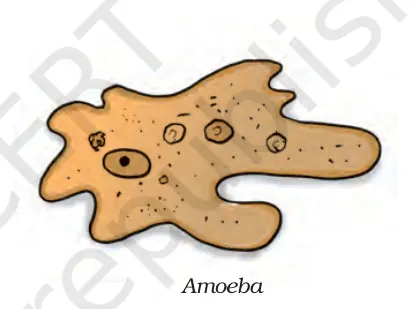
- Protozoa — Unicellular eukaryotes, often motile (use flagella, cilia or pseudopodia). Many live in water or as parasites. Examples: Amoeba (freshwater), Plasmodium (causes malaria), Paramecium.
- Algae — Photosynthetic eukaryotes (single or multicellular). Produce oxygen and form the base of many aquatic food chains. Examples: Spirogyra, Chlorella, seaweeds (large multicellular algae).
Key distinguishing features: bacteria are prokaryotes, fungi/protozoa/algae are eukaryotes; viruses are acellular and obligate parasites. Size ranking (typical): viruses < bacteria < protozoa/algae < multicellular fungi.
Roles in real life — Helpful: decomposition and nutrient cycling, fermentation (yogurt, bread, alcohol), antibiotic production (Penicillium), nitrogen fixation (Rhizobium), sewage treatment, biotechnology. Harmful: cause diseases (cholera, flu, malaria), food spoilage, crop diseases, production of toxins.
Summary — Understanding the types of microorganisms helps us use beneficial microbes (food, medicines, environment) and control harmful ones (sanitation, vaccination, antibiotics).
- Bacteria: Lactobacillus (yogurt fermentation), Escherichia coli (gut bacterium; some strains pathogenic).
- Viruses: Influenza virus (flu), Bacteriophage (virus that infects bacteria).
- Fungi: Saccharomyces cerevisiae (baker's yeast), Penicillium (source of penicillin).
- Protozoa: Amoeba (freshwater), Plasmodium (malaria parasite).
- Algae: Spirogyra (filamentous freshwater algae), Chlorella (single‑celled green algae).
- Binary‑fission population after n generations: N = N0 × 2^n (N0 = initial number, n = number of divisions).
- Exponential growth (continuous): N(t) = N0 × e^(r t) (r = growth rate constant, t = time).
- Number of generations from counts: n = log2(N/N0) = (log10 N − log10 N0) / log10 2.
- Doubling (generation) time: t_d = ln(2) / r (time required for population to double at growth rate r).
Bacteria
What are bacteria?
Bacteria are microscopic, single‑celled organisms that belong to the group of prokaryotes (cells without a true nucleus). They are found almost everywhere — in soil, water, air, inside other living organisms and on inanimate objects.
Size and shapes
Bacteria are typically 0.5–5 µm in size. Common shapes are:
- Coccus (spherical)
- Bacillus (rod-shaped)
- Spirillum (spiral)
Basic structure
Bacterial cell components include: cell wall (gives shape and protection), cell membrane, cytoplasm, nucleoid (circular DNA — no true nucleus), plasmids (small extra DNA rings), ribosomes, and sometimes capsule, flagella (for movement) and pili (for attachment and exchange).
Nutrition and metabolism
Bacteria show varied modes of nutrition: autotrophic (e.g., cyanobacteria carry out photosynthesis), heterotrophic (obtain organic food), and chemoautotrophic (obtain energy from chemical reactions). They can be aerobic (need oxygen) or anaerobic (grow without oxygen).
Reproduction and growth
Most bacteria reproduce asexually by binary fission — one cell divides into two. Under favourable conditions they can multiply rapidly. Some form resistant spores (e.g., Bacillus, Clostridium) to survive harsh conditions.
Role in nature — Friend and foe
Beneficial roles: decomposition and nutrient cycling, nitrogen fixation in root nodules (Rhizobium), food fermentation (Lactobacillus in yogurt), normal gut flora aiding digestion, industrial uses (enzymes, recombinant proteins), sewage treatment and bioremediation, production of antibiotics (Streptomyces produces streptomycin).
Harmful roles: cause diseases (e.g., tuberculosis, cholera, tetanus), food spoilage and foodborne illness, production of toxins and infections. Overuse of antibiotics has led to antibiotic resistance in some bacterial strains.
Control and prevention
Methods include sterilization (heat, autoclave), pasteurization (reduces microbes in food), disinfectants, vaccination (against bacterial diseases), proper food handling and hygiene, and prudent use of antibiotics.
How we study bacteria
Bacteria are observed using microscopes, grown on culture media in labs, identified by shape, staining reactions (e.g., Gram stain), biochemical tests and modern molecular methods.
- Rhizobium — nitrogen fixation in root nodules of leguminous plants (beneficial)
- Lactobacillus bulgaricus — used in fermentation of milk to make yogurt (beneficial)
- Escherichia coli — normal gut bacterium; some strains cause food poisoning (both beneficial and harmful)
- Streptococcus pyogenes — causes sore throat and other infections (harmful)
- Vibrio cholerae — causes cholera (harmful)
- Clostridium tetani — causes tetanus and forms spores (harmful)
- Binary fission doubling (concept): N = N0 × 2^n, where N0 = initial number of cells, n = number of generations (doublings).
- Generation time relation: n = t / g, where t = total time and g = generation (doubling) time.
- \[Continuous exponential growth (approx.): N(t) = N0 × e^{rt}\]\[where r = growth rate constant and t = time. (Useful for modelling rapid bacterial growth under ideal conditions.)\]
Fungi
What are fungi? Fungi are a diverse group of eukaryotic organisms that include moulds, yeasts and mushrooms. They are neither plants nor animals. Most fungi are heterotrophic — they obtain food by absorbing dissolved organic matter — and they often grow as networks of thread-like structures called hyphae which form a mycelium.
Key characteristics
- Cell type: Eukaryotic (have a nucleus).
- Cell wall: Made of chitin (unlike plants which have cellulose).
- Nutrition: Heterotrophic — saprophytic (decomposers), parasitic, or mutualistic.
- Body structure: Hyphae (septate or aseptate) that form a mycelium; some fungi are unicellular (yeast).
- Reproduction: Both asexual and sexual. Asexual methods include spore formation, budding (in yeast) and fragmentation. Sexual reproduction involves fusion of specialized cells and formation of sexual spores.
- Habitats: Moist, warm places with available organic material; found on soil, decaying matter, plants, animals, and in foods.
Structure (simple)
- Hypha (singular): long filamentous cell(s).
- Mycelium: a mass/network of hyphae that forms the main body.
- Sporangia/conidia: structures that produce and release spores.
- Yeast cell: single-celled fungi which reproduce by budding.
Reproduction (overview)
- Asexual: spore production (e.g., Rhizopus sporangiospores, Penicillium conidia), budding (yeast), and fragmentation.
- Sexual: fusion of compatible hyphae or cells, followed by formation of sexual spores (e.g., zygospore in Rhizopus, ascospore in yeasts/Ascomycetes, basidiospore in mushrooms/Basidiomycetes).
Roles of fungi — Friend and Foe
- Beneficial (friends): Decomposers that recycle nutrients; production of antibiotics (e.g., Penicillium → penicillin); food industry uses (yeast for bread and alcohol; molds for cheese ripening); mycorrhizae that help plant roots absorb water and minerals.
- Harmful (foes): Cause food spoilage (mouldy bread, rotten fruits); plant diseases (rusts, smuts) that reduce crop yield; human/animal diseases (athlete's foot, ringworm, candidiasis); production of toxic substances (mycotoxins) in contaminated food grains.
Control and prevention
- Keep food dry and cold to slow fungal growth (refrigeration, drying).
- Use preservatives (salt, sugar, vinegar) and proper packaging.
- Avoid dampness and ensure good ventilation to prevent fungal growth in homes.
- Use antifungal medicines for fungal infections and fungicides to protect crops.
Important examples in daily life
- Rhizopus — common bread mould (saprophytic), demonstrates sporangia and sporulation.
- Penicillium — used to produce penicillin; also causes blue/green mould on food.
- Saccharomyces cerevisiae (yeast) — used in bread making and alcoholic fermentation.
- Agaricus (mushroom) — edible fungus; Basidiomycete producing basidiospores.
- Puccinia (rust) and Ustilago (smut) — plant pathogenic fungi affecting crops like wheat and maize.
Summary: Fungi are essential organisms with important ecological roles. They are useful in industry and medicine but can also cause spoilage and disease. Understanding their structure, reproduction and environmental needs helps us use the beneficial fungi and control the harmful ones.
- Rhizopus (bread mould) — shows sporangia and asexual spore release.
- Penicillium — source of the antibiotic penicillin and causes blue-green mould on fruit and bread.
- Saccharomyces cerevisiae (yeast) — used in baking (bread) and alcoholic fermentation.
- Agaricus (mushroom) — edible Basidiomycete producing gills and basidiospores.
- Puccinia (rust) and Ustilago (smut) — fungal diseases of crops (wheat rust, maize smut).
- Trichophyton and Microsporum — cause skin infections like athlete’s foot and ringworm.
- Aerobic respiration (general): C6H12O6 + 6 O2 → 6 CO2 + 6 H2O + energy
- Alcoholic fermentation by yeast: C6H12O6 → 2 C2H5OH (ethanol) + 2 CO2 + energy
- Fungal growth (qualitative relation): Growth ∝ Moisture × Warmth × Nutrient availability (more moisture, suitable temperature and food → faster growth)
Viruses
What are viruses? Viruses are microscopic infectious agents that are acellular (not made of cells). Each virus is basically genetic material (either DNA or RNA) enclosed in a protein coat called a capsid; some viruses have an outer lipid envelope. Viruses cannot carry out metabolism or reproduce by themselves — they must infect a living host cell and use the host's machinery to make new viruses.
Basic structure
- Genetic material: DNA or RNA (single- or double-stranded).
- Capsid: Protein shell made of capsomeres; gives shape (helical, icosahedral, complex).
- Envelope (optional): Lipid membrane around some viruses (e.g., influenza, HIV) derived from the host cell.
How viruses reproduce (general steps)
- Attachment: Virus binds to specific receptors on a host cell.
- Penetration: Viral genome (or whole particle) enters the host cell.
- Replication and synthesis: Host machinery is used to replicate viral genome and make viral proteins.
- Assembly: New viral particles are assembled from components.
- Release: New viruses leave the cell (by lysis or budding) to infect other cells.
Lytic vs Lysogenic cycles (in bacteriophages) — in the lytic cycle, infection leads quickly to production of new viruses and lysis (breaking) of the host cell. In the lysogenic cycle, viral DNA integrates into the host genome and can remain dormant for many generations before becoming lytic.
Characteristics that make viruses different from living organisms
- They are acellular and cannot maintain metabolism on their own.
- They replicate only inside living host cells.
- They show high specificity for their host (host range).
Damage and benefits
- Harmful: Cause diseases in humans, animals, plants (e.g., common cold, influenza, dengue, mosaic disease in plants).
- Beneficial or useful to humans: Bacteriophages can control bacterial populations (phage therapy); viruses are used as tools in genetic engineering and as vectors for vaccines and gene delivery.
Prevention and control: Vaccination, good hygiene, safe water, vector control (e.g., mosquito control), isolation during outbreaks.
- Common cold (many caused by rhinoviruses)
- Influenza (flu) — influenza viruses
- COVID-19 — caused by SARS‑CoV‑2 (a coronavirus)
- Dengue fever — spread by Aedes mosquitoes (dengue virus)
- HIV/AIDS — human immunodeficiency virus
- Tobacco Mosaic Disease — tobacco mosaic virus (TMV) affects plants
- Exponential replication (simple model): N(t) = N0 × R^t (N0 = initial number of viruses, R = replication factor per cycle, t = number of cycles)
- Burst size (for bacteriophages): Burst size = (total number of phages released) / (number of infected cells)
- Plaque assay (virus titre): PFU/mL = (number of plaques × dilution factor) / volume plated (mL)
- Basic reproduction number (epidemiology, simplified): R0 = β / γ (β = transmission rate, γ = recovery rate). If R0 > 1, infection can spread in a population; if R0 < 1, it will die out.
Protozoa
Definition: Protozoa are single-celled, eukaryotic microorganisms that can live freely in water or soil, or as parasites inside other organisms. They belong to the kingdom Protista and show animal-like behavior (movement and heterotrophic nutrition).
Key characteristics:
- Unicellular but structurally complex with a nucleus and organelles.
- Heterotrophic: obtain food by ingestion (phagocytosis) or absorption.
- Movement by pseudopodia, flagella, or cilia (or none in some sporozoans).
- Reproduction mainly asexual (binary fission, multiple fission) and some sexual processes (conjugation in ciliates, gamete fusion in others).
- Habitats: freshwater, marine, soil, and as internal parasites of animals and humans.
Classification (based on locomotion & examples):
- Amoeboid protozoa (move by pseudopodia) — e.g., Amoeba proteus, Entamoeba histolytica (parasite causing amoebic dysentery).
- Flagellates (move by one or more flagella) — e.g., Giardia lamblia (causes giardiasis), Trypanosoma (causes sleeping sickness).
- Ciliates (move by many cilia) — e.g., Paramecium (freshwater, shows contractile vacuole and oral groove).
- Sporozoans (Apicomplexa) (non-motile adult stages, often parasitic) — e.g., Plasmodium spp. (cause malaria).
Structure & important organelles (generalised):
- Nucleus: controls cell activities; protozoa are eukaryotic.
- Pseudopodia / Cilia / Flagella: for movement and feeding (pseudopodia also engulf food).
- Contractile vacuole: expels excess water in freshwater protozoa to maintain osmotic balance.
- Food vacuoles / Cytostome / Oral groove: ingestion and digestion sites.
Nutrition: Most protozoa are heterotrophs. Methods include phagocytosis (engulfing prey), pinocytosis (absorbing dissolved substances), or parasitism (feeding on host tissues or fluids).
Reproduction: Asexual reproduction by binary fission (common) and multiple fission; some groups show sexual processes—conjugation in Paramecium (exchange of genetic material) or complex life cycles with sexual and asexual phases (e.g., Plasmodium).
Role in nature — Friend and Foe:
- Friends: Decomposers (help recycle nutrients), form part of aquatic food webs as primary consumers, some live symbiotically (e.g., Trichonympha in termite gut helps digest cellulose; rumen protozoa help herbivores digest plant material).
- Foes: Many protozoa are human/animal pathogens — Plasmodium (malaria), Trypanosoma (sleeping sickness), Leishmania (leishmaniasis), Giardia (diarrhoea), Entamoeba histolytica (amoebic dysentery).
Prevention & control of protozoan diseases: mosquito control and mosquito nets (for malaria), safe drinking water and sanitation (to prevent giardiasis, amoebiasis), vector control, vaccinations where available, and proper personal hygiene.
Simple study tips for microscope observations: Observe wet mounts of Amoeba and Paramecium to identify movement, contractile vacuoles, and food vacuoles. Use the magnification formula and size-calculation (given below) to estimate organism size.
- Amoeba proteus (free-living; moves by pseudopodia)
- Entamoeba histolytica (causes amoebic dysentery)
- Paramecium (freshwater ciliate with oral groove and contractile vacuole)
- Giardia lamblia (causes giardiasis; flagellate)
- Trypanosoma brucei (causes sleeping sickness; flagellate transmitted by tsetse fly)
- Plasmodium falciparum / vivax (cause malaria; sporozoans)
- Total magnification (microscope) = Eyepiece magnification × Objective magnification
- Actual size of specimen = Measured size in image ÷ Total magnification
- Exponential growth of protozoan population: N = N0 × 2^n (where N0 = initial number, n = number of generations). More generally N = N0 × e^(rt) for continuous growth (r = growth rate, t = time).
- Doubling time (general) t_d = (ln 2) / r (where r is growth rate per unit time)
Algae
What are Algae?
Algae are a diverse group of mostly aquatic, photosynthetic organisms that can be unicellular (single-celled), colonial or multicellular. They contain chlorophyll and other pigments to capture sunlight and manufacture food by photosynthesis. Algae range in size from microscopic cells to large seaweeds meters long.
Key characteristics
- Autotrophic: make their own food by photosynthesis.
- Contain pigments such as chlorophyll a (and sometimes b, c), carotenoids, phycobilins (in red algae).
- Cell wall present in many algae (cellulose, silica or other substances).
- Live mainly in water or in very moist places (ponds, lakes, seas, soils, tree trunks).
- Can be unicellular (Chlorella), colonial (Volvox), filamentous (Spirogyra) or multicellular seaweeds (Kelp).
Classification (simple, class 8 level)
- Green algae (Chlorophyceae) — e.g., Chlorella, Spirogyra, Volvox; contain chlorophyll a and b.
- Brown algae (Phaeophyceae) — e.g., Sargassum, Laminaria (kelp); often large seaweeds and contain fucoxanthin (brown pigment).
- Red algae (Rhodophyceae) — e.g., Porphyra, Gracilaria; have phycobilins and are a source of agar and carrageenan.
- Blue‑green algae (Cyanobacteria) — e.g., Nostoc, Anabaena; prokaryotic, photosynthetic bacteria often grouped with algae in schoolbooks because they live like algae.
Reproduction
Asexual: binary fission (single‑celled), fragmentation (filaments like Spirogyra), spore formation.
Sexual: forms include isogamy (equal gametes), anisogamy (unequal), and oogamy (large non‑motile egg + small motile sperm) — seen in some green algae.
Importance — Friend and Foe
Friends:
- Produce oxygen by photosynthesis and form the base of aquatic food chains.
- Food for humans and animals: many seaweeds are edible (nori, kelp).
- Commercial products: agar (from red algae) used in laboratories and food; algin from brown algae used as a thickener; carrageenan as stabilizer.
- Used as biofertilizers and in wastewater treatment and have potential as biofuel sources.
- Harmful algal blooms (eutrophication) can produce toxins that kill fish, contaminate drinking water (e.g., microcystins from Microcystis) and cause 'red tides' (some dinoflagellates).
- Excessive growth clogs water filters and harms aquatic ecosystems by reducing oxygen at night.
Simple examples and classroom relevance
Many algae are easy to observe under a microscope (Chlorella, Spirogyra threads, Volvox colonies). Observations of green patches in ponds, slimy growth on rocks or wet walls help students relate theory to nature.
- Spirogyra — filamentous green alga often seen in ponds (forms slimy green mats).
- Chlorella — unicellular green alga used in studies of photosynthesis and as a possible food supplement.
- Volvox — colonial green alga forming spherical colonies visible under low magnification.
- Ulothrix — filamentous green alga found in freshwater.
- Sargassum and Laminaria (kelp) — brown seaweeds found in marine habitats.
- Porphyra (nori) and Gracilaria — red algae used for human food and agar production.
- Photosynthesis: 6CO2 + 6H2O → C6H12O6 + 6O2
- Cellular respiration (reverse summary): C6H12O6 + 6O2 → 6CO2 + 6H2O + energy
- Simple population growth (discrete approximation): N = N0 × (1 + r)^t — where N0 is initial number, r is growth rate per period and t is number of periods (useful to model algal bloom growth in basic terms).
Where Microorganisms Live
Overview: Microorganisms (bacteria, fungi, protozoa, algae, viruses) are everywhere — in air, water, soil, on and inside plants, animals and humans, and even in extreme environments. Their presence depends on conditions such as temperature, moisture, nutrients, oxygen, pH and pressure.
Factors that determine where microorganisms live
- Temperature: Each species has an optimum range (psychrophiles cold, mesophiles moderate, thermophiles hot).
- Moisture: Water is essential for metabolic reactions; dry environments support fewer active microbes (some survive as spores).
- Nutrients: Availability of carbon, nitrogen, minerals controls growth (rich media support faster growth).
- Oxygen: Aerobes need oxygen, obligate anaerobes are poisoned by it, facultative anaerobes can live with or without oxygen).
- pH: Most grow near neutral pH; acidophiles and alkaliphiles prefer acidic or basic conditions respectively.
- Other factors: Light (for photosynthetic microbes), salinity (halophiles), and pressure (barophiles) also matter.
Common habitats and short notes
- Soil: Extremely rich in bacteria and fungi; many decompose organic matter and help nutrient cycling (e.g., nitrogen-fixing Rhizobium in root nodules).
- Fresh and salt water: Algae, protozoa, bacteria and viruses live throughout water bodies; some cause water-borne diseases if contamination occurs.
- Air: Microbes travel as droplets or dust; many do not grow in air but are dispersed by it.
- On and inside plants and animals: Skin, gut and other surfaces host large, mostly beneficial microbial communities (microbiota); pathogens may also colonize these sites.
- Food and organic matter: Foods provide nutrients and moisture; microbes can cause fermentation (beneficial) or spoilage and disease (harmful).
- Extreme environments: Hot springs (thermophiles), deep-sea hydrothermal vents (barophiles), very salty lakes (halophiles) and acidic mines (acidophiles) are inhabited by specialized extremophiles.
- Built environments and objects: Surfaces, water taps, medical instruments and fomites can host microbes; sterilization and hygiene are important to prevent disease.
Survival strategies: Many microbes form spores (e.g., Bacillus, Clostridium) or cysts to withstand adverse conditions, and some enter dormant states until favorable conditions return.
Why this matters: Knowing where microbes live helps in using beneficial microbes (fermentation, waste treatment, agriculture) and controlling harmful ones (disease prevention, food safety).
- Rhizobium bacteria live in root nodules of legumes and fix atmospheric nitrogen — beneficial for plants.
- Lactobacillus species live in curd and the human gut; they help in digestion and act in fermentation.
- Yeast (Saccharomyces cerevisiae) lives on fruit surfaces and is used in bread and alcohol fermentation.
- Vibrio cholerae can live in contaminated water and cause cholera when ingested.
- Thermus aquaticus is a thermophilic bacterium found in hot springs (source of heat-stable Taq polymerase).
- Halobacteria (archaea) live in high-salt environments like salt pans and saline lakes.
- N = N0 × 2^n — where N0 is initial number of cells, n is number of generations (doublings), and N is final number.
- n = t / g — where t is total time and g is generation (doubling) time.
- N = N0 × e^(μt) — exponential growth, where μ is the specific growth rate and t is time (used for continuous growth modeling).
Beneficial Microorganisms
What are beneficial microorganisms?
Beneficial microorganisms are tiny living organisms (bacteria, fungi, algae, protozoa and some viruses) that help humans, animals, plants and the environment in useful ways. Although many microbes cause disease, a large number perform processes essential for life, food production, industry and ecology.
Major groups and their useful roles
- Bacteria: Used in food fermentation (Lactobacillus in curd), nitrogen fixation in soil (Rhizobium in root nodules), decomposition (soil bacteria), sewage treatment, biogas production and industrial production of chemicals and medicines (recombinant E. coli producing insulin).
- Fungi: Yeast (Saccharomyces cerevisiae) helps make bread, wine and beer; other fungi produce antibiotics (Penicillium makes penicillin) and enzymes used in industry.
- Algae: Some (Spirulina) are used as food supplements; algae produce oxygen and are used in wastewater treatment and as biofuel sources.
- Protozoa and microfauna: Help in decomposition and sanitation (in sewage treatment plants, protozoa feed on bacteria and help clean water).
- Viruses (selectively): Bacteriophages can be used to control harmful bacteria (phage therapy) and viruses are tools in biotechnology (as vectors to deliver genes).
How they help — examples of uses
- Food industry: Fermentation by microbes makes curd, cheese, bread, idli/dosa, alcoholic beverages and vinegar.
- Medicine: Antibiotics (from fungi/bacteria), vaccines, and recombinant protein drugs (insulin) are produced using microbes.
- Agriculture: Nitrogen-fixing bacteria (Rhizobium, Azotobacter) enrich soil; mycorrhizae help plants absorb nutrients; biofertilizers and biopesticides reduce chemical use.
- Environment: Decomposition and recycling of organic matter, sewage treatment, bioremediation of oil spills and toxic wastes, and biogas production from organic waste.
- Human body: Normal gut flora help in digestion, produce vitamins (e.g., vitamin K), prevent growth of harmful microbes and support immunity.
Important concepts for students
- Fermentation: A metabolic process where microorganisms convert sugars into useful products (e.g., alcohol or lactic acid) without oxygen.
- Biofertilizer: Microbial preparation (Rhizobium, Azotobacter) added to soil to increase nutrient availability (especially nitrogen).
- Bioremediation: Use of microbes to clean up pollutants (oil, heavy metals).
- Microbial growth phases: Lag phase, Log (exponential) phase, Stationary phase, Death phase — important when culturing microbes or in fermentation processes.
Safety and preservation
Although beneficial, microbes must be handled carefully in labs and food industries. Pasteurization, sterilization and good hygiene prevent harmful microbes from contaminating beneficial processes.
Relevance to CBSE Class 8: This topic explains how microorganisms are not only disease-causing but are also essential friends — used in daily life (curd, bread), agriculture (biofertilisers) and environment (waste treatment), reinforcing the chapter 'Microorganisms: Friend and Foe'.
- Curd: Lactobacillus converts milk into curd by fermenting lactose to lactic acid.
- Bread and idli/dosa: Yeast (Saccharomyces cerevisiae) or naturally occurring fermenting microbes produce carbon dioxide that makes the dough rise.
- Antibiotic production: Penicillium produces penicillin which kills certain bacteria.
- Nitrogen fixation: Rhizobium bacteria in legume root nodules convert atmospheric nitrogen into forms plants can use.
- Biogas: Anaerobic bacteria decompose organic waste to produce methane-rich gas used as fuel.
- Sewage treatment: Microbes break down organic waste in sewage, reducing pollution.
- Alcoholic fermentation (by yeast): C6H12O6 → 2 C2H5OH + 2 CO2 (glucose → ethanol + carbon dioxide)
- Lactic acid fermentation (by Lactobacillus): C6H12O6 → 2 C3H6O3 (glucose → lactic acid)
- Approximate biogas reaction (simplified): Organic matter → CO2 + CH4 + other gases
- Nitrogen fixation (simplified biological concept): N2 (atmosphere) → NH3/NH4+ (usable by plants) (carried out by Rhizobium /Azotobacter)
- Bacterial growth (doubling formula): N = N0 × 2^n, where N0 = initial number of cells, n = number of generations. Generation time g = t / n.
Harmful Microorganisms
What are harmful microorganisms?
Harmful microorganisms are microscopic organisms (bacteria, viruses, fungi, protozoa and some algae or oomycetes) that cause disease, spoil food, damage crops or produce toxins that are dangerous to humans, animals and plants.
Types and how they cause harm
- Bacteria – single-celled organisms. Some cause diseases (e.g., Mycobacterium tuberculosis causes tuberculosis, Salmonella causes food poisoning). Others release toxins (e.g., Clostridium botulinum produces botulin toxin).
- Viruses – non-cellular agents that invade host cells and use the host machinery to multiply (e.g., influenza virus, common cold viruses, dengue virus).
- Fungi – include molds and yeasts. Some cause skin infections (ringworm), others spoil food (molds on bread) or produce mycotoxins (e.g. aflatoxin from Aspergillus).
- Protozoa – single-celled eukaryotes; some are parasites (e.g., Plasmodium causes malaria).
- Algae/oomycetes – certain algae blooms or water molds can release toxins or cause plant diseases (e.g., late blight of potato).
Major harmful effects
- Diseases in humans and animals: respiratory infections, diarrhoeal diseases, fevers, skin infections, etc.
- Food spoilage and food poisoning: decay, bad smell, toxins that cause illness when contaminated food is eaten.
- Crop losses: infections like rusts, blights and wilts reduce yield and quality of plants.
- Toxin production: mycotoxins and bacterial toxins can contaminate food and cause long-term health problems.
- Economic and social impact: healthcare costs, loss of crop income, trade restrictions and reduced food security.
How harmful microorganisms spread
- Direct contact (person-to-person or animal-to-person)
- Airborne droplets (coughing, sneezing)
- Contaminated food or water
- Vectors (e.g., mosquitoes transmit malaria and dengue)
- Soil and farm tools (plant pathogens)
Prevention and control
- Personal hygiene: regular handwashing, safe food handling and storage, boiling or pasteurizing milk and water.
- Vaccination to prevent viral and bacterial diseases where vaccines exist.
- Use of disinfectants, antiseptics and safe antibiotics (use antibiotics only as prescribed to prevent resistance).
- Refrigeration and proper cooking to prevent food spoilage and killing microbes.
- Agricultural practices: crop rotation, resistant varieties, removal/burning of infected plant parts, proper field sanitation, and pest control.
- Public health measures: safe drinking water, sewage treatment, vector control and health education.
Important notes for students
Not all microbes are harmful: many are useful (help in digestion, food production, medicines and decomposition). Understanding harmful microorganisms helps us prevent disease and protect food and crops.
- Tuberculosis (caused by the bacterium Mycobacterium tuberculosis) — spreads by airborne droplets.
- Cholera (caused by Vibrio cholerae) — spreads through contaminated water and causes severe diarrhoea.
- Common cold and influenza (caused by various viruses) — spread by droplets and close contact.
- Ringworm (a fungal infection) — causes skin patches and spreads by direct contact.
- Food spoilage by molds on bread or fruits; aflatoxin contamination of grains by Aspergillus species.
- Malaria (caused by the protozoan Plasmodium) — transmitted by Anopheles mosquitoes.
- Bacterial doubling (binary fission): Nt = N0 × 2^n (Nt = final number of cells, N0 = initial number, n = number of generations/doublings).
- Relation of generations: n = t / g (t = total time of growth, g = generation time i.e. time for one doubling).
- Exponential growth (continuous model): Nt = N0 × e^(kt) (k = growth rate constant, t = time).
Modes of Disease Transmission
Overview: Diseases spread when microorganisms (bacteria, viruses, fungi, protozoa, or parasites) move from an infected source to a healthy person. Understanding the modes of transmission helps prevent infections.
Main modes of transmission:
- Direct contact: Physical contact between an infected person and a healthy person (e.g., touching, kissing, sexual contact). Example: ringworm spreads by skin-to-skin contact. Prevention: avoid direct contact with infected lesions, wash hands.
- Indirect contact (fomites): Pathogens are left on objects (doorknobs, towels, toys) and transferred when touched. Example: common cold viruses on door handles. Prevention: regular cleaning, do not share personal items.
- Droplet transmission: Large respiratory droplets produced by coughing, sneezing or talking travel short distances (usually <1–2 m) and land on mucous membranes. Example: influenza, many cases of COVID-19. Prevention: cover mouth when coughing, wear masks, keep distance.
- Airborne transmission: Tiny particles or droplet nuclei remain suspended in air for long periods and can travel farther. Example: tuberculosis, measles. Prevention: good ventilation, N95-type masks in high-risk settings.
- Vector-borne transmission: An insect or animal (vector) carries the pathogen between hosts. Example: malaria (Anopheles mosquito), dengue (Aedes mosquito). Prevention: mosquito nets, insect repellents, remove standing water.
- Food- and water-borne transmission: Consuming contaminated food or water passes pathogens to the digestive system. Example: cholera, salmonella, hepatitis A. Prevention: drink clean water, cook food properly, maintain hygiene during food preparation.
- Vertical (mother-to-child) transmission: Pathogens pass from mother to baby during pregnancy, childbirth or breastfeeding. Example: HIV, some congenital infections. Prevention: prenatal care, appropriate medical interventions.
- Zoonotic transmission: Diseases transmitted from animals to humans by direct contact, bites, or via vectors. Example: rabies from animal bites. Prevention: vaccinate pets, avoid contact with wild animals.
Key prevention measures (summary): regular handwashing, respiratory etiquette (cover coughs/sneezes), vaccination, safe food/water practices, vector control, cleanliness of surfaces, and avoiding close contact with sick people.
- Common cold — droplet and indirect contact (touching contaminated surfaces).
- Influenza — droplet transmission (coughs and sneezes).
- COVID-19 — primarily droplet; can also spread by airborne particles in poorly ventilated spaces and by contaminated surfaces.
- Tuberculosis — airborne transmission through tiny droplet nuclei.
- Malaria — vector-borne (mosquito bite).
- Cholera — water-borne (contaminated drinking water).
- Incidence rate = (Number of new cases during a time period / Population at risk during that period) × k — used to measure new infections (choose k = 100, 1,000 or 100,000).
- Prevalence = (Total number of existing cases at a point in time / Total population at that time) × k — shows how widespread a disease is.
- Attack rate (%) = (Number of people who become ill / Number of people exposed) × 100 — useful in outbreaks.
- Basic reproduction number (R0) ≈ β × c × D — where β = probability of transmission per contact, c = average contacts per time, D = duration of infectiousness (simple conceptual formula to understand how transmission multiplies).
Prevention and Control of Microbial Diseases
Overview
Microbial diseases are illnesses caused by bacteria, viruses, fungi and protozoa. Prevention and control aim to stop infection, reduce spread and treat infected people so outbreaks are prevented or contained.
Main strategies
- Personal hygiene: Regular hand washing with soap and water (at least 20 seconds), covering mouth while coughing/sneezing, safe handling of food. These simple habits break chains of transmission.
- Immunization (Vaccination): Vaccines stimulate immunity so people do not get infected or develop milder illness. Immunization of a large fraction of a community also protects others (herd immunity).
- Safe water and food: Boiling, filtration, chlorination of drinking water; pasteurization of milk; proper cooking, storage and avoiding raw/unhygienic food to prevent water- and food-borne diseases.
- Sanitation and waste management: Proper disposal of sewage and solid waste, clean surroundings to reduce breeding sites of disease vectors (flies, mosquitoes).
- Vector control: Use of mosquito nets, repellents, removing stagnant water, indoor spraying to prevent vector-borne diseases (e.g., malaria, dengue).
- Use of antiseptics, disinfectants and sterilization: Antiseptics (iodine, alcohol) for skin and wounds; disinfectants (chlorine compounds, phenols) for surfaces; sterilization (autoclaving, dry heat) for surgical instruments and laboratory glassware.
- Rational use of antibiotics and antiviral drugs: Treat bacterial infections with appropriate antibiotics for the prescribed duration; avoid misuse and unnecessary prescriptions to prevent antibiotic resistance.
- Isolation and quarantine: Separating sick people (isolation) or those exposed (quarantine) to limit spread during outbreaks.
Important practical methods
- Boiling: Boiling water for 1–5 minutes kills most pathogens.
- Pasteurization: Mild heating of milk to kill harmful microbes while keeping taste/nutrients (e.g., 63°C for 30 min or 72°C for 15 s).
- Autoclaving: Steam under pressure (121°C, 15 psi, ~15–20 min) to sterilize medical instruments and lab media.
- Disinfection: Use of chlorine compounds to disinfect drinking water and surfaces; alcohol-based hand rubs for quick antisepsis.
Antibiotic resistance – why prevention matters
Overuse and misuse of antibiotics let bacteria evolve resistance. Preventive measures (vaccination, sanitation, hygiene) reduce infections and therefore reduce antibiotic use and the chance resistance develops.
Herd immunity (simple idea)
If a sufficient portion of the population is immune (by vaccination or past infection), spread of a contagious disease slows or stops, protecting those who are not immune.
Summary: Combination of personal hygiene, vaccination, safe water and food, sanitation, vector control, proper sterilization and rational drug use are key to preventing and controlling microbial diseases.
- Polio vaccination campaigns: mass immunization reduced polio cases worldwide to near elimination.
- Handwashing with soap in schools reduces diarrhoea and respiratory infections among children.
- Chlorination of municipal water supplies prevents cholera and other water-borne outbreaks.
- Use of insecticide-treated mosquito nets and removing stagnant water reduces malaria and dengue transmission.
- Pasteurization of milk prevents diseases like brucellosis and tuberculosis that can spread via raw milk.
- Autoclaving surgical instruments in hospitals to prevent post-operative infections.
- Dilution formula (useful when preparing disinfectant solutions): C1 × V1 = C2 × V2, where C = concentration and V = volume.
- Percent concentration (mass/volume): % concentration = (mass of solute / volume of solution) × 100.
- Colony-forming units (CFU) per mL (microbiology lab calculation): CFU/mL = (number of colonies × dilution factor) / volume plated (mL).
- Herd immunity threshold (basic concept): HIT = 1 − 1/R0 (R0 = basic reproduction number). This gives the fraction of population that must be immune to stop spread.
Antibiotics, Antiseptics and Disinfectants
Overview
Microorganisms can be helpful or harmful. To control harmful microbes we use three related kinds of agents: antibiotics, antiseptics and disinfectants. They differ in where they are used, how they act and what they kill.
Definitions
- Antibiotics: Chemical substances produced by microorganisms (or made synthetically) that kill or stop the growth of bacteria inside the body. They are used to treat bacterial infections.
- Antiseptics: Chemicals applied to living tissues (skin, wounds) to kill or inhibit microbes and prevent infection. They are mild enough for use on skin.
- Disinfectants: Strong chemicals used on non-living surfaces (floors, instruments, toilets) to destroy harmful microorganisms. They are usually too harsh for living tissues.
Where used
- Antibiotics: taken orally, injected, or applied as creams/ointments to treat internal or localized bacterial infections.
- Antiseptics: applied to skin before surgery, on cuts, or for hand sanitizing.
- Disinfectants: used to clean floors, lab benches, hospital rooms, toilets, water treatment.
How they work (general mechanisms)
- Antibiotics: target specific bacterial structures or processes — e.g. inhibit cell wall synthesis (penicillins), block protein synthesis (tetracyclines, aminoglycosides), interfere with DNA replication or metabolic pathways.
- Antiseptics and disinfectants: usually act by denaturing proteins, dissolving membranes, oxidizing cell components or inactivating enzymes (e.g. alcohols, hydrogen peroxide, chlorine compounds).
Important differences (summary)
- Safe on living tissue? Antibiotics and antiseptics: yes (antibiotics systemically, antiseptics topically). Disinfectants: no (too harsh).
- Target: Antibiotics — bacteria (specific). Antiseptics/disinfectants — bacteria, some viruses and fungi; effectiveness varies and spores are harder to kill.
- Use: Antibiotics: treat infections in the body. Antiseptics: prevent infection on skin/wounds. Disinfectants: clean inanimate surfaces.
Antibiotic resistance (brief)
Improper or excessive use of antibiotics (using for viral infections, not completing prescribed courses) allows bacteria to evolve resistance. This makes infections harder to treat and is a major public-health issue. Always use antibiotics only as prescribed by a doctor.
Safety and correct use
- Use antiseptics for cleaning wounds and skin as directed.
- Use disinfectants on non-living surfaces; follow dilution and contact-time instructions.
- Never apply disinfectants to the skin, and never take antiseptics or disinfectants internally.
- Take antibiotics only when prescribed and complete the full course.
Summary
Antibiotics are medicines for treating bacterial infections inside the body; antiseptics are for killing or inhibiting microbes on living tissues; disinfectants are for destroying microbes on non-living surfaces. Proper use keeps us healthy and helps prevent resistance.
- Antibiotics: Penicillin (used for some bacterial infections), Amoxicillin, Tetracycline
- Antiseptics: Hydrogen peroxide (H2O2) for cleaning small wounds, Iodine (tincture) used to disinfect skin before injections, 70% Ethanol (hand sanitizers) to kill many microbes on hands
- Disinfectants: Household bleach (sodium hypochlorite, NaOCl) to disinfect floors and toilets, Phenyl solutions for cleaning floors, Calcium hypochlorite (Ca(OCl)2) for water disinfection
- Hydrogen peroxide: H2O2
- Sodium hypochlorite (bleach): NaOCl
- Calcium hypochlorite: Ca(OCl)2
- Ethanol (alcohol): C2H5OH (70% solution commonly used as antiseptic)
- Phenol (simple disinfectant molecule): C6H5OH
- Iodine (elemental): I2
Fermentation and Food Technology
What is fermentation? Fermentation is a biochemical process in which microorganisms such as yeast, bacteria or moulds break down organic substances (mainly sugars) in the absence or limited presence of oxygen to produce energy and useful end products. Fermentation is used both naturally and in controlled food technology to make a wide range of foods and beverages.
Main types relevant to food:
- Alcoholic fermentation – carried out by yeast (for example Saccharomyces cerevisiae). Sugar is converted to ethanol and carbon dioxide. Used in bread making, beer and wine production.
- Lactic acid fermentation – carried out by lactic acid bacteria (for example Lactobacillus). Sugar is converted to lactic acid. Used in curd, yogurt, cheese, idli, dosa, sourdough and many fermented vegetables.
- Acetic acid fermentation – ethanol is oxidized to acetic acid by bacteria such as Acetobacter. Used to make vinegar.
How fermentation works (simple steps):
- Substrate: a carbohydrate-rich material (milk, flour dough, fruit juice, soy, etc.).
- Inoculation: desirable microorganisms are introduced or naturally present.
- Growth and metabolism: microbes consume sugars and produce products (ethanol, lactic acid, CO2) plus small amounts of ATP.
- Control: temperature, pH, oxygen and time are controlled to favour the desired microbes and product.
- Processing: after fermentation, products may be processed further (heating, drying, ageing, filtration).
Role in food technology
- Improves taste, texture and aroma (yogurt tang, bread sponginess, cheese flavors).
- Preservation: acids, alcohol or salt produced inhibit spoilage organisms (pickles, sauerkraut, vinegar).
- Nutrition: fermentation can increase vitamin content, digestibility and create probiotics (beneficial bacteria).
- Industrial production: controlled fermentation in bioreactors gives consistent quality and large-scale production of foods, beverages and enzymes.
Key factors affecting fermentation
- Temperature: each microbe has an optimal range; too low slows activity, too high kills cells.
- pH: acidity affects which organisms grow and the flavour produced.
- Oxygen: aerobic vs anaerobic processes determine product (e.g. ethanol forms under anaerobic conditions).
- Substrate concentration and nutrients: enough sugar and minerals are needed for good yield.
- Time: length of fermentation affects taste, texture and safety.
Safety and hygiene – Controlled starter cultures, clean equipment and correct conditions prevent growth of harmful microbes and ensure safe food.
Summary – Fermentation is a natural microbial process harnessed in food technology to make and preserve many foods and beverages. Understanding the organisms and conditions allows us to produce safe, tasty and nutritious fermented foods.
- Bread: yeast ferments dough sugars to produce CO2 that makes the dough rise (alcohol evaporates during baking).
- Curd and yogurt: Lactobacillus converts milk sugar (lactose) to lactic acid, thickening milk and giving sour taste.
- Idli and dosa batter: natural fermentation by lactic acid bacteria and yeast gives softness and rise.
- Wine and beer: yeast ferments fruit sugars or malt sugars to ethanol and CO2.
- Vinegar: Acetobacter oxidizes ethanol to acetic acid (vinegar).
- Cheese: starter cultures and controlled fermentation develop texture and flavor; rennet and ageing also used.
- Alcoholic fermentation (yeast): C6H12O6 -> 2 C2H5OH + 2 CO2
- Lactic acid fermentation (typical): C6H12O6 -> 2 CH3CH(OH)COOH
- Acetic acid formation (oxidation of ethanol): C2H5OH + O2 -> CH3COOH + H2O
- Energy yield (glycolysis/fermentation): 1 glucose -> 2 ATP (net) under anaerobic fermentation
- Percentage yield (general): percentage yield = (actual yield / theoretical yield) x 100
Nitrogen Fixation and Soil Microbes
What is nitrogen fixation? Nitrogen fixation is the process of converting atmospheric nitrogen gas (N2), which most organisms cannot use, into reactive forms such as ammonia (NH3) or ammonium (NH4+) that plants can absorb and use to build proteins and nucleic acids. This conversion is essential because nitrogen is a key nutrient for plant growth.
Who does the fixing? Certain soil microbes carry out nitrogen fixation. They are of two main types:
- Symbiotic nitrogen fixers: Bacteria (mainly Rhizobium species) form a mutualistic relationship with legume plants (peas, beans, gram, clover). They live in root nodules and convert N2 to ammonia while the plant supplies them with carbohydrates and a protective niche.
- Free-living and cyanobacterial fixers: Free-living bacteria such as Azotobacter and some Clostridium species fix nitrogen in soil. Cyanobacteria (blue-green algae) like Anabaena and Nostoc fix nitrogen in water and wet soils (e.g., rice fields). Azolla (a fern) carries symbiotic Anabaena and is used as a green manure in paddy fields.
How it works (basic idea): Nitrogen-fixing microbes use an enzyme called nitrogenase to break the strong triple bond of N2 and reduce it to ammonia. This biological reaction requires energy (ATP) and a low-oxygen environment (oxygen inhibits nitrogenase). In legume nodules, special plant cells and bacterial forms (bacteroids) create that suitable environment.
Role in the nitrogen cycle: Nitrogen fixation is the first important step in the nitrogen cycle. Fixed nitrogen is then transformed by other microbes by processes including nitrification (NH3 → NO2- → NO3-) and denitrification (NO3- → N2), making nitrogen constantly circulate among atmosphere, soil, plants and microbes.
Why it matters for farmers and the environment: Biological nitrogen fixation reduces the need for synthetic nitrogen fertilizers, improving soil fertility naturally and lowering costs and pollution. Practices like crop rotation with legumes, growing green manure crops, and using Azolla in rice paddies harness soil microbes to add nitrogen to soil.
- Legume-Rhizobium symbiosis: Pea, bean and gram plants form root nodules containing Rhizobium bacteria that supply ammonia to the plant.
- Azolla-Anabaena: Small water fern Azolla carries cyanobacteria Anabaena that fixes nitrogen; used as a green manure in paddy fields.
- Free-living Azotobacter in healthy soils fixes nitrogen independently and helps non-legume crops.
- Crop rotation and intercropping: Planting legumes (e.g., clover, beans) between cereal crops to restore soil nitrogen for the next crop.
- Industrial Haber–Bosch process: Factories convert N2 and H2 to ammonia (N2 + 3H2 → 2NH3) to produce chemical fertilizers when biological fixation is insufficient.
- Simplified biological fixation (concept): N2 → NH3 (conversion performed by nitrogenase enzyme in microbes)
- Detailed biological stoichiometry (enzymatic, simplified): N2 + 8 H+ + 8 e- + 16 ATP → 2 NH3 + H2 + 16 ADP + 16 Pi (this shows high energy cost for biological fixation)
- Industrial Haber–Bosch (fertilizer production): N2 + 3 H2 ⇌ 2 NH3 (requires high temperature, pressure, catalyst)
- Nitrification (two steps by soil bacteria): NH3 + O2 → NO2- (Nitrosomonas), then NO2- + O2 → NO3- (Nitrobacter)
- Denitrification (by Pseudomonas and other bacteria): NO3- → N2 (returns nitrogen to atmosphere under anaerobic conditions)
Microorganisms in Sewage Treatment and Biogas Production
Overview
Sewage and organic wastes contain dissolved and suspended organic matter and harmful microbes. Microorganisms are central to treating sewage and converting organic waste into useful energy (biogas). Treatment uses both aerobic and anaerobic microbes to remove pollutants, reduce pathogens, and stabilize sludge.
Stages of Sewage Treatment & Microbial Roles
- Preliminary and primary treatment (physical): screening and sedimentation remove large solids. Settled solids (primary sludge) are sent to sludge treatment (often anaerobic digestion).
- Secondary treatment (biological): microbial degradation of dissolved organic matter (measured as BOD). Common systems:
- Activated sludge (aerobic): a mixed community of aerobic bacteria (e.g., Pseudomonas, Bacillus), protozoa and fungi form flocs that consume organic carbon and convert it into CO2, water and microbial biomass. Aeration supplies O2 for respiration.
- Trickling filters/biofilms: wastewater passes over media coated with biofilm microbes that oxidize organics.
- Tertiary treatment: further removal of nutrients (nitrification and denitrification), phosphorous removal and disinfection (chlorine, UV) to kill pathogens. Nitrifying bacteria (Nitrosomonas, Nitrobacter) oxidize ammonia to nitrate under aerobic conditions; denitrifying bacteria reduce nitrate to N2 under anoxic conditions.
- Sludge treatment (anaerobic digestion): concentrated organic solids are stabilized in anaerobic digesters by a sequence of microbial groups to produce biogas (methane + carbon dioxide) and a reduced-volume, pathogen-lowered biosolid.
Anaerobic Digestion & Biogas Production — Microbial Steps
- Hydrolysis: Complex polymers (carbohydrates, fats, proteins) are broken into soluble monomers by hydrolytic bacteria (e.g., Clostridium).
- Acidogenesis (fermentation): Fermentative bacteria convert monomers into volatile fatty acids (VFAs), alcohols, H2 and CO2.
- Acetogenesis: Acetogenic bacteria convert VFAs and alcohols into acetate, H2 and CO2.
- Methanogenesis: Methanogenic archaea (e.g., Methanobacterium, Methanosarcina, Methanosaeta) convert acetate, H2 and CO2 into methane (CH4) and CO2 — this is the biogas-producing step.
Typical Biogas Composition
Biogas from anaerobic digesters is typically ~50–70% CH4, 30–50% CO2, with traces of H2S, NH3 and water vapor. Methane is the fuel fraction.
Why microbes are "friends" in this context
- They remove organic pollutants and decrease BOD and pathogens in wastewater.
- They convert waste into useful energy (biogas) and stabilized biosolids that can be used as fertilizer.
- They enable nutrient cycling (nitrification/denitrification) so receiving waters are less polluted.
Important operating factors
- Oxygen (aerobic systems require continuous aeration).
- Temperature (mesophilic ~30–38°C or thermophilic ~50–57°C for anaerobic digesters) — affects microbial activity and biogas yield.
- pH (methanogens work best near neutral pH 6.8–7.4).
- Retention time (hydraulic and solids retention time) — enough time is needed for microbes to act.
- Toxic compounds (heavy metals, high salt, some detergents) can inhibit microbes.
Environmental and practical benefits
- Reduced pollution of rivers and groundwater.
- Renewable energy from biogas replaces fossil fuels for cooking, electricity or heating.
- Smaller volume of stabilized sludge that is safer to handle and can be used as soil conditioner.
Note for Class 8: The focus is on understanding the roles of different types of microbes (aerobic vs anaerobic) and how they help remove waste and produce biogas, not on detailed engineering.
- Municipal wastewater treatment plants use primary sedimentation, secondary activated sludge tanks (aerobic microbes reduce BOD by ~85–95%), and tertiary disinfection before releasing water into rivers.
- Rural household biogas plants (Gobar gas units) digest cattle dung anaerobically to produce gas for cooking and produce slurry used as fertilizer.
- Septic tanks rely on anaerobic bacterial action to stabilize household sewage in areas without central sewers.
- Large wastewater treatment plants capture biogas from sludge digesters and use it to produce heat and electricity on-site, reducing energy costs and greenhouse gas emissions.
- General balanced example for glucose → methane + carbon dioxide (simplified): C6H12O6 → 3CH4 + 3CO2
- Nitrification (two-step aerobic): NH4+ + 1.5 O2 → NO2- + H2O + 2H+ (by Nitrosomonas); NO2- + 0.5 O2 → NO3- (by Nitrobacter)
- Denitrification (simplified, anoxic): NO3- → N2 (gas) + other products (by heterotrophic bacteria)
- Approximate energy content calculation for biogas: Energy_per_m3_biogas ≈ (%CH4 as fraction) × Energy_per_m3_CH4 - Energy per m3 CH4 ≈ 35.8 MJ/m3 (approx.) - For 60% CH4 biogas: Energy ≈ 0.60 × 35.8 ≈ 21.5 MJ/m3
Culturing and Observing Microorganisms
What is culturing? Culturing means growing microorganisms (bacteria, fungi, yeast) in a controlled environment so we can study them. This is done on nutrient media that provide food, water and the right conditions (temperature, pH, oxygen).
Basic steps in culturing:
- Prepare a suitable sterile growth medium (solid medium: nutrient agar in Petri dishes; liquid medium: broth).
- Sterilise equipment and media (autoclave or boiling for simple classroom work) to prevent contamination.
- Inoculate the medium with the sample using sterile tools (inoculating loop, swab).
- Incubate at a suitable temperature for a set time so microbes can grow into visible colonies.
- Observe colonies on plates or turbidity/colour change in liquid cultures.
Common techniques:
- Streak plate: spreads microbes to obtain isolated colonies (useful to get pure cultures).
- Spread plate / pour plate: used for counting colony forming units (CFU).
- Liquid culture: to grow large numbers of microbes for experiments.
Observing microorganisms:
- Colony observation: look at colony size, shape, colour, edge (margin) and elevation on agar plates. These features help identify types of microbes.
- Microscope observation: prepare a smear, fix it (heat or chemical), stain (simple stains such as methylene blue; Gram stain for classification) and view under a light microscope. Total magnification = ocular magnification × objective magnification.
- Counting microbes: use plate counts (count colonies and calculate CFU/ml after accounting for dilution) or use turbidimetry (measure cloudiness with a spectrophotometer in advanced labs).
Safety and aseptic technique: Always work cleanly: wash hands, flame or sterilise loops, keep plates closed as much as possible, label clearly, incubate at safe temperatures (often 25–37°C depending on organism), and dispose of cultures safely (autoclaving or chemical disinfection). Never culture unknown pathogens at home or without supervision.
Limits and important notes: Some microbes cannot be grown on simple lab media. Mixed samples may show many different colony types; isolation techniques are needed for pure study. Observation by eye only shows colonies that are large enough — many microbes require microscopes.
- Yogurt: Milk is cultured with bacteria (Lactobacillus) that ferment lactose to lactic acid, thickening milk and giving sour taste.
- Bread and beer: Yeast (Saccharomyces) is cultured to ferment sugars, producing carbon dioxide for bread and alcohol for beer.
- Antibiotic testing: Bacteria are cultured on agar plates and antibiotic disks are placed to see zones of inhibition (used in hospitals).
- Environmental testing: Water samples are cultured to check for coliform bacteria to assess water safety.
- Making cheese: Specific bacteria and sometimes fungi are cultured to develop flavour and texture.
- N = N0 × 2^n — number of cells after n generations (binary fission doubling model).
- n = t / g — number of generations (t = total time, g = generation time or doubling time).
- CFU/ml = number of colonies counted / (dilution factor × volume plated in ml) — used to estimate viable cells in a sample.
- \[N = N0 × e^{kt} — continuous exponential growth (k = growth rate constant).\]
- k = ln(N/N0) / t and doubling time td = ln(2) / k — relate growth rate and doubling time.
- Total magnification (microscope) = ocular magnification × objective magnification.
Reproduction in Microorganisms
What is reproduction in microorganisms?
Reproduction is the process by which organisms produce new individuals of the same kind. Microorganisms reproduce to increase their numbers and to survive under favourable conditions. Reproduction in microorganisms can be asexual (one parent, offspring genetically similar) or sexual (involving genetic exchange, offspring genetically different).
Asexual methods
- Binary fission: One cell divides into two equal daughter cells. Common in bacteria (e.g., Escherichia coli), many protozoa (e.g., Amoeba). Steps: DNA replicates → cell elongates → septum forms → two daughter cells separate.
- Budding: A small outgrowth (bud) forms on the parent, grows and detaches. Typical in yeast (Saccharomyces cerevisiae) and some fungi. Bud may remain attached for a while forming chains.
- Spore formation: Many fungi (Rhizopus, Penicillium) and some bacteria produce spores (asexual spores/conidia) that can disperse and germinate into new individuals under favourable conditions.
- Fragmentation: Filamentous microorganisms (some algae and fungi) break into fragments, each fragment grows into a new filament.
- Multiple fission: A parent cell divides to form many daughter cells at once (seen in some protozoa and in the malaria parasite Plasmodium during certain stages).
Sexual methods
- Conjugation: Two individuals exchange genetic material through a bridge. Example: Paramecium. It increases genetic variation but does not always increase number of cells immediately.
- Fusion of gametes: Some fungi and algae form specialized gametes that fuse to form a zygote (e.g., Rhizopus forms a zygospore), which later divides to form new organisms.
Why different methods?
Asexual reproduction is fast and allows rapid increase in numbers when conditions are good. Sexual reproduction creates genetic variation, helping populations adapt to changing environments.
Factors affecting reproduction
- Availability of nutrients
- Moisture and oxygen (for aerobic microbes)
- Temperature suitable to the species
- pH and presence/absence of toxins
Population growth and generation time
Many microorganisms grow exponentially under ideal conditions. The time required for one cell to divide into two is called the generation time or doubling time. Short generation times → rapid multiplication.
Bacterial growth curve (population in batch culture)
When microbes are grown in a closed system (no fresh nutrients), their population typically shows four phases: lag phase (adjustment, little growth), log/exponential phase (rapid growth), stationary phase (growth rate = death rate, nutrients limiting), and death phase (decline in viable cells).
Key takeaways for Class 8: Microorganisms use many ways to reproduce. Asexual methods (binary fission, budding, spores, fragmentation) are common and fast. Sexual methods (conjugation, gamete fusion) introduce variation. Population growth can be exponential and is described by simple doubling formulas.
- Binary fission: Escherichia coli divides by binary fission; under ideal lab conditions it may double every ~20 minutes.
- Budding: Baker's yeast (Saccharomyces cerevisiae) reproduces by budding; this is used in bread-making and brewing.
- Spore formation: Penicillium and Rhizopus produce asexual spores that spread through air and germinate on food.
- Conjugation: Paramecium exchanges genetic material by forming a temporary bridge between two cells (conjugation).
- Multiple fission: The malaria parasite (Plasmodium) multiplies by multiple fission in the liver or red blood cells during parts of its life cycle.
- Nt = N0 × 2^n (Nt = population after n generations; N0 = initial population)
- n = t / g (n = number of generations in time t; g = generation time)
- Nt = N0 × e^(µt) (exponential growth with specific growth rate µ)
- µ = ln(2) / g (relationship between specific growth rate µ and doubling time g)
- g = ln(2) / µ (doubling time from growth rate)
Discovery and Historical Context
Overview
The discovery of microorganisms and understanding their role in nature and disease was gradual and transformed biology, medicine, and industry. Early observers saw tiny forms of life only after microscopes were invented. Later experiments solved debates like spontaneous generation and established the germ theory of disease.
Key milestones (concise timeline)
- 1665 – Robert Hooke: In Micrographia he described cells seen in cork. He introduced the term "cell." (Light microscope)
- ~1674 – Antonie van Leeuwenhoek: Using handcrafted single-lens microscopes he was the first to observe and describe bacteria, protozoa and sperm — calling them "animalcules."
- 18th–19th century debate: Some scientists (e.g., Needham) supported spontaneous generation (life arising from non-living matter). Others (e.g., Lazzaro Spallanzani) produced evidence against it by showing boiled broths stayed clear if sealed.
- 1859 – Louis Pasteur: Performed the swan-neck flask experiment showing that air does not generate microbes and thereby disproved spontaneous generation. He showed microbes come from other microbes and that microorganisms in the air cause fermentation and spoilage.
- 1796 – Edward Jenner (earlier contribution): Demonstrated vaccination (using cowpox to protect against smallpox), an early use of microbial/immune knowledge in disease prevention.
- Late 1800s – Robert Koch: Developed methods to grow, stain and isolate bacteria and formulated Koch's postulates to link specific microbes to specific diseases (e.g., anthrax, tuberculosis, cholera).
- Mid-late 1800s – Semmelweis & Joseph Lister: Semmelweis showed handwashing reduced infections; Lister introduced antiseptic surgery techniques using carbolic acid.
Important experiments explained
- Leeuwenhoek's observations: Simple microscope with high-quality single lens allowed him to see moving bacteria in pond water and scraped teeth samples.
- Pasteur's swan-neck flask: Broth was boiled to kill microbes; the flask's curved neck allowed air in but trapped dust and microbes in the bend. The broth remained sterile until the flask was tilted or broken, showing microbes come from the environment, not spontaneously.
- Koch's approach: Isolate the suspected pathogen, grow it in pure culture, cause the disease in a healthy host with that culture, and re-isolate the same organism — these steps became Koch's postulates (with modern refinements).
Why this historical context matters
Understanding how microbes were discovered and proven to cause or prevent disease explains modern practices: sterilisation, pasteurisation, aseptic technique, vaccination, antibiotic development and microbiology methods used in labs and industry (fermentation, food safety, sewage treatment, agriculture).
- Leeuwenhoek looking at pond water and observing moving "animalcules" (bacteria and protozoa).
- Pasteur's swan-neck flask experiment showing boiled broth stays sterile unless exposed to dust carrying microbes.
- Jenner's vaccination: using cowpox material to protect people from smallpox.
- Koch isolating the bacterium that causes anthrax and formulating steps to link a microbe to a disease.
- Modern application: pasteurisation of milk to kill harmful microbes and prevent disease.
- Exponential growth (doubling): N = N0 × 2^n (N0 = initial number of cells, n = number of generations/doublings).
- \[Continuous exponential growth: N = N0 × e^{kt} (k = growth rate constant\]\[t = time).\]
- To find number of generations from counts: n = log2(N/N0) = (log10 N - log10 N0) / log10 2.
- Generation time (g) relation: n = t / g → g = t / n (t = total time, n = number of generations).
Ecological Roles and Interactions
What it means
Microorganisms (bacteria, fungi, protozoa, algae and viruses) play many roles in ecosystems. They act as producers, decomposers, recyclers and partners in relationships with plants and animals. They also interact with each other in different ways — helping, harming or simply living together.
Main ecological roles
- Producers: Photosynthetic microbes (e.g., green algae, cyanobacteria) make organic food from sunlight and form the base of many aquatic food chains.
- Decomposers (detritivores): Bacteria and fungi break down dead plants and animals into simpler substances, returning nutrients (carbon, nitrogen, phosphorus) to the soil and water.
- Nutrient cyclers: Certain bacteria convert atmospheric nitrogen into forms plants can use (nitrogen fixation), and others convert nitrogen compounds between forms (nitrification, denitrification), keeping the nitrogen cycle moving.
- Symbiotic partners: Microbes form beneficial partnerships — for example Rhizobium bacteria in legume root nodules fix nitrogen for the plant and receive food and shelter in return.
- Pathogens: Some microbes cause diseases in plants, animals and humans, affecting population sizes and community structure.
Types of interactions
- Mutualism: Both partners benefit (e.g., Rhizobium and legumes; gut microbes that help digestion and get nutrients).
- Commensalism: One benefits, the other is not harmed or helped (e.g., some bacteria living on skin using dead cells).
- Parasitism: One benefits (parasite), the other is harmed (host) — many microbial diseases are parasitic interactions.
- Competition: Microbes compete for food, space or nutrients; this shapes community composition.
- Predation: Protozoa and some small animals feed on bacteria; bacteriophages (viruses of bacteria) kill bacterial cells.
Why this matters
Microbial roles maintain soil fertility, decompose waste, help produce foods (yogurt, bread), and control populations through disease. Without microbes, nutrient cycles would stop and ecosystems could not function.
Microbial population growth (brief)
Microbe numbers in a suitable environment often follow a characteristic growth curve: lag phase (adjustment), log/exponential phase (rapid growth), stationary phase (resources limit growth), and death phase (decline). This affects decomposition rates, disease outbreaks and fermentation processes.
- Rhizobium bacteria in legume root nodules fix atmospheric nitrogen, improving soil fertility (mutualism).
- Fungi and bacteria decompose fallen leaves and dead animals, releasing nutrients back into the soil (decomposition).
- Cyanobacteria and algae produce oxygen and organic matter in lakes and oceans (primary production).
- Lactobacillus bacteria ferment milk to make curd (useful microbial activity).
- Yeast (Saccharomyces) ferments sugar to produce bread and alcohol (food industry).
- Pathogenic bacteria (e.g., Xanthomonas) or viruses cause plant and animal diseases (parasitism).
- Photosynthesis (general): 6 CO2 + 6 H2O → C6H12O6 + 6 O2
- Aerobic respiration: C6H12O6 + 6 O2 → 6 CO2 + 6 H2O + energy (ATP)
- Alcoholic fermentation (yeast): C6H12O6 → 2 C2H5OH + 2 CO2
- Lactic acid fermentation (bacteria): C6H12O6 → 2 CH3CH(OH)COOH
- Simplified nitrogen fixation (overall): N2 + 3 H2 → 2 NH3 (carried out by nitrogen-fixing bacteria)
- Exponential population growth (basic): N(t) = N0 · e^(r·t) (N0 = initial population, r = growth rate)
Key Concepts
- Microorganism
- A living organism too small to be seen with the naked eye, visible only under a microscope.
- Bacteria
- Single-celled microorganisms found everywhere; they can be helpful (decomposers, nitrogen-fixers) or harmful (pathogens).
- Virus
- Very small non-cellular infectious agents that can reproduce only inside living host cells, often causing diseases.
- Fungi
- A group of organisms (moulds, mushrooms, yeasts) that absorb nutrients from organic matter; some cause disease, others are useful.
- Protozoa
- Single-celled animal-like microorganisms, some of which are free-living while others are parasites.
- Algae
- Simple plant-like organisms, usually photosynthetic, found in water and moist places; they produce oxygen and form the base of many food chains.
- Yeast
- Single-celled fungi used in fermentation to produce alcohol and to leaven bread.
- Pathogen
- Any microorganism (bacteria, virus, fungus, protozoan) that causes disease in a host organism.
- Decomposer
- Organisms that break down dead plants and animals into simpler substances, recycling nutrients into the ecosystem.
- Nitrogen fixation
- Conversion of atmospheric nitrogen into forms usable by plants, carried out by certain bacteria.
- Fermentation
- A metabolic process where microorganisms like yeast or bacteria break down sugars to produce energy and useful products like alcohol or acids.
- Antibiotic
- A chemical substance produced by microorganisms or synthesized to kill or inhibit the growth of bacteria, used to treat bacterial infections.
- Vaccine
- A preparation containing weakened or killed pathogens or their parts that stimulates the immune system to provide protection against a disease.
- Pasteurization
- A process of heating food or drink (commonly milk) to a specific temperature for a short time to kill harmful microbes without changing taste much.
- Probiotics
- Live beneficial microorganisms that, when consumed in adequate amounts, provide health benefits to the host, especially for digestion.
- Saprophyte
- An organism that feeds on dead and decaying organic matter, aiding decomposition and nutrient cycling.
- Parasite
- An organism that lives on or inside another organism (host) and derives nutrients at the host's expense, often causing harm.
- Antibiotic resistance
- The ability of bacteria to survive and grow despite the presence of antibiotics that once killed them, usually due to genetic changes or overuse of drugs.
- Sewage treatment
- Use of physical, chemical and biological processes (including microbes) to remove contaminants from wastewater before releasing it safely.
- Spore
- A resistant reproductive or survival structure produced by some bacteria and fungi that can withstand adverse conditions.
End-of-Chapter Trial Paper & Test Questions
Topic-wise questions to test your understanding of every concept in this chapter.
-
Which of the following is NOT a type of microorganism? / निम्न में से कौन-सा एक सूक्ष्मजीव नहीं है? (a) Bacteria / जीवाणु (b) Virus / विषाणु (c) Fungi / कवक (d) Earthworm / केंचुआ
Show answer
(d) Earthworm / केंचुआ। An earthworm is a macroscopic organism visible to the naked eye. Microorganisms (bacteria, viruses, fungi, protozoa, algae) are too small to be seen without a microscope.
-
The bacterium that lives in root nodules of legumes and fixes atmospheric nitrogen is: / फलीदार पौधों की जड़ ग्रंथिकाओं में रहने वाला वह जीवाणु जो वायुमंडलीय नाइट्रोजन स्थिर करता है: (a) Lactobacillus (b) Rhizobium (c) Plasmodium (d) Aspergillus
Show answer
(b) Rhizobium. / Rhizobium forms a mutualistic relationship with legume roots. It converts atmospheric N₂ into ammonia (NH₃) that plants can use, acting as a natural biofertilizer.
-
Which process is used by Lactobacillus to convert milk into curd? / दूध को दही में बदलने के लिए Lactobacillus किस प्रक्रिया का उपयोग करता है? (a) Aerobic respiration / वायवीय श्वसन (b) Lactic acid fermentation / लैक्टिक अम्ल किण्वन (c) Alcoholic fermentation / एल्कोहॉलिक किण्वन (d) Photosynthesis / प्रकाश संश्लेषण
Show answer
(b) Lactic acid fermentation / लैक्टिक अम्ल किण्वन। Lactobacillus converts lactose (milk sugar) into lactic acid: C₆H₁₂O₆ → 2C₃H₆O₃. The acid lowers pH and coagulates milk proteins, forming curd.
-
Viruses can reproduce only ____ a living host cell. / विषाणु केवल एक जीवित परपोषी कोशिका के ____ प्रजनन कर सकते हैं।
Show answer
Inside / अंदर। Viruses are acellular — they have no metabolic machinery of their own. They must enter a host cell and use its ribosomes, energy and enzymes to replicate.
-
The antibiotic penicillin is obtained from the fungus ____. / एंटीबायोटिक पेनिसिलिन ____ कवक से प्राप्त होता है।
Show answer
Penicillium. / Penicillium। Alexander Fleming discovered that Penicillium mold produced a substance (penicillin) that killed bacteria, leading to the first antibiotic used in medicine.
-
True or False: All microorganisms are harmful to humans. / सत्य या असत्य: सभी सूक्ष्मजीव मनुष्यों के लिए हानिकारक होते हैं।
Show answer
False / असत्य। Many microorganisms are beneficial — they help in food production (curd, bread), nitrogen fixation, sewage treatment, antibiotic production and decomposition that recycles nutrients.
-
Explain how yeast helps in bread making. Write the fermentation equation. / यीस्ट रोटी बनाने में कैसे सहायता करता है? किण्वन समीकरण लिखिए।
Show answer
Yeast (Saccharomyces cerevisiae) ferments sugars in the dough anaerobically, producing CO₂ gas and ethanol. The CO₂ bubbles make the dough rise (become fluffy). Equation: C₆H₁₂O₆ → 2C₂H₅OH + 2CO₂. / यीस्ट (Saccharomyces cerevisiae) आटे में शर्करा का अवायवीय किण्वन करता है, CO₂ गैस बनाता है जिससे आटा फूलता है।
-
Name two diseases caused by microorganisms and state the type of microorganism responsible. / सूक्ष्मजीवों से होने वाले दो रोगों के नाम लिखिए और संबंधित सूक्ष्मजीव का प्रकार बताइए।
Show answer
1. Tuberculosis — caused by the bacterium Mycobacterium tuberculosis (spreads by airborne droplets). 2. Malaria — caused by the protozoan Plasmodium (transmitted by Anopheles mosquito). / 1. तपेदिक — जीवाणु Mycobacterium tuberculosis (वायुजनित बूँदों से फैलता है)। 2. मलेरिया — प्रोटोज़ोआ Plasmodium (Anopheles मच्छर द्वारा फैलता है)।
Related Laws & Principles
Explore allFoundational laws & principles behind this chapter. Each one opens a full page — what it says, why it matters, five practice questions and the mistakes to avoid.