Overview
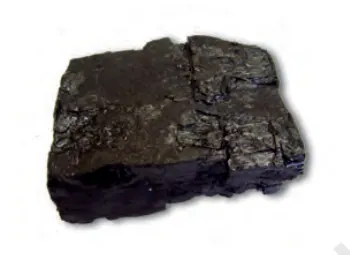
This chapter explains two major fossil fuels — coal and petroleum — their origin, composition, extraction, uses and environmental effects. It introduces how dead plants and animals transformed over millions of years into coal and petroleum, and how these resources are recovered and processed for daily use. The chapter highlights the importance of coal and petroleum in heating, electricity generation, transport and as raw materials for many products. Importance: Coal and petroleum have powered the industrial age and remain central to modern life: they provide energy, fuels for vehicles, and feedstock for chemicals and plastics. Understanding their formation, properties and impacts helps students appreciate energy resources and the need for responsible use. Key themes: formation and types of coal (peat, lignite, bituminous, anthracite); properties and uses of coal; origin and composition of petroleum and natural gas; extraction methods (mining and drilling); refining and fractional distillation of petroleum into products (petrol, diesel, kerosene, lubricating oil, LPG, etc.); hydrocarbons as constituents of fossil fuels; combustion reactions and pollutants (CO2, SO2, soot, carbon…
Learning Objectives
- Define coal and petroleum and state their geological origin
- Describe the process of formation of different types of coal (peat, lignite, bituminous, anthracite)
- Explain the composition of petroleum and the nature of hydrocarbons present
- Explain the process of fractional distillation of petroleum and relate fractions to their boiling ranges
- Identify common petroleum fractions (petrol, kerosene, diesel, lubricating oil, LPG, bitumen) and describe their principal uses
- Distinguish between coal, coke and charcoal with respect to preparation, properties and uses
- Outline methods of extraction and processing of coal and petroleum (mining, drilling, refining)
- List environmental impacts of burning fossil fuels (air pollution, acid rain, global warming) and explain their causes
Topics in this chapter
10 topics · tap a topic title to jump straight to it.
Fossil Fuels: Overview
What are fossil fuels? Fossil fuels are energy-rich substances formed from the remains of plants and animals that lived millions of years ago. The main fossil fuels are coal, petroleum (crude oil), and natural gas. They are found in the Earth's crust in sedimentary rocks and are rich in carbon and hydrogen (hydrocarbons).
How they form
When plants and tiny sea creatures died long ago, their remains were buried under layers of mud and sand. Over millions of years, heat and pressure turned these remains into different fuels:
- Plant material in swamps → peat → lignite → bituminous coal → anthracite (increasing carbon content)
- Marine organisms and plankton buried in sediments → crude oil and natural gas (in porous rocks, trapped by impermeable layers)
Properties
- High energy content per unit mass (good fuel)
- Non-renewable: form over millions of years, cannot be replaced quickly
- Combustible: release heat when burned
Uses
- Electricity generation (coal-fired power plants)
- Fuel for transport (petrol, diesel)
- Cooking and heating (LPG, natural gas, coal)
- Raw materials for industries (petrochemicals produce plastics, fertilizers, medicines)
Environmental effects
Burning fossil fuels releases carbon dioxide (CO2) and other pollutants (sulfur dioxide SO2, nitrogen oxides NOx, particulates). CO2 is a greenhouse gas that contributes to global warming. SO2 and NOx can form acid rain. Oil spills pollute land and water and harm wildlife.
Conservation and alternatives
Because fossil fuels are limited and polluting, we must conserve them (use energy-efficient appliances, public transport) and switch to cleaner alternatives: solar, wind, hydro, biomass and use technologies like cleaner combustion, emission controls, and carbon capture.
Summary: Fossil fuels are important but finite sources of energy formed over millions of years. They power much of modern life but cause pollution and climate change, so careful use and a shift to renewables are essential.
- Coal is burnt in thermal power plants to produce steam that drives turbines and generates electricity.
- Petrol (gasoline) and diesel from crude oil power cars, trucks and buses.
- Natural gas (mainly methane) is used for cooking, heating homes and in industries.
- LPG (liquefied petroleum gas) is used for cooking and heating in many households.
- Crude oil is processed in refineries to make plastics, fertilizers, medicines and many chemical products.
- General hydrocarbon combustion: CxHy + (x + y/4) O2 → x CO2 + (y/2) H2O
- Methane combustion example: CH4 + 2 O2 → CO2 + 2 H2O
- Carbon combustion: C + O2 → CO2
- Sulfur oxidation (causes acid rain): S + O2 → SO2; 2 SO2 + O2 → 2 SO3; SO3 + H2O → H2SO4
- To estimate CO2 produced from carbon: mass_CO2 = mass_C × (44/12) ≈ mass_C × 3.67 (because atomic mass C=12, CO2=44)
- Approximate calorific values (energy per kg): coal ≈ 24 MJ/kg (varies), petrol ≈ 44 MJ/kg, LPG ≈ 46 MJ/kg, methane ≈ 55 MJ/kg
Coal: Formation and Types
What is coal?
Coal is a combustible, sedimentary rock formed from the remains of ancient plants. It is a fossil fuel and a major source of energy.
How is coal formed?
- Dead plant material (in swampy areas) accumulates and forms peat under waterlogged, low-oxygen conditions that slow decay.
- Burial by sediments subjects the peat to increasing pressure and temperature over geological time; water and volatile substances are driven off and carbon concentration increases.
- This progressive change (carbonisation) produces successively higher ranks of coal: peat → lignite (brown coal) → bituminous coal → anthracite.
- Key factors: amount of plant matter, lack of oxygen during burial, depth of burial (pressure), temperature and time.
Stages (ranks) and typical characteristics
- Peat: Partly decayed plant material, high moisture, low heating value; not true coal but a precursor.
- Lignite (brown coal): Low carbon content (~25–35%), high moisture, low calorific value; used in nearby power plants.
- Bituminous coal: Higher carbon (~45–86%), higher heating value, yields coke for steelmaking (coking coal).
- Anthracite: Highest rank, very high fixed carbon (>86%), low volatile matter, highest calorific value and burns cleanest among coals.
Properties that change with rank: fixed carbon (increases), volatile matter (decreases), moisture (decreases), calorific value (generally increases), hardness (increases).
Uses: thermal power generation, steel production (coke from bituminous coal), domestic heating and cooking (in some regions), manufacture of coal gas and coal tar derivatives used in chemical industry.
Environmental note: Coal combustion releases CO2, SO2, NOx, and particulates. It is a non-renewable resource and contributes to air pollution and climate change; cleaner technologies and alternatives are encouraged.
- Thermal power plants in India (e.g., NTPC stations) burn bituminous/lignite coal to generate electricity.
- Coking coal (a type of bituminous coal) is used in blast furnaces to make steel.
- Peat is used as fuel and soil conditioner in some regions (e.g., parts of Europe).
- Steam locomotives historically used bituminous coal as fuel to boil water for steam engines.
- Brick kilns and small industries in some areas use lower-grade coal (lignite) for firing.
- Coal gasification and coal tar processing produce chemicals used in dyes, medicines and synthetic materials.
- General combustion of carbon: C + O2 → CO2
- Combustion of a generic hydrocarbon in coal: CxHy + (x + y/4) O2 → x CO2 + (y/2) H2O
- Heat energy from burning coal: Q = m × CV (Q = heat released, m = mass of coal, CV = calorific value in kJ/kg or MJ/kg)
- Proximate analysis relation: %Fixed Carbon = 100 − (%Moisture + %Ash + %Volatile Matter)
- Approximate calorific values (typical ranges): Lignite ≈ 10–20 MJ/kg, Bituminous ≈ 24–35 MJ/kg, Anthracite ≈ 30–33 MJ/kg
Coal: Uses and By-products
Introduction
Coal is a fossil fuel formed by the decomposition of plant material under high pressure and heat over millions of years. It is mainly used as a source of heat and as a raw material for chemical industries.
Main Uses of Coal
- Electricity generation: Coal is burnt in thermal power plants to produce steam that drives turbines to generate electricity.
- Metallurgy: Coal is converted to coke, a nearly pure carbon fuel used in blast furnaces for making iron and steel.
- Industrial heat: Used in cement, paper, and chemical industries as a source of high-temperature heat.
- Domestic & historical use: Heating and cooking in some regions; steam locomotives (historical).
- Chemical feedstock: Coal and its by-products supply raw materials for chemicals, dyes, medicines and fertilizers.
Destructive distillation of coal (how by-products are made)
When coal is heated strongly in the absence of air (destructive distillation or pyrolysis), it breaks down into several useful products:
- Coke (solid, nearly pure carbon) — left as a porous solid with high heating value.
- Coal gas (a mixture of H2, CH4, CO, small hydrocarbons) — used as fuel and chemical feedstock.
- Coal tar (thick black liquid) — a complex mixture of organic compounds used to make chemicals.
- Ammoniacal liquor (aqueous ammonia compounds) — used to produce ammonium salts for fertilizers.
Important By-products and their uses
- Coke: Used in blast furnaces for iron and steel production and as a high-temperature fuel in industries.
- Coal gas (town gas): Historically used for lighting and cooking; components like hydrogen and methane are combustible and can be separated for chemical synthesis.
- Coal tar: Source of many chemicals — benzene (for plastics and synthetic fibres), toluene, naphthalene (mothballs), phenol (antiseptics), anthracene (dyes), and raw materials for pharmaceuticals and dyes.
- Ammoniacal liquor: Processed to make ammonium sulfate and other fertilizers.
Environmental note
Burning coal releases carbon dioxide, sulfur oxides and particulates which cause air pollution and contribute to climate change. Modern use requires pollution-control measures (flue-gas desulfurization, electrostatic precipitators, etc.).
- Thermal power plant: Coal is burnt in boilers to produce steam that turns turbines to generate electricity used by homes and industries.
- Steel industry: Coal is converted to coke in coke ovens; coke acts as both a fuel and a reducing agent in blast furnaces to make iron.
- Coal tar products: Naphthalene obtained from coal tar is used as a moth repellent; phenol from coal tar is used to make antiseptics and plastics.
- Historical town gas: Before natural gas distribution, coal gas produced by gasworks was piped into homes for lighting and cooking.
- Fertiliser production: Ammoniacal liquor from gas works can be processed to produce ammonium sulfate fertilizer used in agriculture.
- C + O2 → CO2 (complete combustion of carbon; releases heat)
- 2C + O2 → 2CO (incomplete combustion; carbon monoxide produced)
- Energy released (Q) = m × CV where m = mass of coal (kg), CV = calorific value (J/kg). Example: Q (MJ) = m (kg) × CV (MJ/kg).
- Destructive distillation (qualitative): Coal + heat (no O2) → Coke (solid) + Coal gas (H2, CH4, CO, etc.) + Coal tar (liquid) + Ammoniacal liquor (aqueous ammonia compounds)
Petroleum and Natural Gas: Origin and Composition
What are they? Petroleum (crude oil) and natural gas are fossil fuels — hydrocarbon-rich energy sources found underground. They are widely used as fuels and raw materials for many products.
Origin (how they formed)
- Millions of years ago, microscopic plants and animals (plankton) and some land plants died and settled on the sea floor or in swamps.
- Layers of mud and sediments covered these remains. In oxygen-poor (anaerobic) conditions decomposition was slow, and the organic matter turned into a waxy substance called kerogen.
- With time, burial under more sediments caused increasing heat and pressure. Kerogen transformed into liquid and gaseous hydrocarbons (petroleum and natural gas).
- These hydrocarbons migrated through porous rocks until trapped by an impermeable cap rock, forming reservoirs that we drill to extract oil and gas.
Composition
- Both petroleum and natural gas are mixtures of hydrocarbons — compounds made of hydrogen and carbon atoms.
- Natural gas is mainly methane (CH4). It also contains ethane (C2H6), propane (C3H8), and butane (C4H10). Small amounts of carbon dioxide (CO2), hydrogen sulfide (H2S) and nitrogen (N2) may be present.
- Crude petroleum contains a wide range of hydrocarbons: straight-chain and branched alkanes (paraffins), cycloalkanes (naphthenes), and aromatic hydrocarbons (like benzene derivatives), plus small amounts of sulfur-, nitrogen- and oxygen-containing compounds and trace metals.
- Physical properties change with molecular size: shorter chains (methane, ethane) are gases at room temperature; medium chains (C5–C12) are liquids used as fuels; long chains become lubricating oils, waxes or bitumen (tar).
From crude oil to useful products
- Refineries use fractional distillation to separate crude oil into fractions by boiling point: gases (LPG), petrol (gasoline), kerosene, diesel, lubricating oil, and heavy residues (bitumen).
- Each fraction has typical uses: petrol for cars, kerosene for jet fuel and stoves, diesel for trucks and generators, LPG for cooking and heating, bitumen for road surfacing.
Important properties
- Hydrocarbons are generally lighter than water and do not mix with water (immiscible).
- Volatility decreases and boiling point increases as the carbon chain length increases.
- Combustion of these fuels releases energy but also produces carbon dioxide (a greenhouse gas) and sometimes pollutants (SOx, NOx, particulates).
Environmental note Extraction and use of petroleum and natural gas provide energy and many everyday products but can cause oil spills, air pollution and contribute to climate change. Efficient use and cleaner alternatives are important.
- Petrol (gasoline) from crude oil used in cars and two-wheelers.
- Diesel fuel for trucks, buses and generators.
- Kerosene used in some stoves and as jet fuel (after refining).
- LPG (liquefied petroleum gas — mainly propane and butane) used for cooking and heating.
- Natural gas (mainly methane) used for domestic cooking, water heating and electricity generation.
- Bitumen (residue from refining) used for making and repairing roads.
- General alkane formula: CnH2n+2
- Methane: CH4
- Ethane: C2H6
- Propane: C3H8
- Butane: C4H10
- Complete combustion of methane: CH4 + 2 O2 -> CO2 + 2 H2O (ΔH released)
Extraction Methods
What is extraction? Extraction methods are the ways in which useful substances such as coal and petroleum are taken out from the Earth so they can be used as fuel and raw materials.
Coal — main extraction methods
- Opencast (surface) mining: Coal seams near the surface are exposed by removing the overlying soil and rock (overburden). Large machines (dozers, excavators, dumpers) remove the overburden and coal. This method is economical and safer for workers but causes more visible environmental damage.
- Underground (subsurface) mining: Used when coal seams are deep. Tunnels or shafts are dug from the surface to reach the seams. Two common approaches are:
- Room-and-pillar: Rooms of coal are cut leaving pillars to support the roof.
- Longwall mining: A long face of coal is sheared off by a machine; the roof is allowed to collapse behind the working face in a controlled way.
- Advantages and disadvantages summary: Opencast — higher recovery, lower cost, greater environmental impact. Underground — lower surface damage, higher cost, safety and ventilation issues.
Petroleum — main extraction methods
- Finding reservoirs: Geologists and geophysicists use seismic surveys and drilling of exploratory wells to locate oil and gas trapped in porous rocks under impermeable cap rocks.
- Primary recovery (natural lift): If the underground pressure is high, oil flows to the surface naturally (a gusher or free-flowing well).
- Secondary recovery (artificial lift): When natural pressure falls, pumps (sucker-rod pumps, electric submersible pumps) or injection of water/gas is used to push oil out of the reservoir.
- Tertiary (enhanced) recovery: Techniques such as steam injection, chemical injection or CO2 injection increase oil mobility and recovery from the reservoir.
- After extraction: Crude oil is transported (pipelines, tankers) to refineries where it is separated into useful fractions (petrol, diesel, kerosene, lubricating oil, etc.) by fractional distillation.
Environmental & safety points (brief): Mining and drilling can cause land disturbance, groundwater contamination, air pollution and accidents. Modern practice includes land reclamation, proper waste disposal, controlled blasting, ventilation, and spill-containment measures.
Key stages summarized (for both resources):
- Exploration — locate resource.
- Extraction — remove resource (opencast/underground for coal; drilling/pumping for oil).
- Processing — prepare resource for use (washing coal, refining crude oil).
- Transport and use — deliver products to consumers (trains, pipelines, tankers).
- Opencast coal mining at a shallow coal seam where overburden is removed by excavators and coal loaded into trucks (common for lignite and near-surface coal).
- Underground longwall mining in a deep coal seam where a shearer cuts along a long face and the roof collapses behind the operation in a controlled manner.
- An oil well flowing naturally (primary recovery) when a high-pressure reservoir forces crude oil to the surface, historically seen as gushers.
- Using pumps or water injection to increase oil production once natural reservoir pressure drops (secondary recovery).
- Fractional distillation of crude oil at a refinery producing petrol (gasoline), diesel, kerosene, and other fractions.
- Density: ρ = mass / volume (useful to compare liquids like crude oil fractions).
- Recovery percentage: Recovery (%) = (Quantity extracted / Estimated quantity in place) × 100.
- Energy from fuel: Energy (J) = mass (kg) × calorific value (J/kg) — used for calculating energy yield of coal or petroleum products.
Refining of Petroleum: Fractional Distillation
What is crude petroleum? Crude petroleum (crude oil) is a complex mixture of many hydrocarbon compounds with different boiling points and some impurities (sulphur, nitrogen compounds, water, salts). To make useful products, crude oil is refined.
Why refining is needed: Different hydrocarbons have different uses (fuel, lubricants, asphalt). Refining separates the mixture into fractions with similar boiling ranges so each fraction can be used or further processed.
Fractional distillation — basic idea: Fractional distillation separates liquids in a mixture by heating the mixture and collecting vapours that condense at different temperatures. It works because lighter (smaller) hydrocarbon molecules have lower boiling points and vaporize earlier than heavier ones.
Main steps in the fractional distillation of petroleum:
- Crude oil is first heated in a furnace to produce a mixture of vapours and liquids (partly vaporized).
- The hot mixture enters a tall fractionating column (distillation tower) where temperature is higher at the bottom and lower at the top (temperature gradient).
- As vapours rise, the temperature falls. Vapours made of higher-boiling hydrocarbons condense on trays lower in the column; lower-boiling vapours rise higher before condensing.
- Each tray or side-pipe collects a fraction (e.g., petrol, kerosene, diesel). Some of the heavier residue remains at the bottom (residuum/bitumen).
- Collected fractions may undergo further processing (cracking, reforming, desulphurisation) to improve quality or change molecular structures.
Common fractions and typical uses (approximate boiling ranges): petrol/gasoline, naphtha (petrochemical feedstock), kerosene (heating, jet fuel), diesel (vehicle fuel), lubricating oil, heavy fuel oil, and bitumen (road surfacing).
Key practical points:
- The column has trays or packing to provide surface area for vapour-liquid contact and improve separation (reflux helps purity).
- Refining increases value and utility of crude oil by producing usable products.
- Further treatments remove impurities (e.g., sulphur) to meet environmental and engine requirements.
Simple schematic to imagine: a tall tower with hot feed at the bottom, arrows upward for vapour, trays at various heights with side outlets. Temperature decreases from bottom to top; heavier liquids collected near bottom, lighter near top.
- Petrol (gasoline) collected near the top of the column is used as fuel for cars.
- Kerosene is used as cooking/heating fuel in some countries and as jet fuel (aviation kerosene) after further processing.
- Diesel collected from middle trays is used to run buses, trucks and diesel cars.
- Lubricating oils (from high-boiling fractions) are used to reduce wear in engines and machines.
- Bitumen (residue) is used for road surfacing and roofing materials.
- Qualitative relation: As carbon chain length (Cn) increases, boiling point increases (shorter chains → lower boiling point; longer chains → higher boiling point).
- Approximate composition ranges (carbon number and boiling ranges): Petrol/gasoline: C5–C12, ~40–205 °C; Kerosene: C10–C16, ~150–275 °C; Diesel: C12–C20, ~200–350 °C; Lubricating oil: C20–C50, >300 °C; Bitumen/residue: >C40, very high boiling/solid.
- No single algebraic formula is required for class 8; fractional distillation depends on vapour pressure and boiling point differences of components.
Products of Petroleum and Their Uses
What is petroleum? Petroleum (crude oil) is a complex mixture of hydrocarbons formed from ancient marine organisms. In a refinery, crude oil is separated by fractional distillation into fractions with similar boiling ranges. Each fraction is a mixture of hydrocarbons that are then processed to make useful products.
Major fractions and their typical uses
- Petroleum gases (C1–C4): Liquefied Petroleum Gas (LPG – mainly propane C3H8 and butane C4H10). Uses: cooking fuel, heating, refrigerants and as petrochemical feedstock.
- Naphtha: Light fraction used as a solvent and as feedstock to make petrochemicals (plastics, synthetic fibers).
- Petrol/Gasoline: Volatile mixture used as fuel for petrol engines (cars, motorbikes).
- Kerosene: Used as jet fuel (aviation kerosene) and domestic heating/stove fuel in some countries.
- Diesel: Heavier fraction used as fuel for diesel engines (trucks, buses, some cars) and in generators.
- Lubricating oils: Viscous fractions refined into engine oils, greases and hydraulic fluids to reduce friction and wear.
- Paraffin wax: Used in candles, polishes, and as moisture barriers in packaging.
- Bitumen (asphalt): Very heavy fraction used for road surfacing and roofing.
- Petrochemicals: Many products (ethylene, propylene, benzene derivatives) are raw materials for plastics (polyethylene, PVC, polystyrene), synthetic fibres (nylon, polyester), synthetic rubber, detergents, paints, dyes and pharmaceuticals.
Chemical background (simple)
- Most petroleum constituents are alkanes with the general formula CnH2n+2 (for open-chain saturated hydrocarbons).
- Combustion of hydrocarbons produces energy: for a hydrocarbon CxHy the idealised combustion is
CxHy + (x + y/4) O2 → x CO2 + (y/2) H2O
Why different products form? Different hydrocarbon chains boil at different temperatures. Fractional distillation uses a tall column with a temperature gradient—lighter fractions are drawn off at the top (low boiling point), heavier at the bottom (high boiling point). Further chemical processing (cracking, reforming) adjusts molecules to meet demand (e.g., converting heavy oils into petrol or petrochemical feedstock).
Environmental note Combustion of petroleum products releases CO2 (a greenhouse gas) and other pollutants (NOx, SOx, particulates). Modern use aims to reduce emissions through cleaner fuels, catalytic converters and alternative energy sources.
- Petrol (gasoline) used to run most cars and two-wheelers.
- Diesel used in trucks, buses and some generators.
- LPG (propane/butane) used for household cooking and heating.
- Kerosene used as jet fuel and in some home stoves or lighting in rural areas.
- Bitumen (asphalt) used to lay and repair roads and waterproof roofs.
- Lubricating oil used in engines to reduce wear and friction (engine oil, gear oil).
- General formula for alkanes: CnH2n+2
- General combustion equation for a hydrocarbon CxHy: CxHy + (x + y/4) O2 → x CO2 + (y/2) H2O
- Example: Combustion of octane (a major petrol component): 2 C8H18 + 25 O2 → 16 CO2 + 18 H2O
Environmental and Health Impacts
Overview
Burning coal and petroleum releases a mixture of gases, particles and toxic compounds. These cause air, water and soil pollution, damage ecosystems and human health, and contribute to climate change.
Main pollutants and how they form
- Carbon dioxide (CO2) — product of complete combustion of carbon in coal and hydrocarbons in petroleum; principal greenhouse gas driving global warming.
- Carbon monoxide (CO) — formed by incomplete combustion; a poisonous gas that reduces oxygen delivery in the body.
- Sulfur dioxide (SO2) — from sulfur impurities in coal and crude oil; leads to acid rain after oxidation and dissolution in rainwater.
- Nitrogen oxides (NOx) — formed at high combustion temperatures from atmospheric N2 and O2; contribute to smog, ground-level ozone and acid rain.
- Particulate matter (PM10, PM2.5) and soot — tiny particles from incomplete combustion and fly ash; penetrate lungs and bloodstream.
- Hydrocarbons and volatile organic compounds (VOCs) — include benzene, toluene, etc.; some are carcinogenic and form photochemical smog.
- Heavy metals (e.g., mercury, lead) — released from coal combustion; bioaccumulate and damage nervous systems and ecosystems.
Environmental effects
- Air pollution and smog: NOx + VOCs + sunlight → ground-level ozone; reduces visibility, harms crops and trees.
- Acid rain: SO2 and NOx oxidize and form acids (sulfuric and nitric acids) that lower pH of lakes and soils, corrode buildings and harm forests.
- Climate change: CO2 and other greenhouse gases trap heat, causing temperature rise, changing rainfall patterns and sea-level rise.
- Water and soil contamination: Oil spills coat and poison marine life; coal ash and petroleum leaks can contaminate groundwater with toxic metals and organic pollutants.
- Habitat damage and biodiversity loss: Mining (coal) and oil exploration destroy land, increase erosion and fragment habitats; spills cause mass mortality of marine organisms and birds.
Health impacts
- Respiratory diseases: PM2.5, SO2, NOx aggravate asthma, bronchitis and chronic obstructive pulmonary disease (COPD).
- Cardiovascular effects: Fine particles and CO increase risk of heart attacks and strokes.
- Neurological and developmental effects: Mercury and some hydrocarbons harm brain development in children.
- Carcinogenic effects: Long-term exposure to benzene and certain PAHs (polycyclic aromatic hydrocarbons) from combustion increases cancer risk.
- Occupational illnesses: Coal miners can get pneumoconiosis (black lung); refinery workers can be exposed to toxic fumes.
Mitigation and prevention
- Use cleaner fuels, low-sulfur coal, and natural gas; shift to renewables (solar, wind).
- Improve combustion efficiency and pollution controls: electrostatic precipitators, flue-gas desulfurization (scrubbers), catalytic converters for vehicles.
- Regulations: emission standards, monitoring of air and water quality, safe waste disposal for coal ash and oil.
- Emergency response: rapid containment and cleanup of oil spills, remediation of contaminated sites, healthcare for exposed populations.
Short summary
Coal and petroleum are energy-dense but produce harmful pollutants when mined, transported or burned. Their environmental and health impacts are broad—local (smog, spills, mining damage) and global (climate change)—so reducing use, cleaning emissions and protecting habitats are essential.
- Great Smog of London (1952): heavy coal smoke and fog caused thousands of deaths and led to air-quality laws.
- Delhi winter smog: coal-based power plants, vehicle emissions and crop residue burning combine to raise PM2.5 and NOx levels, causing respiratory illness.
- Deepwater Horizon (2010): massive petroleum spill in the Gulf of Mexico that significantly damaged marine life and coastal ecosystems.
- Coal miners' pneumoconiosis (black lung): long-term inhalation of coal dust causes lung scarring and breathing problems in mining communities.
- Kingston Fossil Plant coal ash spill (2008, Tennessee, USA): coal ash pond failure released toxic ash that contaminated waterways and soil.
- Complete combustion of a hydrocarbon: CxHy + (x + y/4) O2 → x CO2 + (y/2) H2O
- Incomplete combustion (carbon monoxide formation): 2 C + O2 → 2 CO (or C + 1/2 O2 → CO)
- Sulfur combustion: S + O2 → SO2
- High-temperature nitrogen oxidation: N2 + O2 → 2 NO (then 2 NO + O2 → 2 NO2)
- CO2 mass from carbon burned: m(CO2) = m(C) × (44/12) (useful to estimate greenhouse gas emissions from fuel carbon content)
Conservation and Alternatives
Why conservation is needed
Coal, petroleum and natural gas are fossil fuels formed over millions of years from dead plants and animals. They are limited (nonrenewable) and once used up cannot be replaced in a human time scale. Their extraction and burning also cause air pollution, acid rain and contribute to global warming. For these reasons we must conserve fossil fuels and use cleaner alternatives.
What is conservation of fuels
Conservation means using fuels carefully so that the available resources last longer and the environment is protected. It includes reducing waste, improving efficiency, reusing energy where possible and switching to cleaner fuels and renewable sources.
How to conserve fossil fuels (practical measures)
- Reduce consumption: walk, cycle, use public transport, car-pool and plan trips to reduce petrol/diesel use.
- Increase efficiency: use energy-efficient appliances (LED bulbs, star-rated refrigerators), maintain vehicles for proper mileage, use fuel-efficient stoves and motors.
- Recover and reuse energy: waste heat recovery in industries, use of solar water heaters, and heat-insulated buildings to reduce heating/cooling needs.
- Use cleaner fuels: replace fuel wood with LPG or biogas for cooking to save forests and reduce smoke pollution.
- Waste management: recycling reduces energy used in producing new materials (for example recycling metals and plastics saves fuel).
Alternatives to coal, petroleum and natural gas
- Renewable energy: solar, wind, hydroelectric and geothermal power produce electricity without burning fossil fuels.
- Biofuels and biogas: fuels made from plant material or animal waste can replace petrol/diesel or LPG in some uses.
- Compressed Natural Gas (CNG) and LPG: cleaner-burning than petrol/diesel for vehicles and cooking respectively.
- Electricity and electric vehicles: when electricity comes from renewables, EVs greatly reduce pollution from transport.
- Hydrogen: a clean fuel when produced from renewable electricity, though storage and production costs are challenges.
- Nuclear power: low-carbon electricity source but requires strict safety, waste handling and large investment.
Advantages and limitations of alternatives
- Renewables are clean and inexhaustible but can be intermittent (sun and wind vary) and need energy storage or grid management.
- Biofuels use agricultural land and can compete with food production if not managed well.
- Electric vehicles reduce local air pollution; their benefit depends on how clean the electricity is.
- Transition requires investment, technology, and behaviour change (for example shifting to public transport or solar water heaters).
Role of students and households
- Small daily actions add up: switch off lights and fans when not needed, prefer LED bulbs, fix leaking taps and motors, use public transport or cycle.
- Support and adopt renewable options where possible: rooftop solar, biogas units in rural houses, energy-efficient appliances.
Summary
Conservation of fossil fuels and adopting alternatives are essential to protect the environment and ensure resources last longer. A mix of efficient use, cleaner fuels and renewable energy will reduce pollution and slow down depletion of nonrenewable resources.
- Many city buses and taxis run on CNG which produces less smoke and soot compared with diesel or petrol.
- Rural households using small biogas plants produce gas from cattle dung for cooking, reducing dependence on wood or LPG.
- Rooftop solar panels provide electricity for lights and fans, reducing the amount of electricity produced from coal-fired power stations.
- Use of LED bulbs and star-rated appliances in homes reduces electricity consumption and so the demand on thermal power plants.
- Electric scooters and trains replace petrol/diesel-driven transport, cutting local air pollution in cities.
- Car-pooling and school buses reduce the number of vehicles on road, conserving petrol/diesel.
- Energy (work) = Power × Time (E = P × t). Units: Joule (J) = Watt (W) × second (s). Useful for calculating energy used by electrical appliances.
- Heat released by burning fuel = mass of fuel × calorific value (Q = m × CV). Units: J = kg × J/kg. Helps estimate fuel needed to produce certain heat.
- Efficiency (%) = (Useful energy output / Total energy input) × 100. Shows how well a device uses fuel.
- Fuel required = Energy needed / Calorific value (m = Qneeded / CV). Gives mass of fuel to meet an energy demand.
- Estimate of CO2 emissions = mass of fuel burned × emission factor (kg CO2 per kg fuel). Useful to compare pollution from different fuels.
Safety, Storage and Handling
Overview
Petroleum products (petrol, diesel, kerosene) and coal are important fuels but are hazardous. They are flammable, can cause pollution and health hazards, and may spontaneously heat or produce explosive dust/vapour mixtures. Safe storage and handling reduce risk of fire, explosions, poisoning and environmental damage.
Hazards
- Fire and explosion: Petroleum vapours are highly flammable; coal-dust and some coal heaps can self-heat and catch fire.
- Health risks: Inhalation of petroleum vapours can cause dizziness, nausea and long-term effects; skin contact may cause irritation.
- Environmental pollution: Spills contaminate soil and water and harm wildlife.
Basic safety principles
- Keep away from ignition sources: No smoking, sparks, open flames or hot surfaces near stored fuel.
- Ventilation: Store volatile liquids in well-ventilated places to prevent vapour accumulation.
- Use approved containers: Use labelled, leak-proof metal or approved plastic containers with tight lids.
- Proper labelling and signage: Mark containers and storage areas with contents and hazard signs.
- Distance and segregation: Store fuels away from living spaces, foodstuffs, oxidisers and incompatible materials.
- Earthing and bonding: During transfer of petrol or other fuels, tanks and equipment should be earthed/bonded to avoid static sparks (common at petrol pumps and during tanker unloading).
- Spill control: Keep spill kits, absorbent materials and sand nearby; have bunds or drain traps to contain leaks.
- Firefighting equipment: Keep appropriate extinguishers (foam, dry powder, CO2) accessible; do not use plain water on oil fires.
- Training and emergency plan: Workers and household members should know how to shut off flow, raise alarm, and escape routes.
Storage specifics
- Petrol and volatile liquids: Store in small quantities in cool, shaded, well-ventilated areas in approved containers. Underground or bunded tanks are used at petrol stations and depots to reduce vapour release and risk.
- Diesel and kerosene: Less volatile than petrol but still flammable; store in sealed containers, away from heat and direct sunlight.
- Coal: Store in small, well-spaced heaps to reduce the chance of self-heating. Avoid large compact piles, keep away from sources of ignition, and monitor temperature if stored long-term. Control dust to prevent dust explosions.
Handling and transport
- Use approved fuel cans. When refuelling, switch off engines and avoid using mobile phones near pumps where signs prohibit them.
- During tanker loading/unloading, ensure grounding, close valves when not in use, and use proper hoses and couplings to prevent spills.
- Label and placard vehicles carrying fuels; drivers should carry fire extinguishers and know emergency procedures.
Emergency measures
- Spill: Stop the source if safe, contain with earth/sand, use absorbents, keep spill out of drains and water bodies, notify authorities for large spills.
- Fire: Raise alarm, evacuate, use foam/dry powder/CO2 extinguishers for hydrocarbon fires. Do not use water directly on liquid fuel fires as it spreads the fuel.
- Inhalation: Move victim to fresh air; if breathing is difficult give oxygen and seek medical help.
- Skin contact: Remove contaminated clothing and wash skin with soap and water.
- Ingestion: Do not induce vomiting; seek immediate medical attention.
Why these measures matter (short scientific reasons)
- Flammable vapours mixed with air can form explosive mixtures (between LEL and UEL — lower and upper explosive limits).
- Static electricity can produce sparks that ignite vapours — earthing/bonding removes charge.
- Coal oxidises slowly; in large piles heat can build up faster than it is lost, causing self-heating and possible ignition.
Practical tips for households and schools
- Keep small amounts of kerosene/petrol in original labelled containers in a locked, ventilated place away from children.
- Never use petroleum products for cleaning clothes or as a substitute for soaps; avoid breathing vapours.
- Dispose of oily rags and waste safely — store them spread out to dry or in metal bins to avoid spontaneous ignition.
- At a petrol pump: Engines are switched off, no smoking signs displayed, pumps and underground tanks are earthed to prevent static sparks, and foam extinguishers are kept for emergencies.
- Household kerosene: Store in an approved, labelled metal container away from cooking areas and children; use in small quantities and avoid inhaling fumes when transferring.
- Coal yard: Coal is kept in several small heaps with space between them, temperature is occasionally checked to detect self-heating, and water sprinkling and dust control are used to reduce dust hazards.
- Tanker loading: A fuel tanker is bonded to the storage tank and transfer is done slowly with leak-proof hoses; spill kits and emergency shutdown valves are available on site.
- Mass = Density × Volume (m = ρ × V) — useful for calculating fuel mass in a tank from its volume.
- Energy released = Mass × Calorific value (E = m × CV) — estimates heat energy from burning fuel (e.g., petrol CV ≈ 44–46 MJ/kg).
- Pressure = Force / Area (P = F / A) — basic relation when considering stresses on container walls.
- Safety concept (qualitative): Explosion risk if vapour concentration is between LEL and UEL (Lower and Upper Explosive Limits).
Key Concepts
- Coal
- A black or brownish sedimentary rock rich in carbon formed from plant remains under heat and pressure over millions of years.
- Petroleum
- A naturally occurring liquid mixture of hydrocarbons found in underground rock formations, also called crude oil.
- Fossil fuels
- Energy sources formed from the remains of ancient organisms, mainly coal, petroleum and natural gas.
- Peat
- An early stage of coal formed from partially decayed plant material in waterlogged conditions.
- Lignite
- Also called brown coal; a soft, low-grade coal with higher moisture and lower carbon than bituminous coal.
- Bituminous coal
- A medium-grade coal with higher carbon content and calorific value than lignite, commonly used for power and coking.
- Anthracite
- The highest grade of coal, hard and glossy with high carbon content and high heat output.
- Coalification
- The gradual process by which plant remains are transformed into coal under increasing heat and pressure over geological time.
- Crude oil
- Unrefined petroleum as it is extracted from underground reservoirs before separation into useful products.
- Natural gas
- A gaseous fossil fuel composed mainly of methane, often found with or near oil deposits.
- Hydrocarbons
- Organic compounds made of hydrogen and carbon atoms that are the main constituents of coal, oil and natural gas.
- Fractional distillation
- A process to separate components of crude oil based on different boiling points in a fractionating column.
- Refinery
- An industrial plant where crude oil is processed and refined into useful products by separation and treatment.
- Petroleum products
- Useful substances obtained from refining crude oil, such as fuels, lubricants and raw materials for chemicals.
- Petrochemicals
- Chemical products derived from petroleum or natural gas used as raw materials in industry.
- Coal tar
- A dark, viscous liquid obtained during the processing of coal, containing many organic compounds.
- Coke
- A porous, almost pure carbon fuel obtained by heating coal in the absence of air (coking), used in metallurgical processes.
- LPG (Liquefied Petroleum Gas)
- A mixture of propane and butane stored under pressure as a liquid and used as a portable fuel.
- CNG (Compressed Natural Gas)
- Natural gas compressed to high pressure for use as a cleaner vehicle fuel compared to petrol or diesel.
- Non-renewable resource
- A natural resource that cannot be replenished on a human timescale once used up, like coal and petroleum.
End-of-Chapter Trial Paper & Test Questions
Topic-wise questions to test your understanding of every concept in this chapter.
-
Which of the following has the highest carbon content and calorific value among coal types? / कोयले के प्रकारों में किसमें सबसे अधिक कार्बन सामग्री और ऊष्मीय मान होता है? (a) Peat / पीट (b) Lignite / लिग्नाइट (c) Bituminous / बिटुमिनस (d) Anthracite / एन्थ्रेसाइट
Show answer
(d) Anthracite / एन्थ्रेसाइट। Anthracite is the highest rank of coal with >86% fixed carbon, lowest moisture, highest calorific value (~30 MJ/kg) and burns most cleanly. Coal rank increases with geological pressure and time: Peat → Lignite → Bituminous → Anthracite.
-
The process that separates crude petroleum into useful fractions based on boiling points is called: / क्रूड पेट्रोलियम को उनके क्वथनांकों के आधार पर उपयोगी अंशों में अलग करने की प्रक्रिया कहलाती है: (a) Distillation / आसवन (b) Fractional distillation / प्रभाजी आसवन (c) Fermentation / किण्वन (d) Electrolysis / विद्युत-अपघटन
Show answer
(b) Fractional distillation / प्रभाजी आसवन। In a fractionating column, temperature decreases from bottom to top. Lighter (shorter-chain) hydrocarbons condense higher up; heavier ones condense lower. Products include petrol, kerosene, diesel, lubricating oil and bitumen.
-
LPG (Liquefied Petroleum Gas) is mainly composed of: / एलपीजी (द्रवीभूत पेट्रोलियम गैस) मुख्यतः किससे बनी होती है? (a) Methane and ethane / मीथेन और एथेन (b) Propane and butane / प्रोपेन और ब्यूटेन (c) Petrol and diesel / पेट्रोल और डीज़ल (d) Naphthalene and bitumen / नैफ्थेलीन और बिटुमेन
Show answer
(b) Propane and butane / प्रोपेन और ब्यूटेन। LPG is the petroleum gas fraction (C₃–C₄ hydrocarbons). It is stored under pressure as a liquid in cylinders and used for domestic cooking and heating.
-
Fossil fuels are called non-renewable because they take ____ to form and are being used ____ than they are replenished. / जीवाश्म ईंधन अनवीकरणीय कहलाते हैं क्योंकि उन्हें बनने में ____ लगता है और उन्हें उनकी पूर्ति से ____ उपयोग किया जा रहा है।
Show answer
Millions of years / लाखों वर्ष; faster / तेज़ी से। Fossil fuels form from ancient organisms buried under heat and pressure over geological time. Modern consumption depletes them far faster than geological processes can replace them.
-
Coke obtained from destructive distillation of coal is used as a ____ agent in blast furnaces to extract iron. / कोयले के विनाशकारी आसवन से प्राप्त कोक, लोहे को निकालने के लिए ब्लास्ट फर्नेस में ____ कारक के रूप में उपयोग होता है।
Show answer
Reducing / अपचायक। In the blast furnace, coke (C) reacts with hot air to form CO₂, then CO: CO₂ + C → 2CO. Carbon monoxide then reduces iron oxide: Fe₂O₃ + 3CO → 2Fe + 3CO₂.
-
True or False: Burning fossil fuels releases carbon dioxide, which contributes to global warming. / सत्य या असत्य: जीवाश्म ईंधन जलाने से कार्बन डाइऑक्साइड निकलती है जो वैश्विक तापमान वृद्धि में योगदान करती है।
Show answer
True / सत्य। Complete combustion of any hydrocarbon produces CO₂ and H₂O. CO₂ is a greenhouse gas that traps heat in the atmosphere, contributing to global warming and climate change. Burning fossil fuels is the largest human source of atmospheric CO₂.
-
What are the four main products obtained from the destructive distillation of coal? State one use of each. / कोयले के विनाशकारी आसवन से प्राप्त चार मुख्य उत्पाद क्या हैं? प्रत्येक का एक उपयोग बताइए।
Show answer
1. Coke — used in blast furnaces for iron/steel making. 2. Coal tar — source of chemicals like naphthalene and phenol (used in dyes, antiseptics). 3. Coal gas — used as fuel. 4. Ammoniacal liquor — used to produce fertilizers (ammonium salts). / 1. कोक — लोहा/इस्पात बनाने में। 2. कोलतार — नेफ्थेलीन, फिनोल (रंजक, एंटीसेप्टिक)। 3. कोयला गैस — ईंधन। 4. अमोनियाकल द्रव — उर्वरक।
-
How does petroleum form underground? Why are its fractions collected at different heights in the fractional distillation column? / भूमिगत पेट्रोलियम का निर्माण कैसे होता है? प्रभाजी आसवन स्तंभ में विभिन्न ऊँचाइयों पर अंश क्यों एकत्र होते हैं?
Show answer
Petroleum forms from marine organisms buried under sediments; heat and pressure over millions of years converted organic matter (kerogen) into liquid/gaseous hydrocarbons trapped in porous rock. In fractional distillation, the column has a temperature gradient (hot at bottom, cool at top). Heavier hydrocarbons (higher boiling points) condense at lower levels; lighter ones (lower boiling points) rise higher before condensing, producing different fractions. / पेट्रोलियम लाखों वर्षों में समुद्री जीवों से बनता है। स्तंभ में तापमान नीचे से ऊपर घटता है; भारी हाइड्रोकार्बन नीचे और हल्के ऊपर संघनित होते हैं।
Related Laws & Principles
Explore allFoundational laws & principles behind this chapter. Each one opens a full page — what it says, why it matters, five practice questions and the mistakes to avoid.